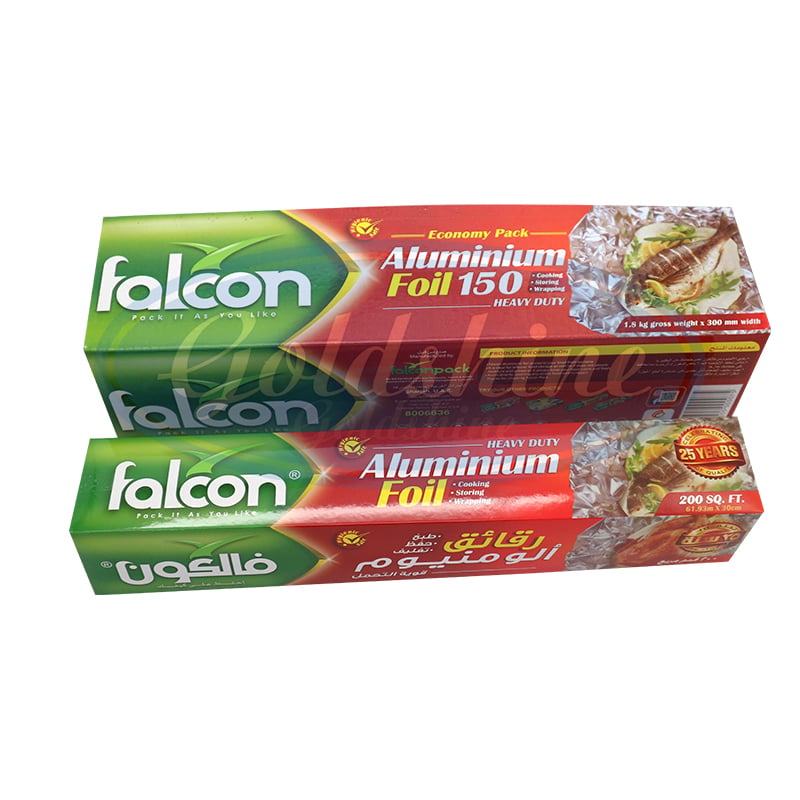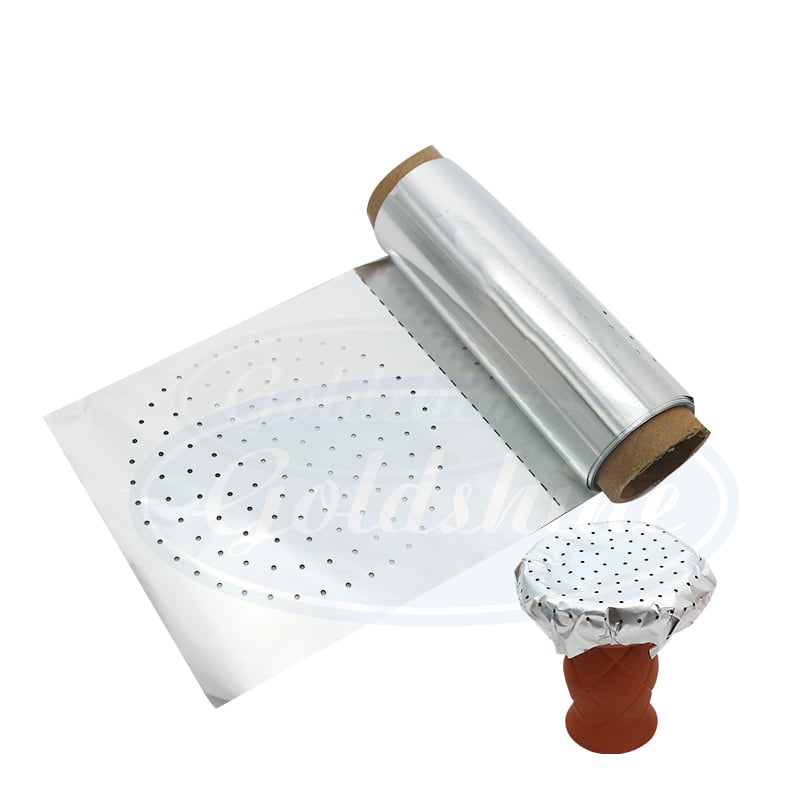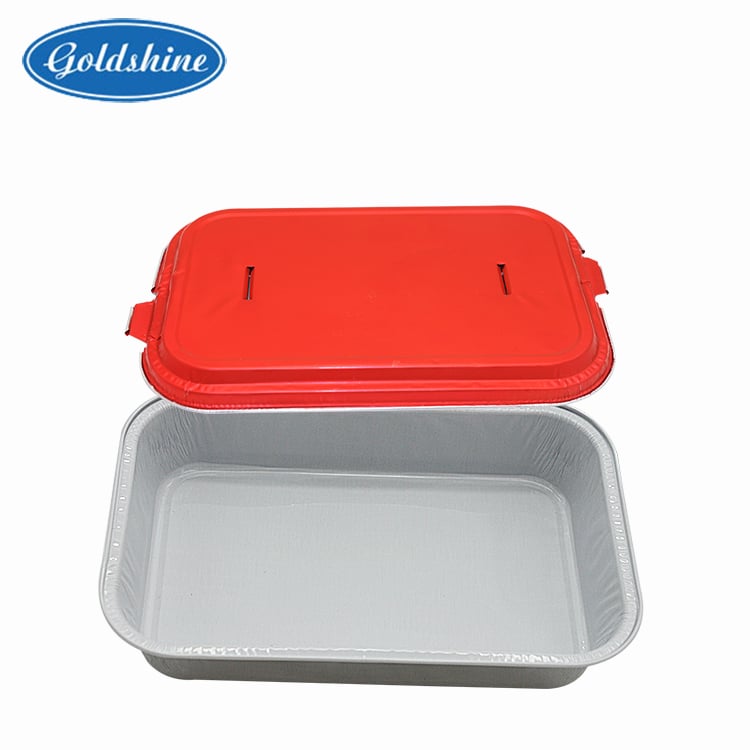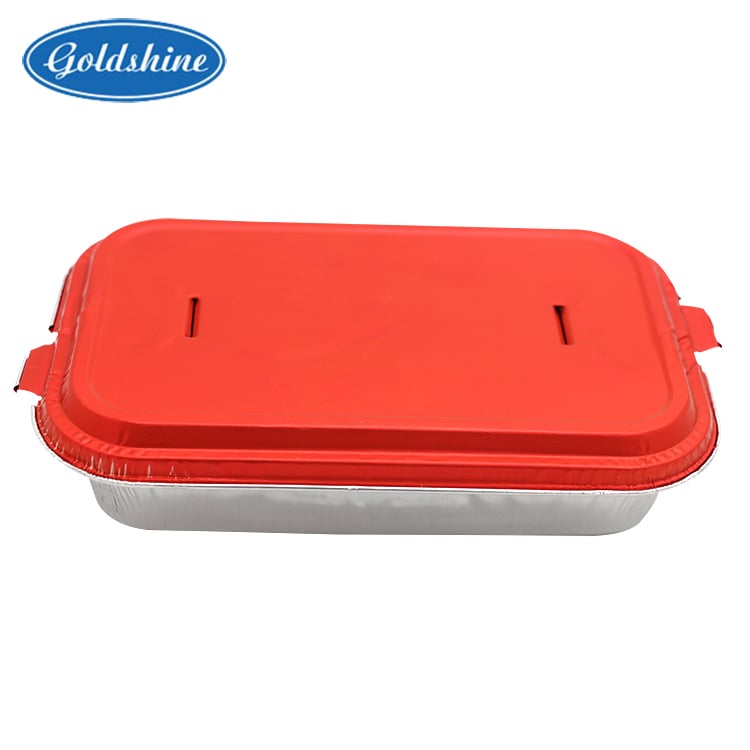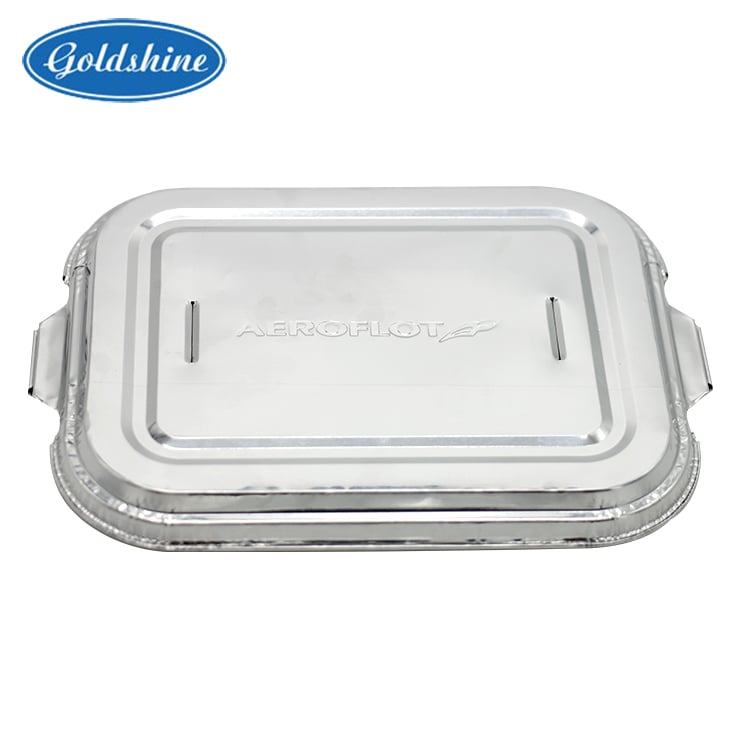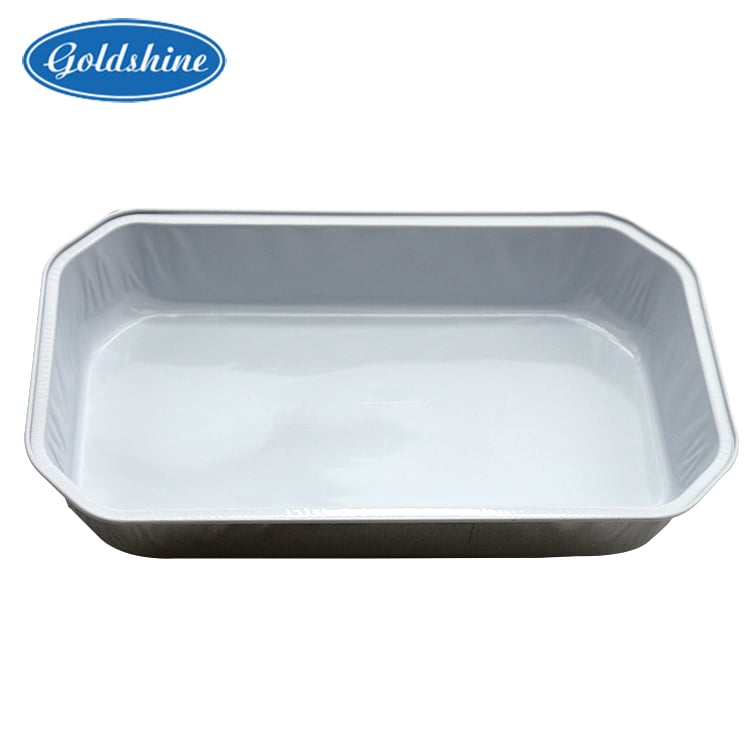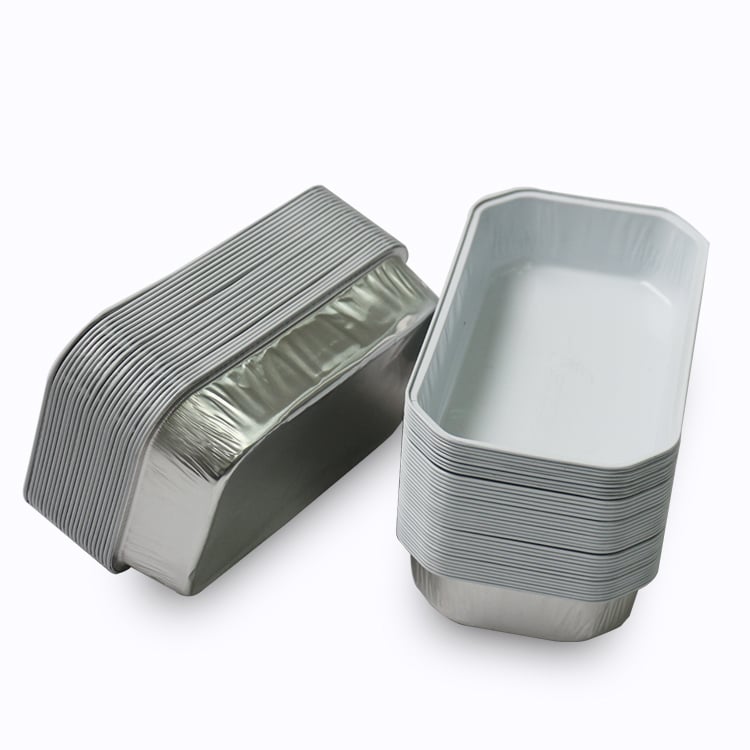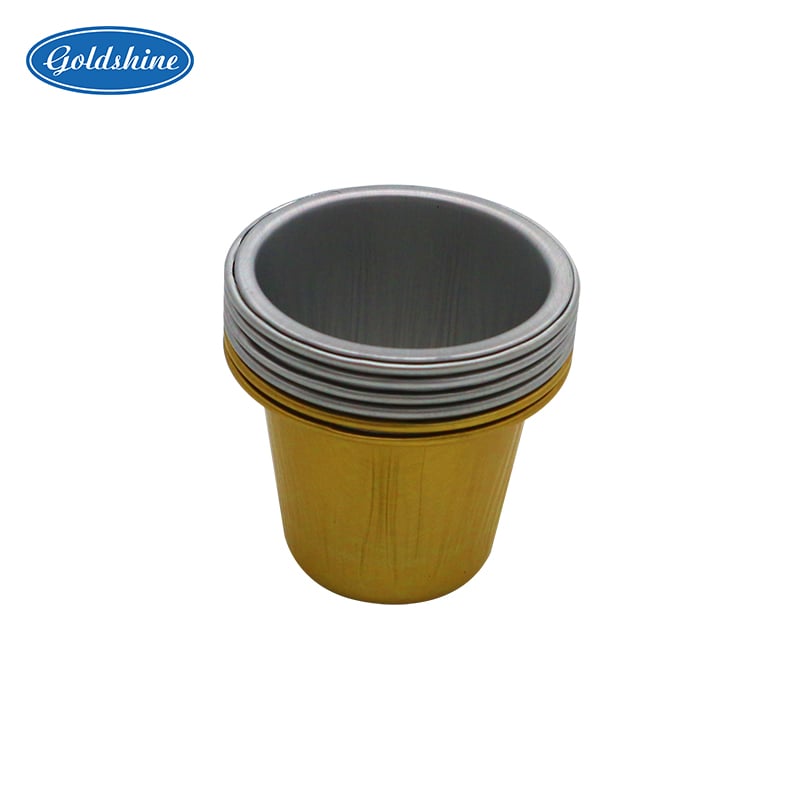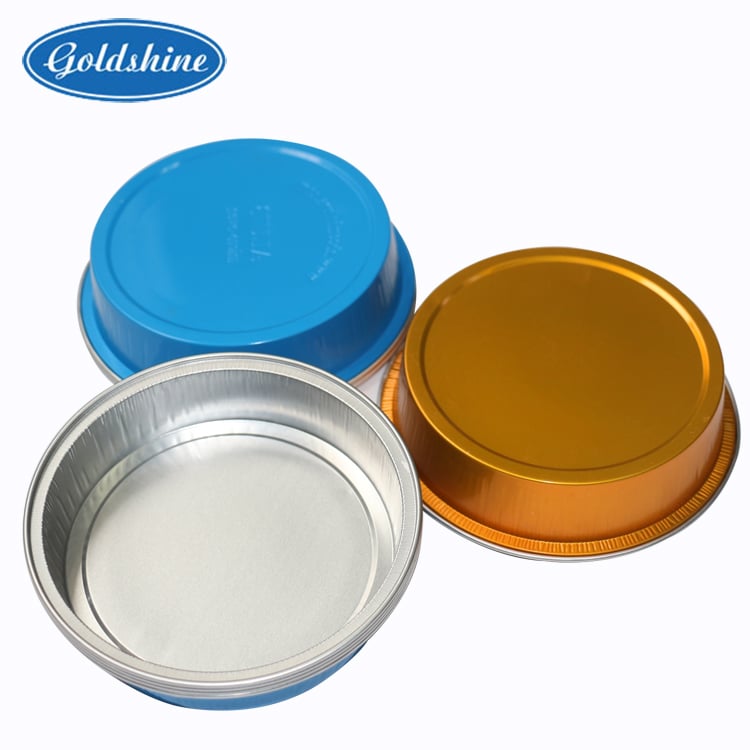
Aluminum boxes for food are essential containers that offer durability and safety for various food storage needs. They are widely used in the food industry due to their lightweight nature, resistance to corrosion, and ability to maintain food freshness. As a B2B buyer, you may have concerns about quality, specifications, and application suitability when sourcing these products. This article will provide you with crucial insights into aluminium foil box for food, including their key features, purchasing guidelines, technical specifications, common problems, and applications in the food industry.
Aluminum boxes for food are designed with several key features that enhance their functionality and appeal:
Durability: Aluminum is a robust material that withstands wear and tear, making it ideal for both storage and transportation of food products. It is resistant to rust, which is crucial when storing food in humid environments.
Lightweight: Compared to other materials like steel or glass, aluminum is significantly lighter. This makes it easier to handle, transport, and stack, which is particularly beneficial for businesses that require efficient logistics.
Thermal Conductivity: Aluminum has excellent thermal conductivity, which helps maintain the temperature of stored food. This is especially important for perishable items that need to be kept chilled or heated.
Recyclability: With growing environmental concerns, the recyclability of aluminum is a significant benefit. Aluminum boxes can be recycled multiple times without losing quality, aligning with sustainable practices in the food industry.
Safety Standards: High-quality aluminum boxes for food often adhere to stringent safety regulations and certifications, such as SGS and KOSHER, ensuring that they are safe for direct food contact.
These features make Goldshine aluminium foil lunch box a preferred choice for food storage across various sectors, including restaurants, catering services, and food processing plants.
When purchasing aluminum boxes for food in bulk, consider the following guidelines to ensure a successful procurement process:
Identify Your Needs: Clearly define the dimensions, weight capacity, and intended use of the aluminum boxes. Consider factors like whether they will be used for hot or cold food, and the volume of food you'll be storing.
Request Samples: Before placing a large order, request samples from potential suppliers. This allows you to assess the product's quality, durability, and suitability for your specific application.
Check Certifications: Ensure that the aluminum foil lunch box meet relevant safety standards, such as food-grade certifications. This is vital for compliance with health regulations.
Understand Pricing Structures: Pricing can vary based on factors like material thickness, size, and order quantity. Discuss these elements with suppliers to find a solution that fits your budget while meeting quality requirements.
MOQ and Lead Times: Inquire about the minimum order quantity (MOQ) and lead times for delivery. This is important for planning your inventory and ensuring timely supply.
Customization Options: If you require specific sizes, colors, or branding, discuss customization options with the manufacturer. Many suppliers, including Zhangjiagang Goldshine Aluminum Foil Co., Ltd., offer tailored solutions to meet buyer specifications.
By following these steps, you can make informed decisions that enhance your purchasing experience and ensure you receive quality products.
Understanding the technical specifications of aluminum boxes is crucial for ensuring they meet your operational needs. Key specifications to consider include:
Material Thickness: The thickness of the aluminum affects the box's strength and insulation properties. Thicker materials provide better durability but may increase weight.
Dimensions: Standard sizes are available, but custom dimensions can be requested. It's vital to ensure the boxes fit your storage space and meet your handling requirements.
Sealing Mechanisms: Consider whether the boxes have airtight seals or lids, as this impacts food preservation and shelf life. Proper sealing is essential for preventing contamination and moisture ingress.
Weight Capacity: Check the manufacturer's recommendations regarding load limits. This is particularly important for businesses that handle heavy food items.
Surface Treatment: Some aluminum boxes feature anodized or coated surfaces, enhancing their resistance to corrosion and improving their aesthetic appeal.
Compliance Standards: Verify compliance with local and international food safety standards, which can affect your ability to use these boxes in specific markets.
These specifications help ensure that the aluminum boxes you select will perform effectively in your intended application.
While aluminum boxes for food are generally reliable, they can present challenges. Here are some common issues and their solutions:
Corrosion: Although aluminum is resistant to rust, it can corrode if exposed to acidic foods or improper cleaning methods. Solution: Ensure that the boxes are properly cleaned and dried after use. Avoid storing acidic foods for extended periods.
Deformation: Lightweight aluminum boxes can become deformed if subjected to excessive weight or impact. Solution: Train staff on proper handling procedures and avoid overloading boxes during transport.
Odor Retention: Some aluminum boxes might retain odors from strong-smelling foods. Solution: Regularly clean the boxes with appropriate food-safe cleaners and allow them to air out.
Insufficient Sealing: Poorly fitting lids can lead to leakage or contamination. Solution: Regularly check the integrity of seals and lids, and replace any defective components.
By addressing these issues proactively, buyers can maintain the integrity and usability of aluminum boxes for food.
Aluminum foil itself is non-toxic and odorless, and complies with strict food safety and pharmaceutical packaging standards. When it comes into direct contact with various kinds of food and pharmaceuticals, it will not release harmful substances, thus providing a safe and reliable packaging environment for the products. Whether in the process of high-temperature sterilization or during long-term storage, aluminum foil can adhere to the safety bottom line and become an important safeguard for protecting consumers' health.
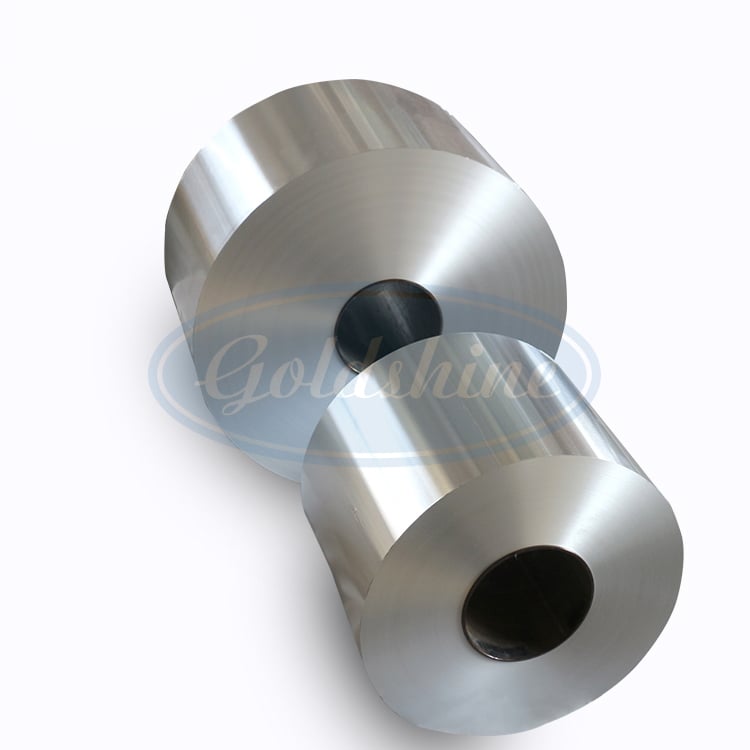
Aluminum foil has an extremely strong barrier ability against oxygen, water vapor, light rays and so on. In terms of food packaging, it can effectively prevent food from oxidizing, deteriorating, getting damp, and losing nutritional components or changing in flavor due to the influence of light.Aluminum foil can conduct heat rapidly and is widely used in cooking utensils. For example, aluminum foil paper used in baking can make food heated evenly, speed up the cooking process, and at the same time, it can also prevent food from getting burnt and sticking to the baking pan, which makes cleaning convenient.
Zhangjiagang Goldshine Aluminum Foil Co., Ltd was established in 2010 and has over 14 years of experience in household aluminum foil production. With a land area exceeding 10,000 square meters, the company boasts a seasoned team in sales, production, quality inspection, research and development, and after-sales service, forming an integrated collaborative system. Our main products include aluminum foil rolls, aluminum foil sheets, aluminum foil containers, baking paper, cling film, aluminum foil rewinding machines, aluminum foil container making machines, aluminum foil packaging machines, and various other diversified products.
Goldshine company has established an efficient response mechanism to ensure that customers can quickly get attention when they encounter problems. Customers can contact our after-sales team at any time through multiple channels, such as telephone, email, online customer service platform and so on. Once we receive customer feedback, we promise to make an initial response within one hour, understand the general situation of the problem, and inform the customers of the action steps we are about to take.
Aluminum boxes for food find versatile applications across various sectors within the food industry:
Catering and Events: These Goldshine boxes are ideal for transporting large quantities of food to events while maintaining temperature. Their lightweight nature simplifies logistics.
Food Processing: In food processing facilities, aluminum boxes serve as storage containers for raw ingredients and finished products, ensuring quality and safety throughout the supply chain.
Restaurants and Cafés: Many establishments use aluminum boxes for meal prep and food storage. Their durability and ease of cleaning make them a practical choice in busy kitchens.
Takeout and Delivery Services: With the rise of food delivery services, aluminum boxes provide a reliable solution for packaging takeaway meals, keeping them warm and fresh during transit.
Storage for Perishable Goods: In cold storage applications, aluminum boxes help maintain the right conditions for perishable items, reducing spoilage and waste.
By understanding these applications, buyers can better determine how aluminum boxes for food can enhance their operations and meet their specific requirements.
Copyright © Zhangjiagang Goldshine Aluminium Foil Co., Ltd. All Rights Reserved