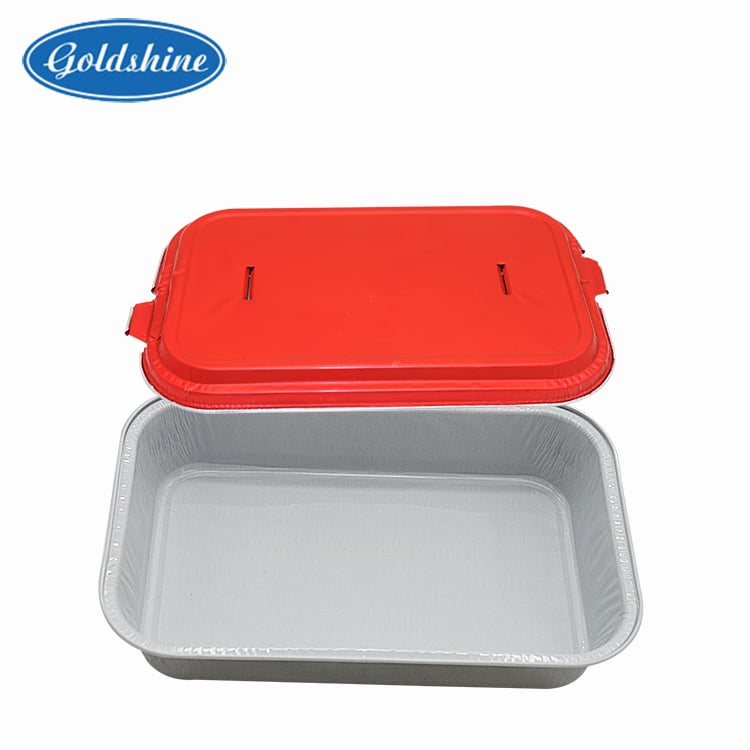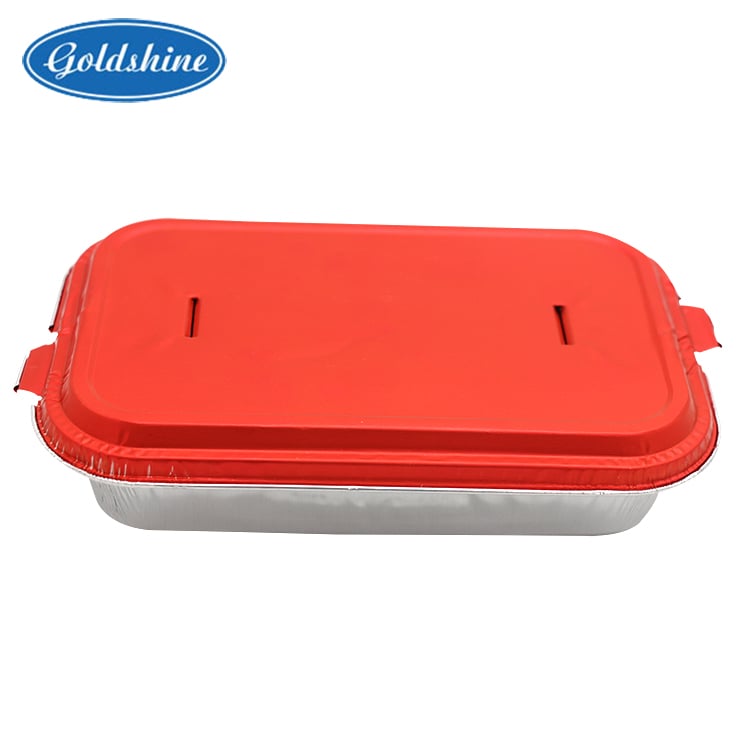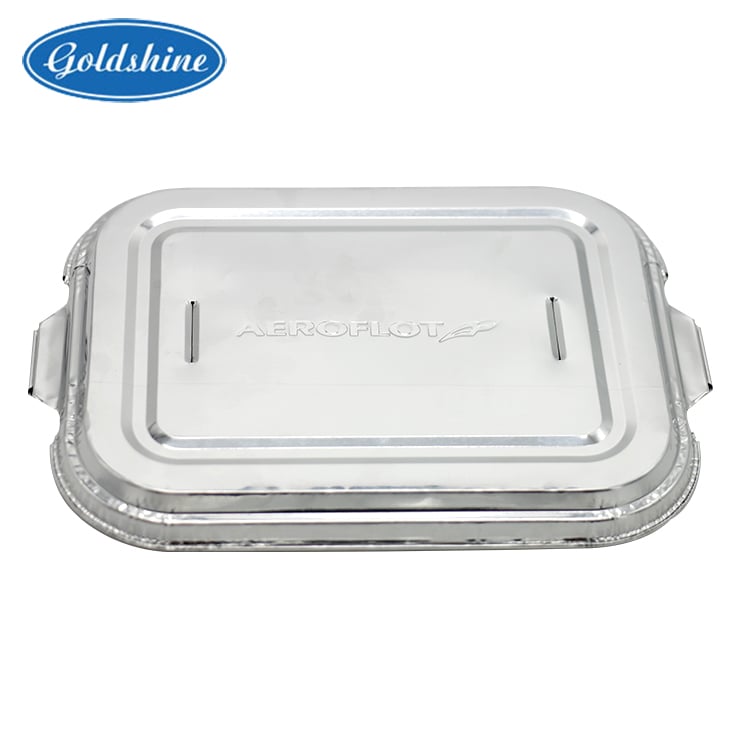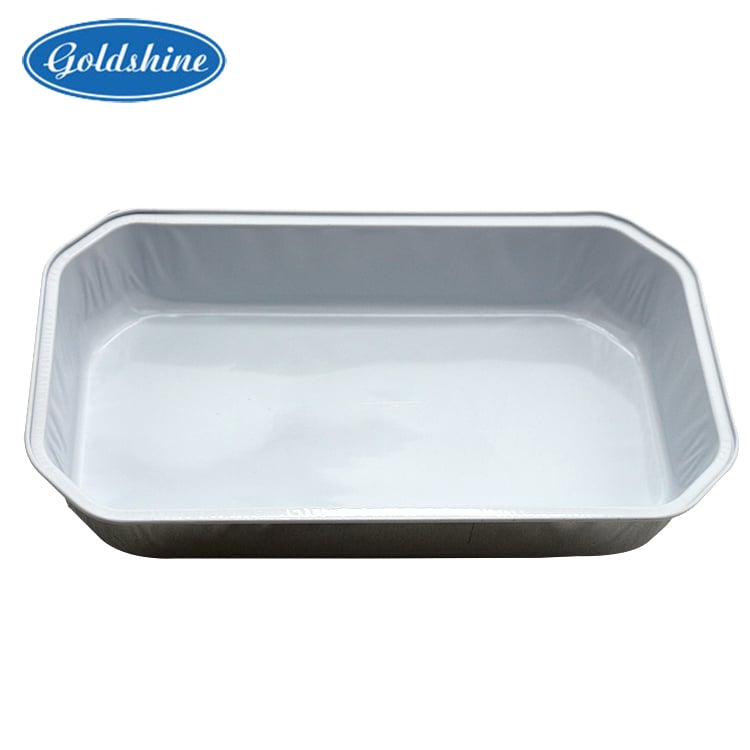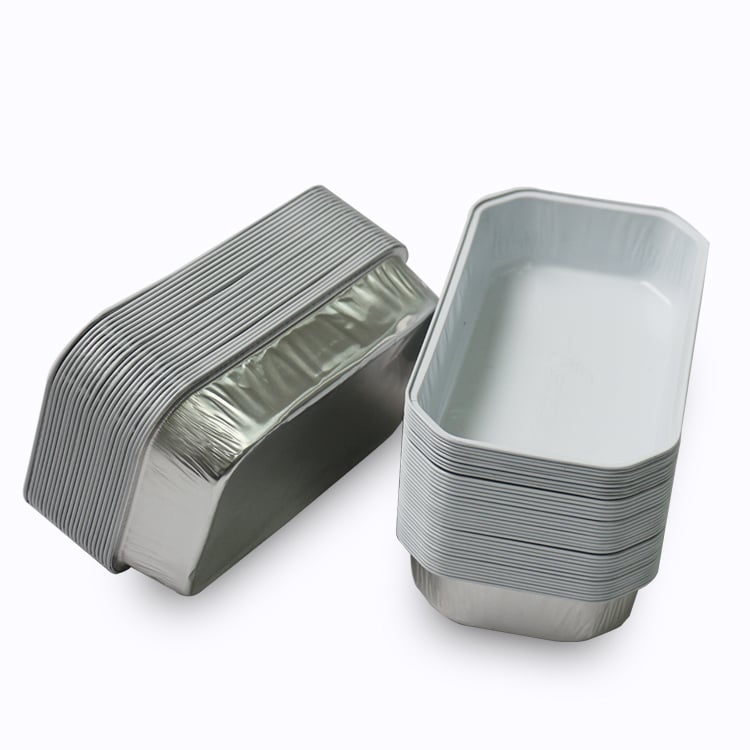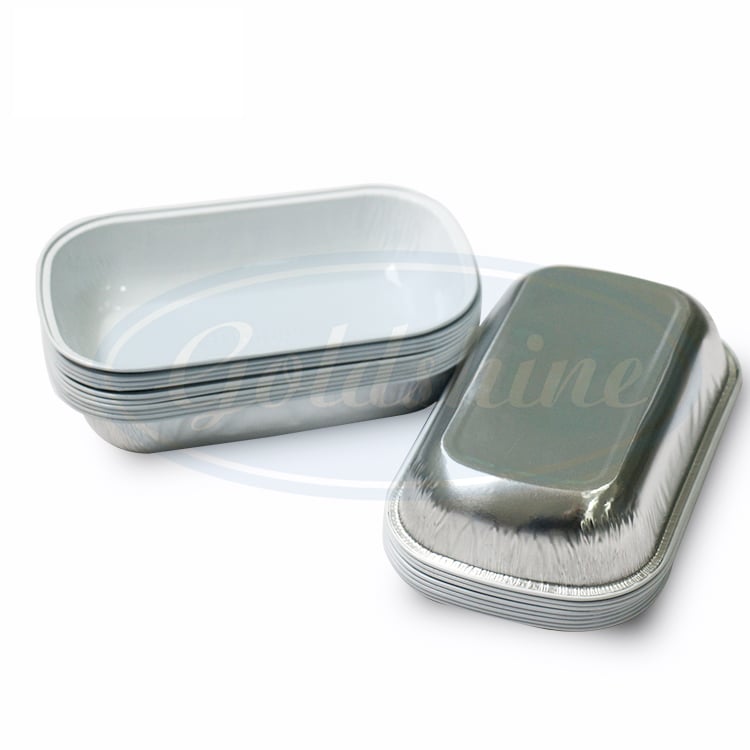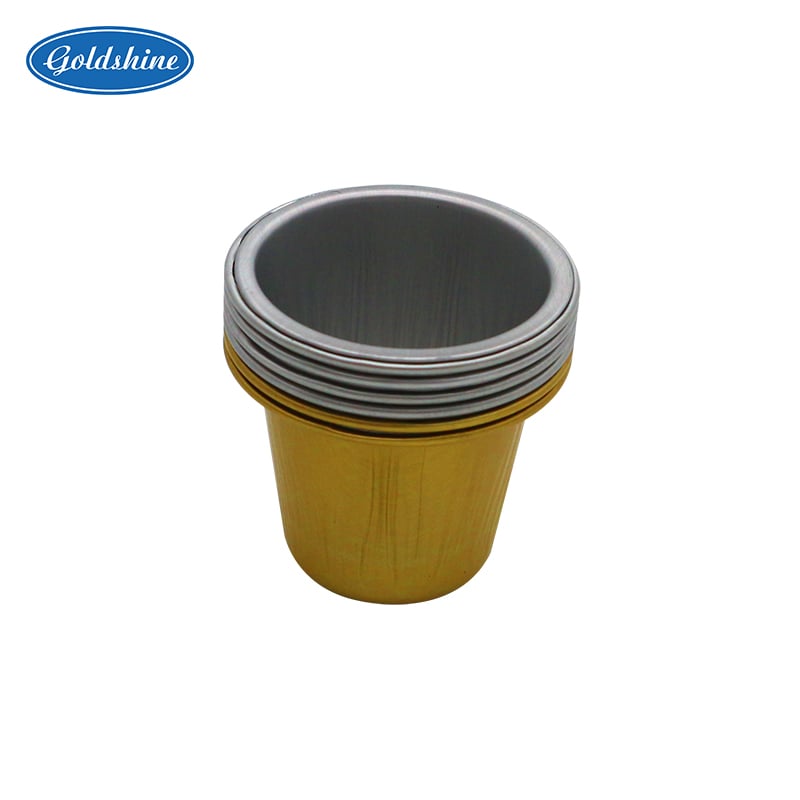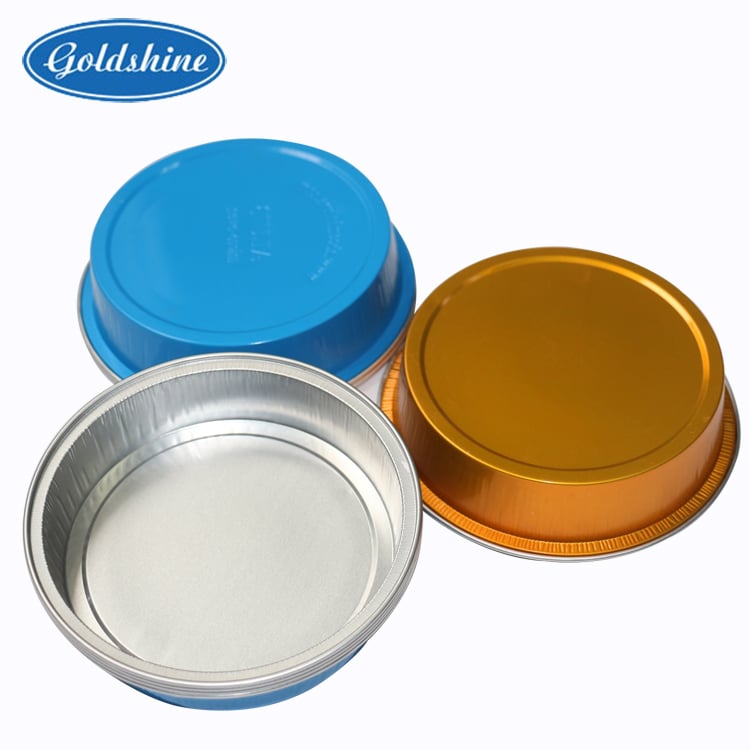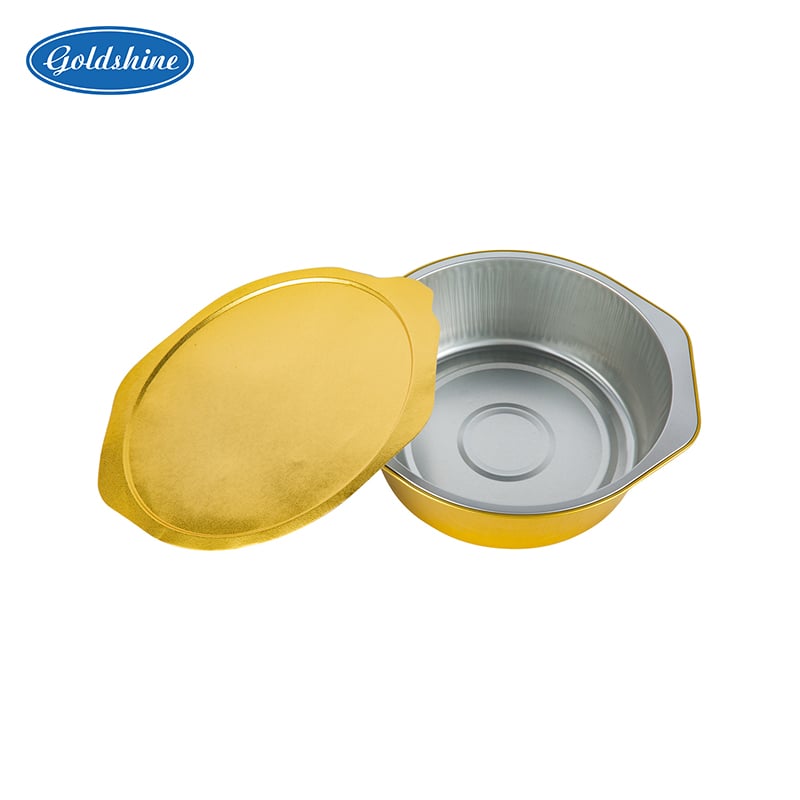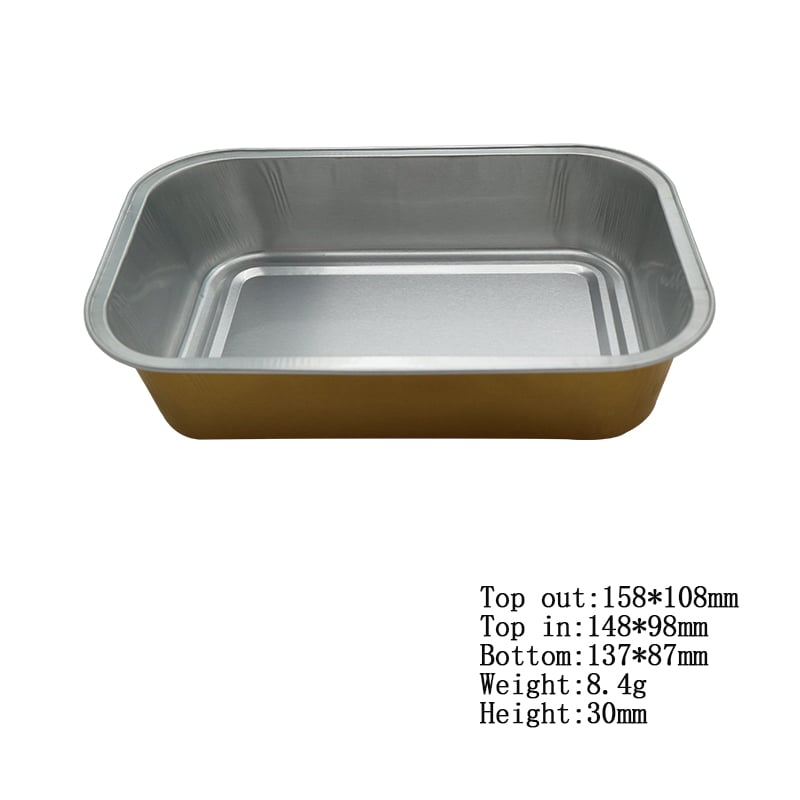
Aluminum containers have become a staple in the food industry due to their lightweight, durable, and recyclable nature. When considering aluminum containers for wholesale, B2B buyers often focus on factors such as quality, compliance with safety standards, and the suitability for specific applications. This article will guide purchasing managers, distributors, and food industry professionals through essential considerations, specifications, applications, and challenges associated with aluminum containers.
When selecting aluminum containers for wholesale, buyers should evaluate several critical factors. Firstly, the intended application significantly influences the choice of container. Consider whether the aluminium foil container making machine will be used for food storage, baking, or cooking, as this impacts material requirements and design features. The thickness and gauge of the aluminum are crucial, as they directly affect durability and heat conductivity. Thicker containers typically offer better performance in high-temperature applications.
Quality certifications are another vital consideration. Ensure that the containers meet industry standards such as SGS, TUV, or BSCI, which confirm their safety and suitability for food contact. Additionally, inquire about the manufacturer’s quality control processes. A reliable supplier, such as Zhangjiagang Goldshine Aluminum Foil Co., Ltd., emphasizes stringent quality checks throughout their production process, ensuring product consistency and reliability.
Lastly, consider customization options. Packaging designs tailored to specific branding or functional requirements can enhance marketability and user experience. Discussing these needs with suppliers can lead to solutions that stand out in a competitive market.
Understanding the key specifications of Goldshine aluminum containers is crucial for making informed bulk purchases. Important specifications include:
Material Thickness: This affects strength and thermal conductivity. A typical thickness range is between 0.030 inches to 0.060 inches, depending on the application.
Dimensions: Standard sizes might vary, but common dimensions include containers that hold 1 to 5 liters. Custom sizes can be requested based on specific needs.
Sealing Type: Options include snap-on lids, fold-over flaps, or heat-sealed lids. The sealing method should align with the intended use, especially for preserving freshness.
Surface Treatment: Anodized or non-stick coatings can be beneficial for baking applications, as they enhance release properties and ease cleaning.
Before finalizing an order, buyers should confirm these specifications to ensure that the containers meet their operational requirements and standards.
Aluminum containers are widely used in various applications within the food industry. Their lightweight and heat-conductive properties make them ideal for baking and cooking. They are commonly used in:
Baking: Aluminum bakeware, such as cake pans and muffin trays, provides excellent heat distribution, leading to uniform baking results.
Food Storage: Containers designed for food preservation can extend shelf life due to their barrier properties, protecting contents from moisture and oxygen.
Takeout and Catering: Their durability and lightweight nature allow for easy transport, making them a preferred choice for restaurants and catering services.
Understanding these applications helps buyers select the right type of aluminum container making machine that meets their specific operational needs.
While aluminum containers offer numerous benefits, they also come with challenges that buyers should be aware of. One common issue is the risk of corrosion, especially when exposed to acidic foods. To mitigate this, ensure that the aluminum containers have appropriate coatings or are specifically designed for acidic food contact.
Another challenge is the potential for deformation under high heat. Buyers should consider the container’s gauge and structure to ensure it can withstand the required temperatures without warping. Testing samples under real operating conditions before mass production can provide valuable insights into their performance.
Additionally, maintain clear communication with suppliers regarding packaging and shipping requirements. Improper handling can lead to damage or bending, which may affect the container's usability. Ensuring that suppliers have robust packaging solutions for transport can prevent these issues.
Aluminum foil itself is non-toxic and odorless, and complies with strict food safety and pharmaceutical packaging standards. When it comes into direct contact with various kinds of food and pharmaceuticals, it will not release harmful substances, thus providing a safe and reliable packaging environment for the products. Whether in the process of high-temperature sterilization or during long-term storage, aluminum foil can adhere to the safety bottom line and become an important safeguard for protecting consumers' health.
Goldshine company has established an efficient response mechanism to ensure that customers can quickly get attention when they encounter problems. Customers can contact our after-sales team at any time through multiple channels, such as telephone, email, online customer service platform and so on. Once we receive customer feedback, we promise to make an initial response within one hour, understand the general situation of the problem, and inform the customers of the action steps we are about to take.
Zhangjiagang Goldshine Aluminum Foil Co., Ltd was established in 2010 and has over 14 years of experience in household aluminum foil production. With a land area exceeding 10,000 square meters, the company boasts a seasoned team in sales, production, quality inspection, research and development, and after-sales service, forming an integrated collaborative system. Our main products include aluminum foil rolls, aluminum foil sheets, aluminum foil containers, baking paper, cling film, aluminum foil rewinding machines, aluminum foil container making machines, aluminum foil packaging machines, and various other diversified products.
Aluminum foil has an extremely strong barrier ability against oxygen, water vapor, light rays and so on. In terms of food packaging, it can effectively prevent food from oxidizing, deteriorating, getting damp, and losing nutritional components or changing in flavor due to the influence of light.Aluminum foil can conduct heat rapidly and is widely used in cooking utensils. For example, aluminum foil paper used in baking can make food heated evenly, speed up the cooking process, and at the same time, it can also prevent food from getting burnt and sticking to the baking pan, which makes cleaning convenient.
When comparing aluminum container options for your business, focus on several key aspects:
Supplier Reputation: Research potential suppliers’ backgrounds, including experience in manufacturing and their quality assurance processes. Companies like Zhangjiagang Goldshine Aluminum Foil Co., Ltd. have established a solid reputation over years of operation, which can provide confidence in their products.
Pricing: Obtain quotes from multiple suppliers to compare costs. Be sure to consider not just the unit price but also the total cost, including shipping and any additional fees for customization.
Lead Times: Confirm production lead times, especially if you have specific deadlines. Reliable suppliers should provide clear timelines for both sample approval and mass production.
Customization Options: Assess the level of customization available. Whether it’s size, design, or branding, the ability to tailor containers to your needs can significantly impact your product appeal.
Quality Assurance: Inquire about the quality control measures implemented by the supplier. A supplier with a robust quality system will ensure that the foil container making machine are consistent, safe, and meet industry standards.
By examining these factors, buyers can make more informed decisions that align with their specific needs and operational goals.
Copyright © Zhangjiagang Goldshine Aluminium Foil Co., Ltd. All Rights Reserved