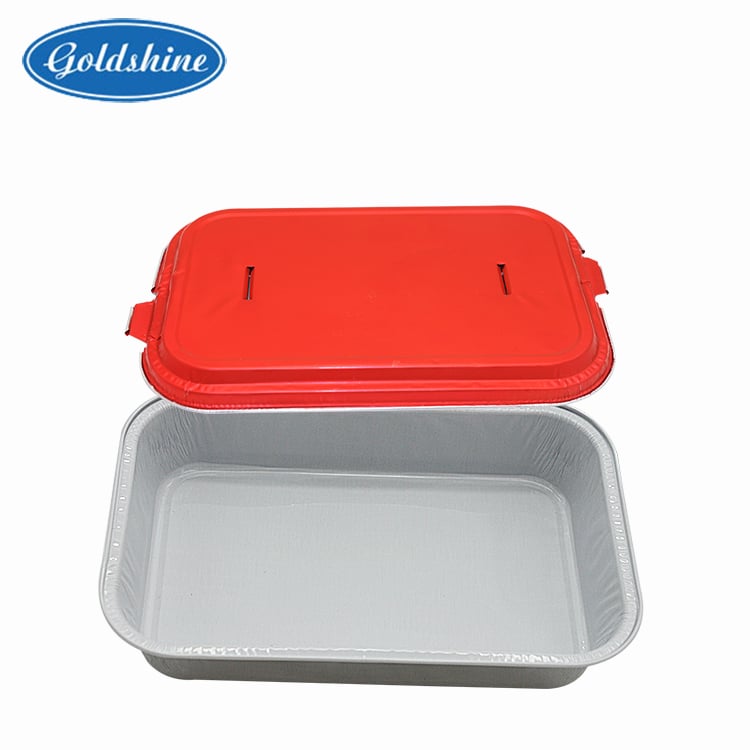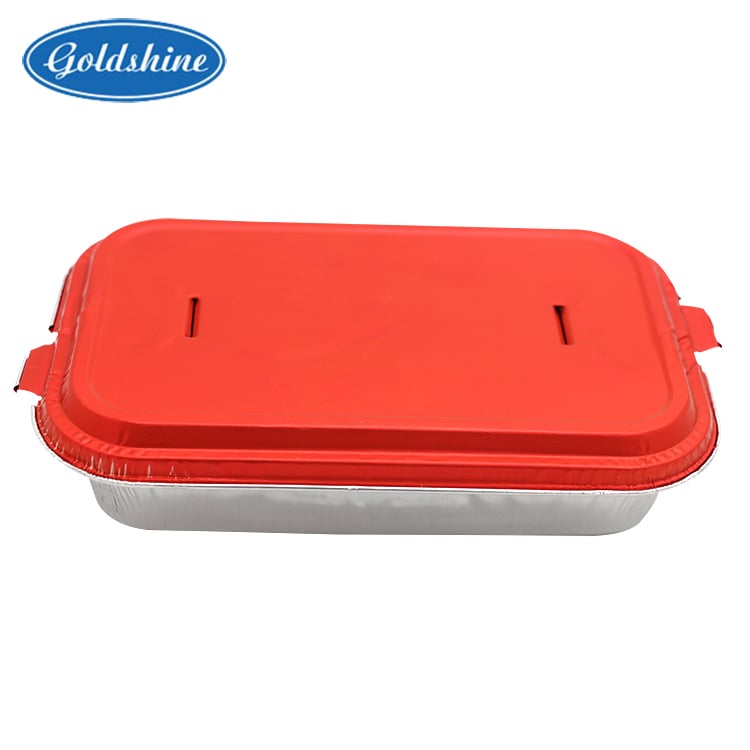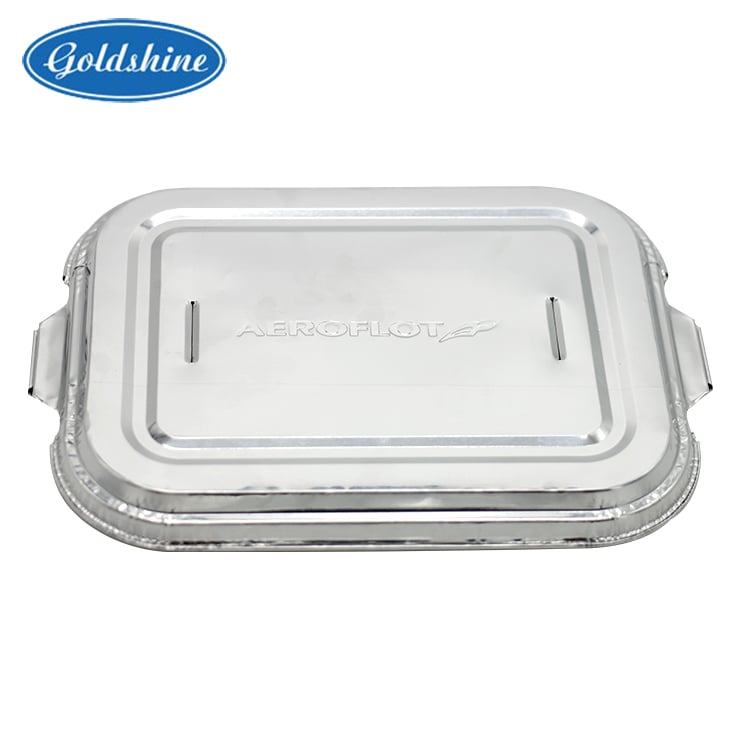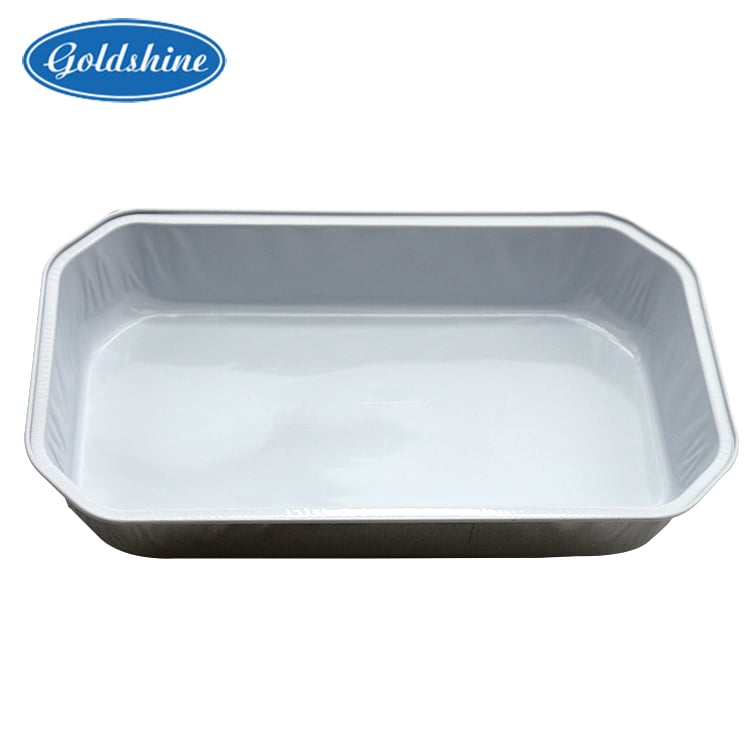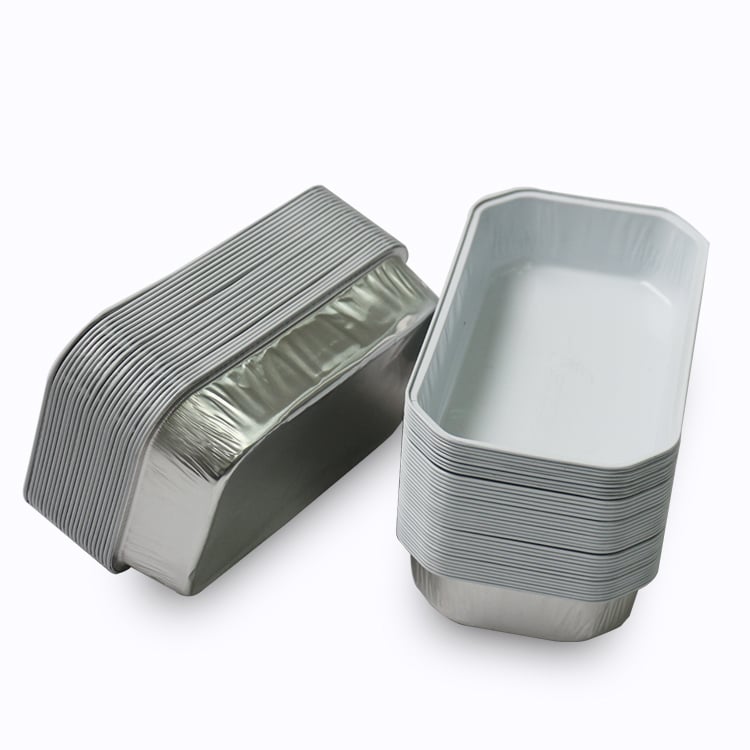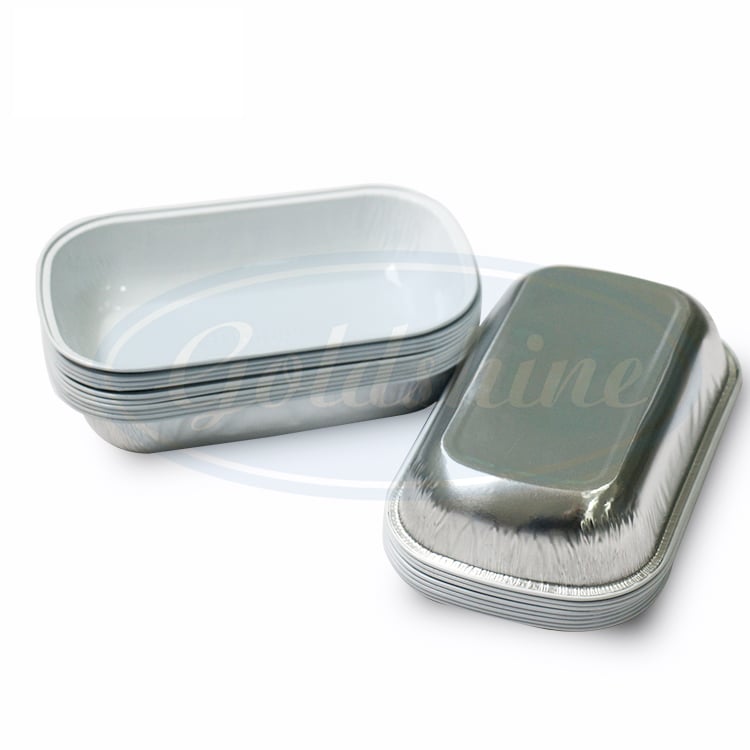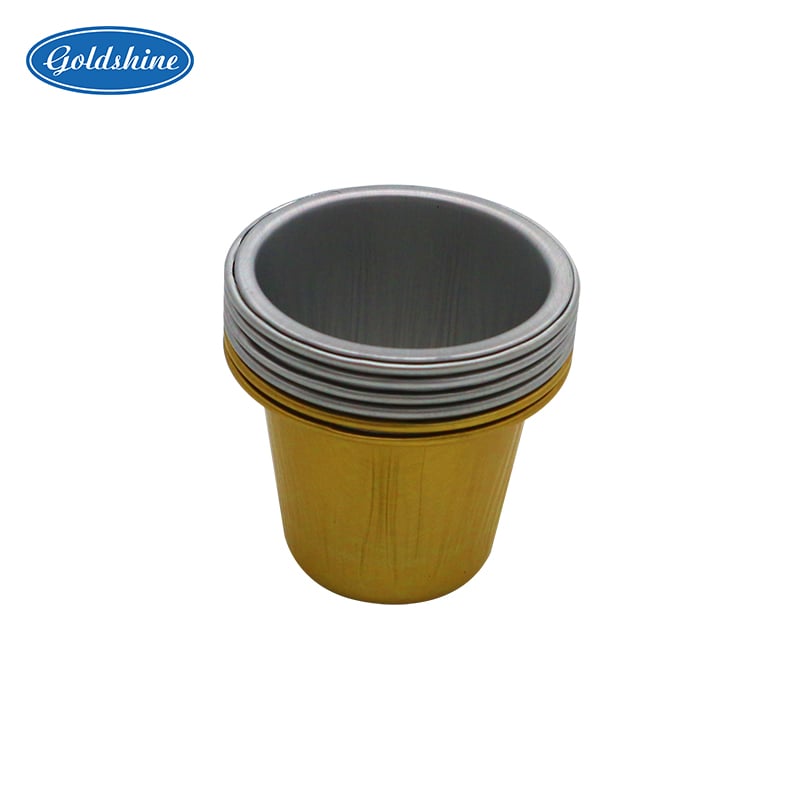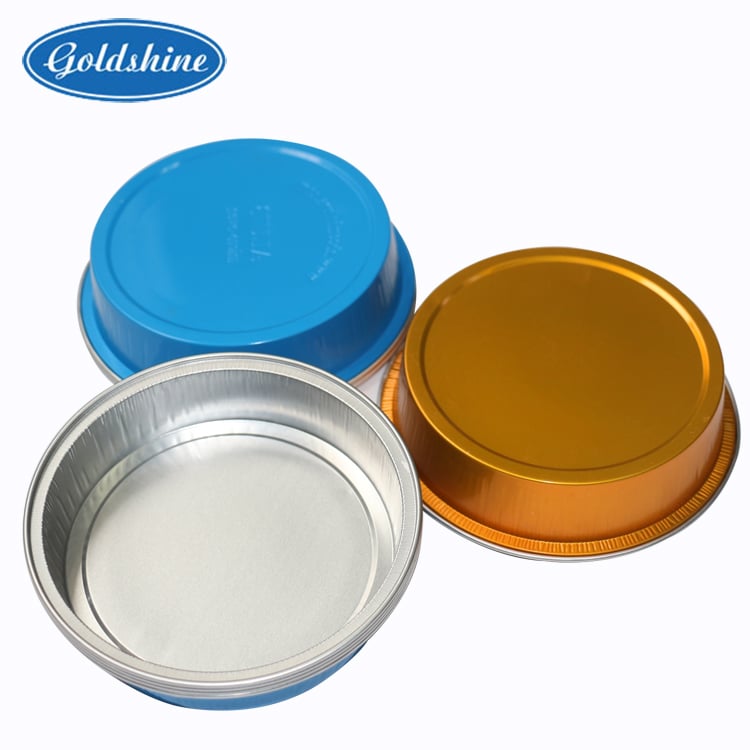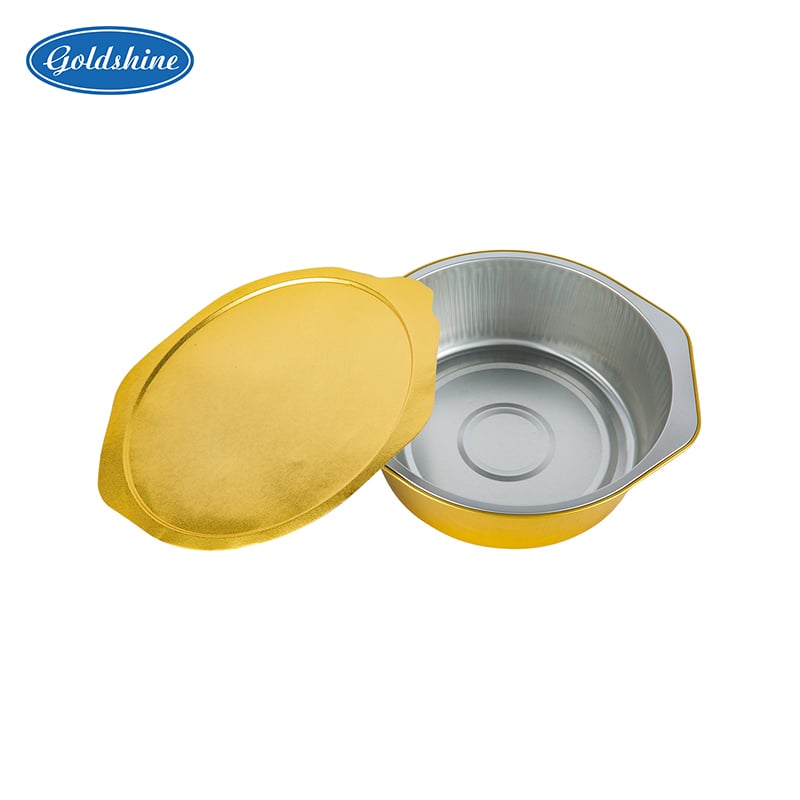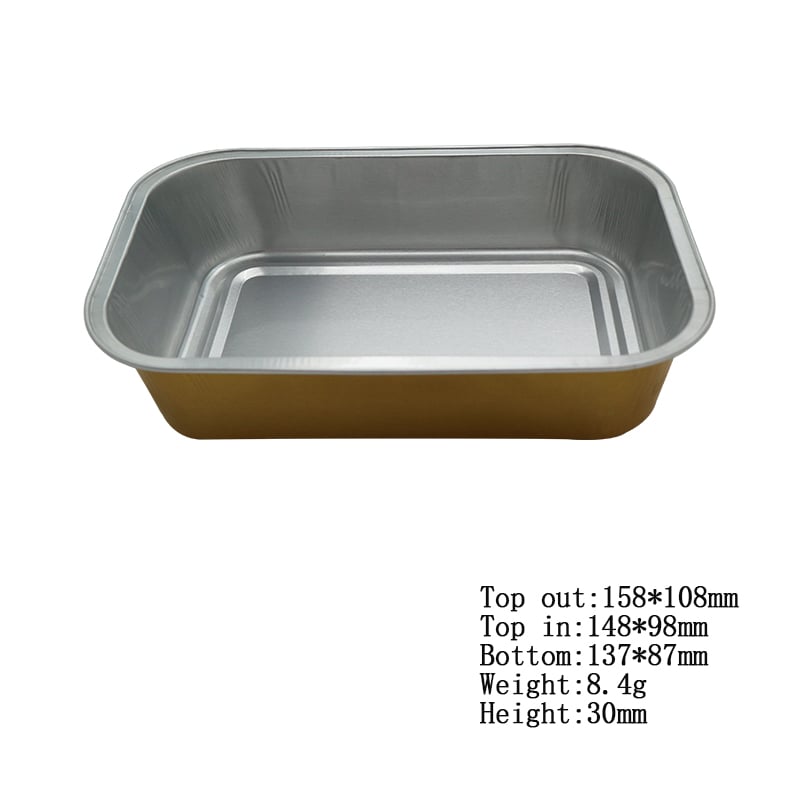
Aluminum disposable containers are versatile, lightweight, and durable packaging solutions widely used in various industries, particularly in food service and catering. For B2B buyers, understanding the specifications, quality evaluation methods, cost factors, applications, and potential issues with aluminum foil food containers is essential for making informed purchasing decisions. This article will guide purchasing managers, distributors, and product managers through these critical aspects, helping them choose the best products for their needs.
When selecting Goldshine aluminum disposable containers, key specifications play a vital role in ensuring the product meets your application needs. These include:
Material Thickness: The thickness of the aluminum impacts the container's durability and insulation properties. Standard thicknesses range from 0.030mm to 0.060mm. Thicker materials provide better structural integrity, which is crucial for heavy or hot contents.
Dimensions: The size of the container should align with your intended use, whether for individual servings or bulk packaging. Common sizes range from small (250ml) to large (5L) containers. Ensure that the dimensions accommodate your food items without compromising quality.
Sealing Capability: Consider whether the containers require lids or sealing mechanisms. Some containers are designed for easy sealing with plastic lids, while others may feature a fold-over design. The sealing method affects food preservation and transportability.
Heat Resistance: Aluminum containers are often used for baking and grilling. Check the temperature tolerance, which can vary from -40°C to 400°C, depending on the specific container type.
Recyclability: Sustainability is increasingly important. Ensure the aluminum used is recyclable, aligning with eco-friendly practices that many businesses are adopting.
Understanding these specifications allows buyers to select aluminum foil containers that not only meet their operational needs but also comply with environmental standards.
Evaluating the quality of aluminum disposable containers involves a multi-faceted approach:
Visual Inspection: Begin with a visual assessment. Look for any visible defects such as dents, cracks, or uneven edges, which can affect sealing and usability.
Certification Verification: Check for compliance with recognized standards such as SGS, TUV, and BSCI. These certifications ensure the products meet safety and quality requirements, which is crucial for food contact materials.
Material Composition: Inquire about the alloy used. High-grade aluminum alloys (such as 3003 and 8011) are preferred for their strength and corrosion resistance. Understanding the alloy composition can help in assessing the container's performance under various conditions.
Sample Testing: Whenever possible, request samples before placing a bulk order. Testing samples under real operational conditions can reveal potential issues with heat resistance, structural integrity, and usability.
Supplier Reputation: Research the supplier’s history and customer reviews. A reputable manufacturer with a track record of quality and customer service can provide added assurance.
By adhering to these evaluation methods, buyers can ensure they choose high-quality aluminum disposable containers that meet their performance expectations.
Understanding the cost factors associated with bulk orders of aluminum disposable containers is essential for effective budgeting:
Material Costs: The price of aluminum fluctuates based on market conditions. Bulk orders can secure lower rates, but it’s wise to monitor market trends to optimize purchasing.
Production Volume: Higher order volumes typically lead to lower unit costs. However, consider your storage capacity and demand to avoid overproduction.
Customization: Custom designs or sizes may incur additional costs. Assess your need for branded containers or specific dimensions against budget constraints.
Shipping and Logistics: Freight costs can significantly impact total expenses. Work with suppliers to negotiate shipping terms or explore local options to minimize costs.
Lead Time: Faster production and delivery may come at a premium. It's crucial to balance the urgency of your needs with budget considerations.
Having a clear understanding of these cost factors will aid buyers in making informed purchasing decisions that align with their financial objectives.
Aluminum disposable containers are utilized across a wide spectrum of industries, each with unique applications:
Food Service: Restaurants and catering services use aluminum containers for meal prep, cooking, and takeout. Their heat resistance and ability to maintain food temperature make them ideal for hot meals.
Baking: Bakeries benefit from aluminum pans for cakes, pies, and pastries. The material conducts heat efficiently, ensuring even baking results.
Medical and Laboratory: In medical settings, aluminum containers are used for transporting samples and specimens due to their lightweight and secure sealing properties.
Retail Packaging: Retailers often use aluminum containers for pre-packaged meals and snacks, offering convenience and a longer shelf-life.
Camping and Outdoor Activities: The lightweight nature of aluminum makes it a go-to choice for outdoor cooking and meal preparation during camping trips.
Understanding these applications helps buyers identify how Goldshine aluminum food containers can fit into their specific operational requirements.
Aluminum foil itself is non-toxic and odorless, and complies with strict food safety and pharmaceutical packaging standards. When it comes into direct contact with various kinds of food and pharmaceuticals, it will not release harmful substances, thus providing a safe and reliable packaging environment for the products. Whether in the process of high-temperature sterilization or during long-term storage, aluminum foil can adhere to the safety bottom line and become an important safeguard for protecting consumers' health.
Zhangjiagang Goldshine Aluminum Foil Co., Ltd was established in 2010 and has over 14 years of experience in household aluminum foil production. With a land area exceeding 10,000 square meters, the company boasts a seasoned team in sales, production, quality inspection, research and development, and after-sales service, forming an integrated collaborative system. Our main products include aluminum foil rolls, aluminum foil sheets, aluminum foil containers, baking paper, cling film, aluminum foil rewinding machines, aluminum foil container making machines, aluminum foil packaging machines, and various other diversified products.
Aluminum foil has an extremely strong barrier ability against oxygen, water vapor, light rays and so on. In terms of food packaging, it can effectively prevent food from oxidizing, deteriorating, getting damp, and losing nutritional components or changing in flavor due to the influence of light.Aluminum foil can conduct heat rapidly and is widely used in cooking utensils. For example, aluminum foil paper used in baking can make food heated evenly, speed up the cooking process, and at the same time, it can also prevent food from getting burnt and sticking to the baking pan, which makes cleaning convenient.
Goldshine company has established an efficient response mechanism to ensure that customers can quickly get attention when they encounter problems. Customers can contact our after-sales team at any time through multiple channels, such as telephone, email, online customer service platform and so on. Once we receive customer feedback, we promise to make an initial response within one hour, understand the general situation of the problem, and inform the customers of the action steps we are about to take.
While Goldshine aluminum disposable containers offer many benefits, buyers may encounter some common issues. Knowing how to address these can enhance usability:
Brittleness: Thin-walled containers can become brittle over time, especially if exposed to extreme temperatures. Ensure proper thickness and avoid freezing if possible.
Leaking: Poor sealing or damaged containers can lead to leaks. Always inspect containers before use and consider double-walling for extra protection in transit.
Corrosion: Prolonged exposure to acidic or alkaline foods can cause corrosion. Choose containers specifically designed for high-acid foods to prevent degradation.
Limited Reusability: While aluminum is recyclable, it's typically not designed for reuse. Educate staff on proper disposal methods to ensure sustainability practices are upheld.
Compatibility with Cooking Methods: Some containers may not be suitable for certain cooking methods (e. g., microwave). Verify that the intended cooking method aligns with the container's specifications.
By anticipating these potential issues and implementing effective solutions, buyers can maximize the benefits of aluminum disposable containers while minimizing operational challenges.
Copyright © Zhangjiagang Goldshine Aluminium Foil Co., Ltd. All Rights Reserved