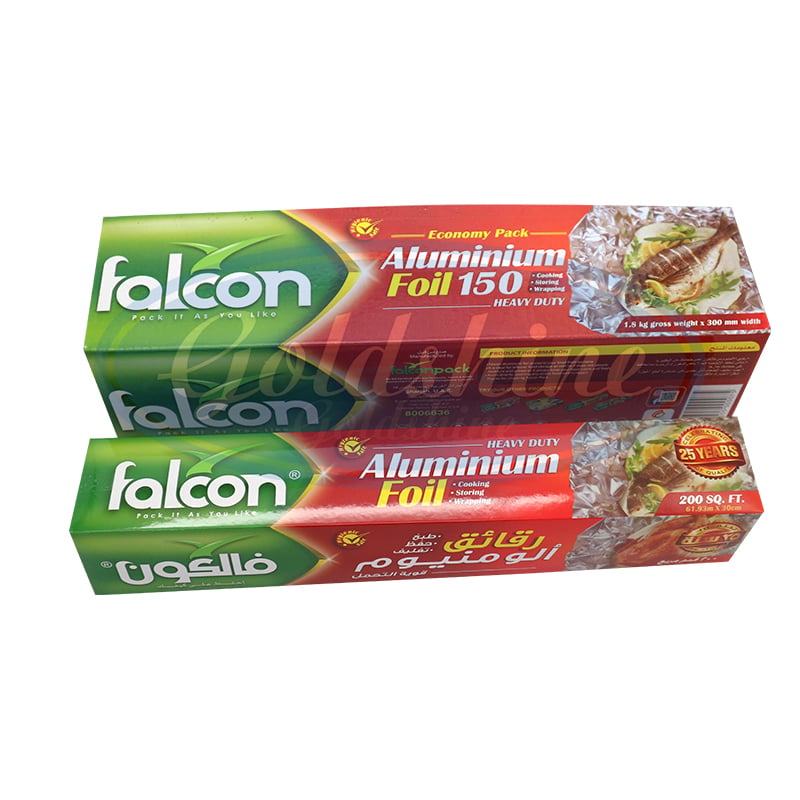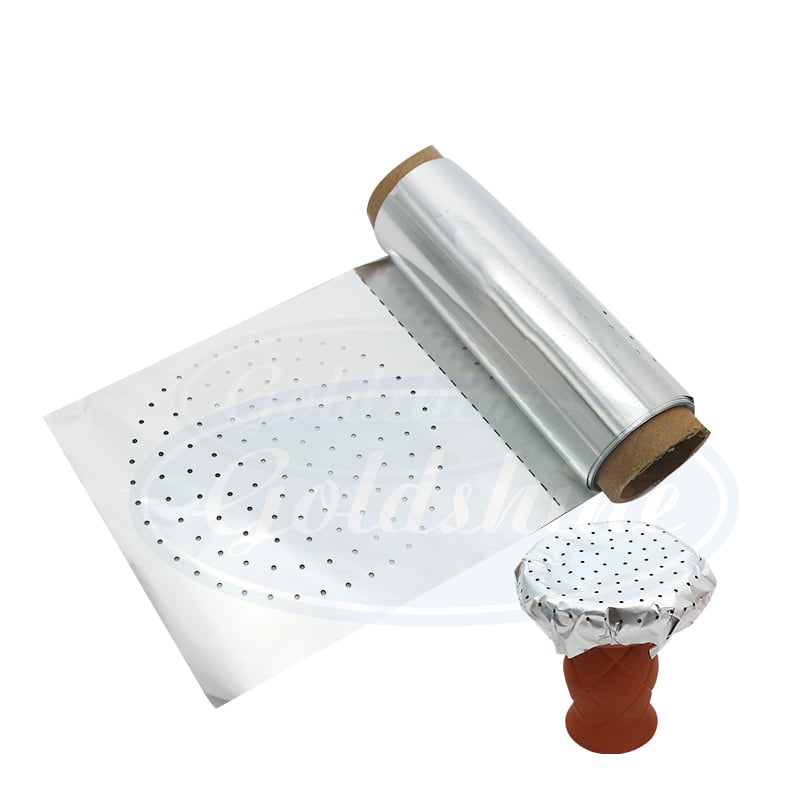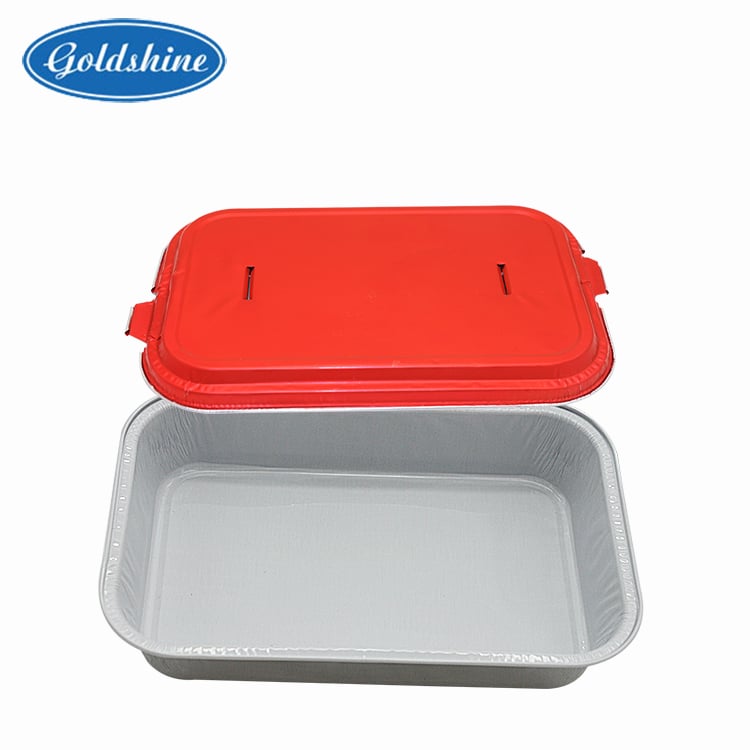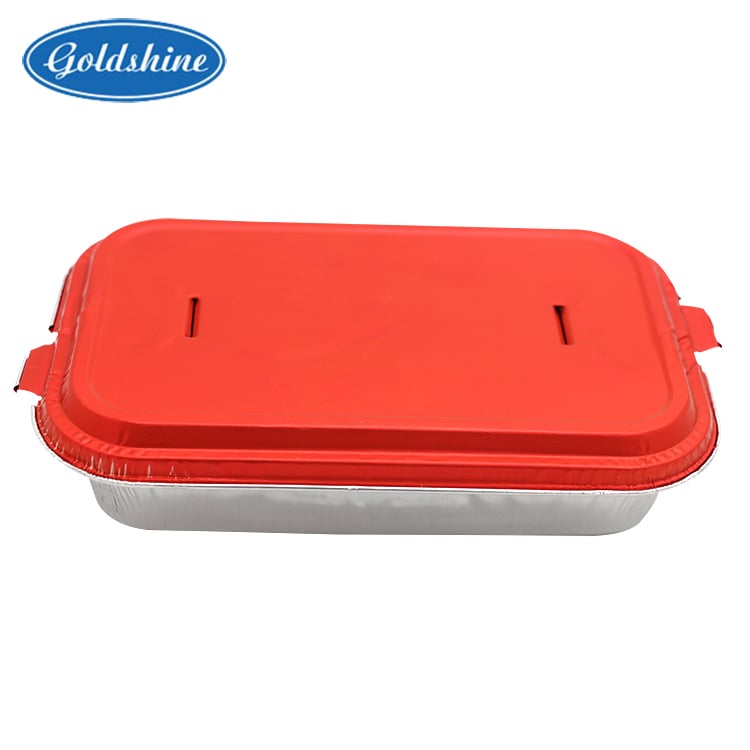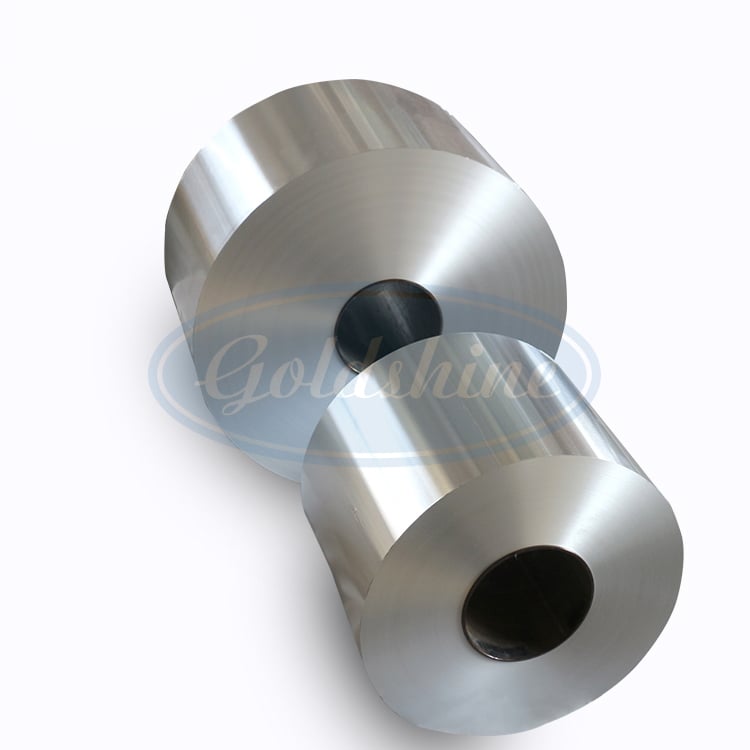
Aluminum foil large rolls are essential products for a variety of industries, particularly in food preparation and preservation. Buyers sourcing these rolls often prioritize quality, durability, and application suitability. This article aims to provide B2B purchasers such as purchasing managers and engineers with practical insights into key specifications, cost factors, installation issues, applications across industries, and the significant benefits of using high-quality aluminum foil roll for food preservation.
When sourcing aluminum foil large rolls, several key specifications should be taken into account to ensure the product meets application requirements. These include thickness, width, and alloy type, which can significantly affect performance.
Thickness: The thickness of aluminum foil is typically measured in microns. A thicker foil will provide better durability and puncture resistance, making it suitable for heavy-duty applications, while thinner foil may be adequate for lighter uses such as wrapping sandwiches. Buyers should evaluate the thickness based on the intended use like cooking, baking, or food preservation.
Width: Aluminum foil rolls come in various widths, generally ranging from 12 inches to 36 inches. It’s crucial to select a width that aligns with the processing equipment or end-user requirements. For instance, industrial applications may require wider rolls to cover larger surfaces.
Alloy Type: Different alloy types (such as 1050, 1100, 1200 series) offer varying levels of strength and flexibility. The selection should depend on the intended application; for example, a softer alloy may be more suitable for applications requiring easy handling and wrapping.
Surface Treatment: Foils can be treated with coatings to enhance properties like non-stick performance or thermal resistance. Buyers should inquire about any additional treatments that may be necessary based on their specific application needs.
Understanding these specifications will help buyers make informed decisions when selecting aluminum foil big roll that align with their operational demands.
Several cost factors influence the pricing of aluminum foil large rolls, and understanding them is critical for B2B buyers looking to optimize their purchasing strategy.
Material Costs: The base material, aluminum, is subject to market fluctuations. Prices may vary based on global supply and demand dynamics. Buyers should consider locking in prices when market conditions are favorable.
Thickness and Quality: Higher thickness and quality standards typically lead to increased costs. It’s important to weigh the benefits of superior quality against the potential for higher expenses, particularly in applications where foil integrity is critical.
Custom Specifications: Customization, such as specific dimensions, alloy types, or surface treatments, can lead to additional costs. Buyers should clearly define their requirements to avoid unexpected charges.
Volume Discounts: Purchasing larger quantities often results in lower per-unit costs. Establishing a long-term relationship with suppliers like Zhangjiagang Goldshine Aluminum Foil Co., Ltd can lead to more favorable pricing through bulk purchase agreements.
Shipping and Handling: Costs related to shipping and logistics can significantly affect the overall price. Buyers should consider sourcing from suppliers with efficient logistics or those located closer to their operational base to reduce transportation costs.
By understanding these cost factors, buyers can better negotiate terms and optimize their budget for aluminum foil large rolls.
Installing aluminum foil, especially in industrial applications, can present challenges that may affect efficiency and product performance. Here are a few common issues and potential solutions:
Wrinkling and Creasing: Poor handling or storage can lead to wrinkles in the foil. To minimize this, ensure that rolls are stored properly and handled with care during installation. Using equipment that maintains tension can also help in achieving a flat application.
Incompatibility with Equipment: Some aluminum foils may not be compatible with specific sealing or packaging machines. Before making a purchase, it is advisable to verify with the supplier that the selected foil is suitable for the intended machinery.
Adhesion Problems: If the foil is used for wrapping or sealing, adhesion can be a concern. It’s essential to choose the right thickness and surface treatment to enhance stickiness. Conducting tests with samples before full-scale implementation can help identify potential issues.
Temperature Resistance: Aluminum foil has varying resistance to temperature, and using the wrong type in high-heat applications can lead to failure. Always check the manufacturer's specifications regarding heat resistance to prevent damage during cooking or baking processes.
Addressing these common installation issues requires proactive measures and collaboration with suppliers to ensure that the foil meets operational needs.
Aluminum foil large rolls are versatile products used across numerous industries, each benefitting from their unique properties. Some primary applications include:
Food Industry: The food sector is the largest consumer of aluminum foil. It is utilized for wrapping, cooking, and preserving food items due to its excellent barrier properties against moisture, light, and oxygen. This makes it ideal for both commercial kitchens and food packaging companies.
Pharmaceuticals: In the pharmaceutical industry, aluminum foil food storage is used for packaging tablets and capsules. Its protective qualities help in safeguarding the integrity and efficacy of medicinal products.
Construction: Aluminum foil is also used in the construction industry as a vapor barrier in insulation and roofing applications. Its reflective properties help in energy conservation by minimizing heat loss.
Electronics: The electronics industry employs aluminum foil for shielding and protecting sensitive components from electromagnetic interference.
Automotive: In the automotive sector, foil is used in insulation and heat shielding applications due to its lightweight and durable nature.
By understanding these applications, buyers can identify the specific types of aluminum foil that will best suit their operational requirements.
Aluminum foil has an extremely strong barrier ability against oxygen, water vapor, light rays and so on. In terms of food packaging, it can effectively prevent food from oxidizing, deteriorating, getting damp, and losing nutritional components or changing in flavor due to the influence of light.Aluminum foil can conduct heat rapidly and is widely used in cooking utensils. For example, aluminum foil paper used in baking can make food heated evenly, speed up the cooking process, and at the same time, it can also prevent food from getting burnt and sticking to the baking pan, which makes cleaning convenient.
Aluminum foil itself is non-toxic and odorless, and complies with strict food safety and pharmaceutical packaging standards. When it comes into direct contact with various kinds of food and pharmaceuticals, it will not release harmful substances, thus providing a safe and reliable packaging environment for the products. Whether in the process of high-temperature sterilization or during long-term storage, aluminum foil can adhere to the safety bottom line and become an important safeguard for protecting consumers' health.
Goldshine company has established an efficient response mechanism to ensure that customers can quickly get attention when they encounter problems. Customers can contact our after-sales team at any time through multiple channels, such as telephone, email, online customer service platform and so on. Once we receive customer feedback, we promise to make an initial response within one hour, understand the general situation of the problem, and inform the customers of the action steps we are about to take.
Zhangjiagang Goldshine Aluminum Foil Co., Ltd was established in 2010 and has over 14 years of experience in household aluminum foil production. With a land area exceeding 10,000 square meters, the company boasts a seasoned team in sales, production, quality inspection, research and development, and after-sales service, forming an integrated collaborative system. Our main products include aluminum foil rolls, aluminum foil sheets, aluminum foil containers, baking paper, cling film, aluminum foil rewinding machines, aluminum foil container making machines, aluminum foil packaging machines, and various other diversified products.
Investing in high-quality aluminum foil large rolls can yield significant benefits, particularly in food preservation applications. Here are some advantages:
Enhanced Freshness: High-quality aluminum foil effectively seals in moisture and prevents air exposure, which helps maintain the freshness of food items for a more extended period. This is crucial for reducing food waste in both commercial and residential settings.
Durability: Premium aluminum foil is less prone to tearing and puncturing, ensuring that it can withstand the rigors of storage and transportation without compromising the integrity of the food it protects.
Temperature Tolerance: High-quality foil can withstand various temperature extremes, making it suitable for both freezing and cooking applications. This versatility is essential for catering businesses and food manufacturers.
Food Safety: Suppliers like Zhangjiagang Goldshine Aluminum Foil Co., Ltd prioritize safety and quality, offering products that are compliant with essential food safety standards such as SGS and KOSHER. This ensures that the foil does not react with food, preserving taste and safety.
Sustainability: With a growing focus on sustainability, high-quality aluminum foil can be recycled, making it an environmentally friendly choice for businesses looking to reduce their carbon footprint.
By recognizing these benefits, buyers can appreciate the value of sourcing high-quality aluminum foil large rolls, ensuring better food preservation and overall operational efficiency.
Copyright © Zhangjiagang Goldshine Aluminium Foil Co., Ltd. All Rights Reserved