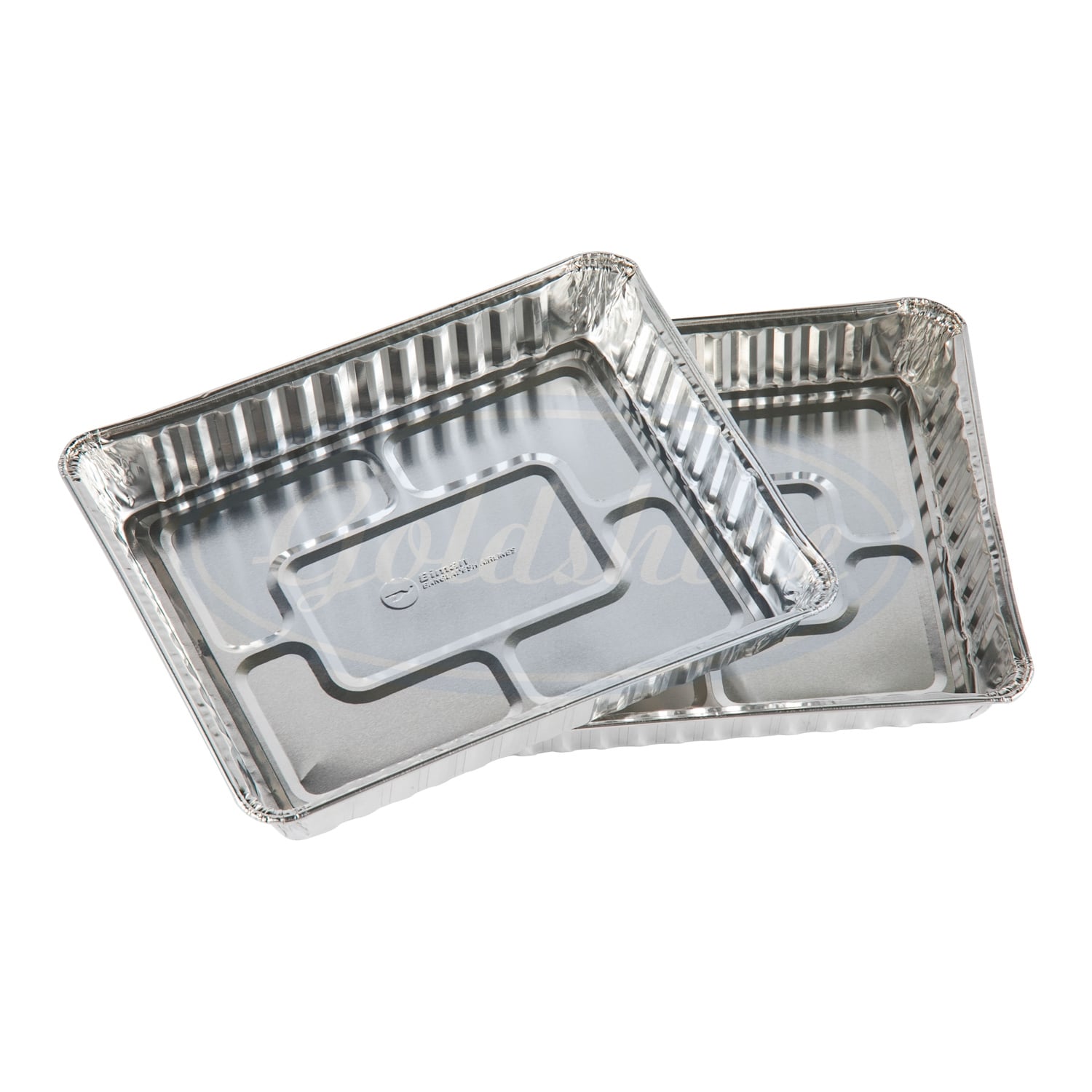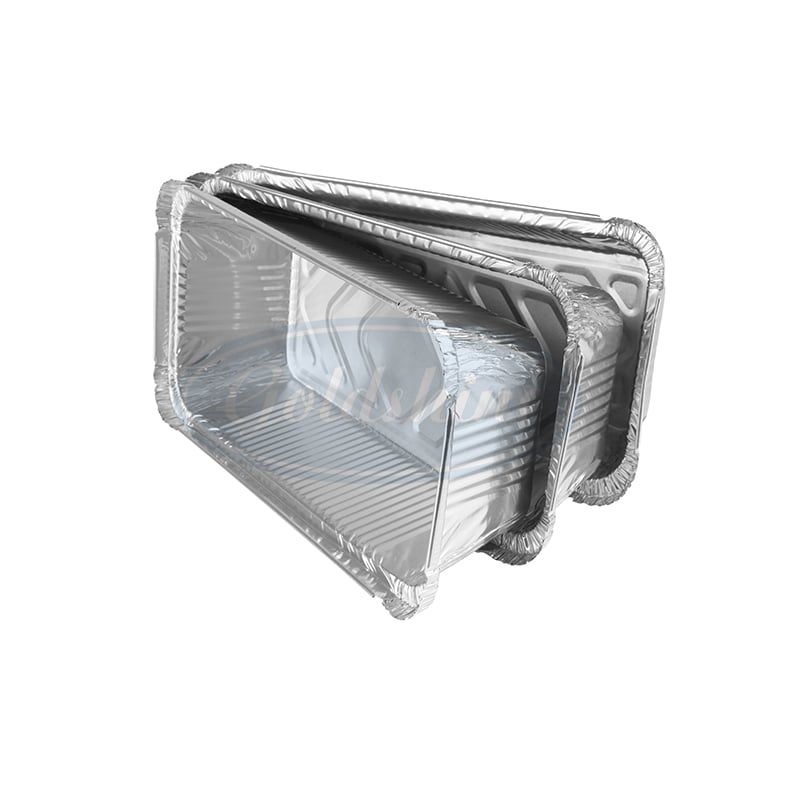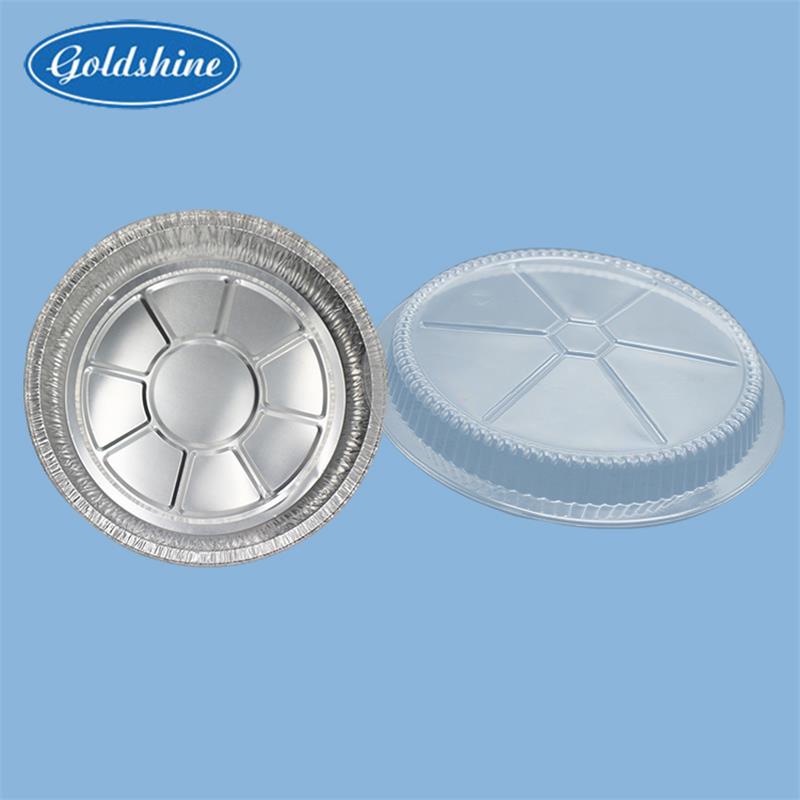
Aluminum food pans are essential tools in commercial kitchens, known for their versatility in cooking, baking, and food storage. As a B2B buyer, your primary concerns likely revolve around product quality, durability, safety, and cost-effectiveness. This article will guide you through the critical considerations for selecting aluminum food pans, evaluating manufacturers, understanding key specifications, and identifying their applications in the food service industry.
When selecting aluminum foil pans for baking for wholesale, several factors should be assessed to ensure they meet your specific needs. First and foremost, consider the intended use—whether for baking, roasting, or storage—as this will dictate the required design and material specifications. Durability is another vital aspect; high-quality aluminum pans should have a robust structure that can withstand high temperatures without warping or melting. Look for pans that are made from heavy-gauge aluminum, as these are less likely to bend or lose shape during cooking. Safety standards must also be prioritized. Ensure that the aluminum food pans are compliant with health regulations and certifications such as SGS, TUV, or BSCI, which indicate adherence to safety and quality standards. These certifications not only assure you of the product's safety for food contact but also reflect the manufacturer's commitment to quality. Lastly, consider the cost-effectiveness of your purchase. Evaluate the price per unit against the expected lifespan and performance of the pans, as investing in higher-quality pans can lead to savings in the long run due to reduced replacement needs.
Choosing the right manufacturer is crucial in ensuring that you receive high-quality aluminum food pans. Start by researching potential suppliers and their production capabilities. Look for manufacturers with a proven track record and experience in the aluminum foil industry, such as Zhangjiagang Goldshine Aluminum Foil Co., Ltd., which leverages 14 years of experience and operates 26 advanced automated lines. Quality control processes should be a major consideration. Manufacturers that implement strict QC measures are more likely to produce reliable products. Inquire about their testing protocols, including how they assess the thickness, safety, and durability of their aluminum pans. Another factor to evaluate is the manufacturer's customization capabilities. If your business requires specific sizes or designs, ensure that the manufacturer can accommodate these needs without compromising on quality. Finally, consider their export capabilities and the regions they supply. A manufacturer with a broad export experience will be better equipped to handle logistics and ensure timely delivery.
When assessing aluminum food pans, several key specifications should be taken into account: Material Thickness: The thickness of the aluminum significantly affects the pan's durability and heat conduction. A thickness of around 0.3mm to 0.5mm is typically ideal for most cooking applications, providing a balance of durability and cost. Dimensions: Standard sizes are available, but custom dimensions can optimize space and fit within your kitchen operations. Verify that the dimensions you require are available or can be customized. Surface Treatment: Some aluminum pans come with a non-stick coating, which can facilitate easier food release and cleaning. However, ensure that any coatings used are food-safe and comply with health regulations. Weight Capacity: Understanding the load capacity is crucial for your specific applications. Ensure the pans can handle the weight of the food items you plan to use them for, especially in bulk cooking scenarios. Sealing and Design Features: Look for pans with reinforced edges that enhance structural integrity and prevent warping. Some designs may also feature lids or covers, which can be beneficial for storage and transport. By carefully evaluating these specifications, you can select aluminum food pans that best suit your operational needs.
When comparing aluminum foil pans for contracting projects, it's vital to assess various factors to ensure you get the best value for your investment. Begin by comparing the specifications outlined earlier, focusing on material quality, thickness, and design features. Additionally, consider the manufacturer’s reputation and customer reviews. Engaging with previous clients can provide insights into product performance and customer service. If possible, request samples to conduct practical tests; this hands-on approach allows you to evaluate the pans under real conditions. Pricing should also be a critical component of your comparison. While it may be tempting to opt for the lowest-priced option, consider the long-term costs associated with durability and performance. A slightly higher initial investment in quality pans can mitigate the risk of replacements and service interruptions. Lastly, consider lead times and delivery capabilities. Ensuring that your supplier can meet your project deadlines is essential for maintaining workflow and efficiency in your operations.
Goldshine company has established an efficient response mechanism to ensure that customers can quickly get attention when they encounter problems. Customers can contact our after-sales team at any time through multiple channels, such as telephone, email, online customer service platform and so on. Once we receive customer feedback, we promise to make an initial response within one hour, understand the general situation of the problem, and inform the customers of the action steps we are about to take.
Aluminum foil itself is non-toxic and odorless, and complies with strict food safety and pharmaceutical packaging standards. When it comes into direct contact with various kinds of food and pharmaceuticals, it will not release harmful substances, thus providing a safe and reliable packaging environment for the products. Whether in the process of high-temperature sterilization or during long-term storage, aluminum foil can adhere to the safety bottom line and become an important safeguard for protecting consumers' health.
Aluminum foil has an extremely strong barrier ability against oxygen, water vapor, light rays and so on. In terms of food packaging, it can effectively prevent food from oxidizing, deteriorating, getting damp, and losing nutritional components or changing in flavor due to the influence of light.Aluminum foil can conduct heat rapidly and is widely used in cooking utensils. For example, aluminum foil paper used in baking can make food heated evenly, speed up the cooking process, and at the same time, it can also prevent food from getting burnt and sticking to the baking pan, which makes cleaning convenient.
Zhangjiagang Goldshine Aluminum Foil Co., Ltd was established in 2010 and has over 14 years of experience in household aluminum foil production. With a land area exceeding 10,000 square meters, the company boasts a seasoned team in sales, production, quality inspection, research and development, and after-sales service, forming an integrated collaborative system. Our main products include aluminum foil rolls, aluminum foil sheets, aluminum foil containers, baking paper, cling film, aluminum foil rewinding machines, aluminum foil container making machines, aluminum foil packaging machines, and various other diversified products.
Aluminum food pans are widely used across various sectors in the food service industry due to their versatility and efficiency. In restaurants, they are ideal for baking, roasting, and serving a variety of dishes, from casseroles to desserts. Their lightweight nature also makes them easy to handle and transport, which is crucial during busy service periods. In catering, disposable aluminum foil pans are favored for their ability to withstand high temperatures and their disposable nature, which simplifies cleanup. They can be used for both hot and cold dishes, making them an excellent choice for buffet setups. Food preservation is another significant application. Aluminum pans can be tightly sealed with lids or cling film to maintain food freshness, making them suitable for storage in refrigerators or freezers. In the healthcare sector, aluminum food pans are used for meal delivery services, as they are easy to handle and can be safely disposed of after use, reducing the risk of contamination. By understanding the diverse applications of aluminum food pans, you can better assess their relevance to your specific business needs and operational requirements.
Copyright © Zhangjiagang Goldshine Aluminium Foil Co., Ltd. All Rights Reserved