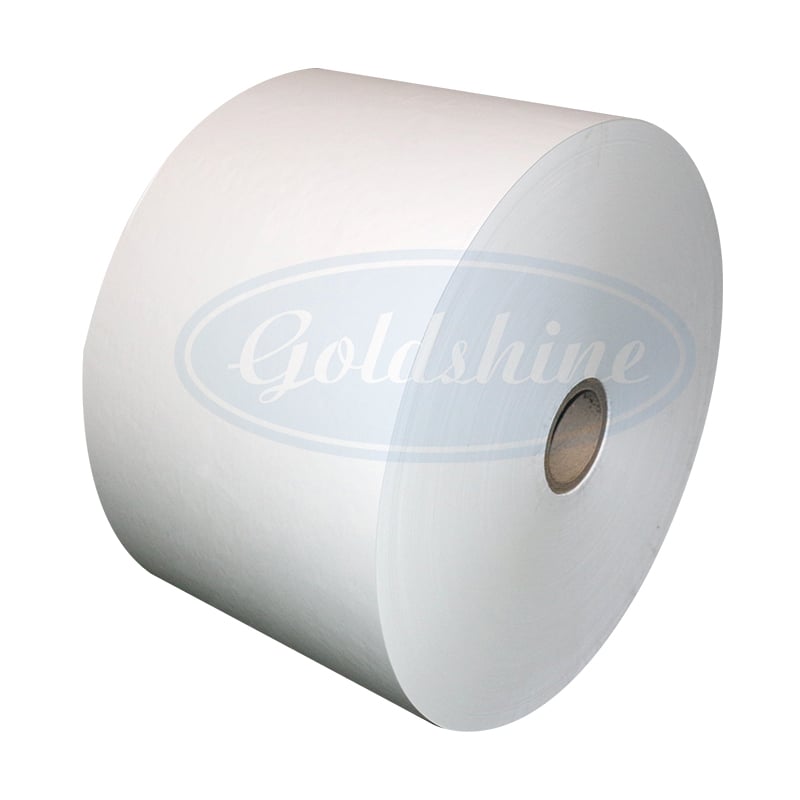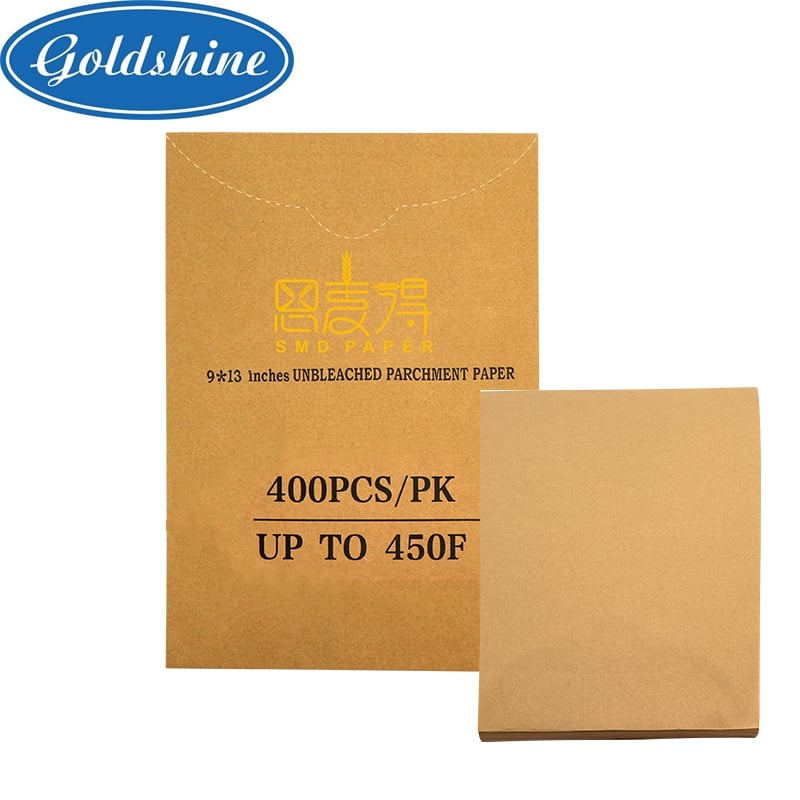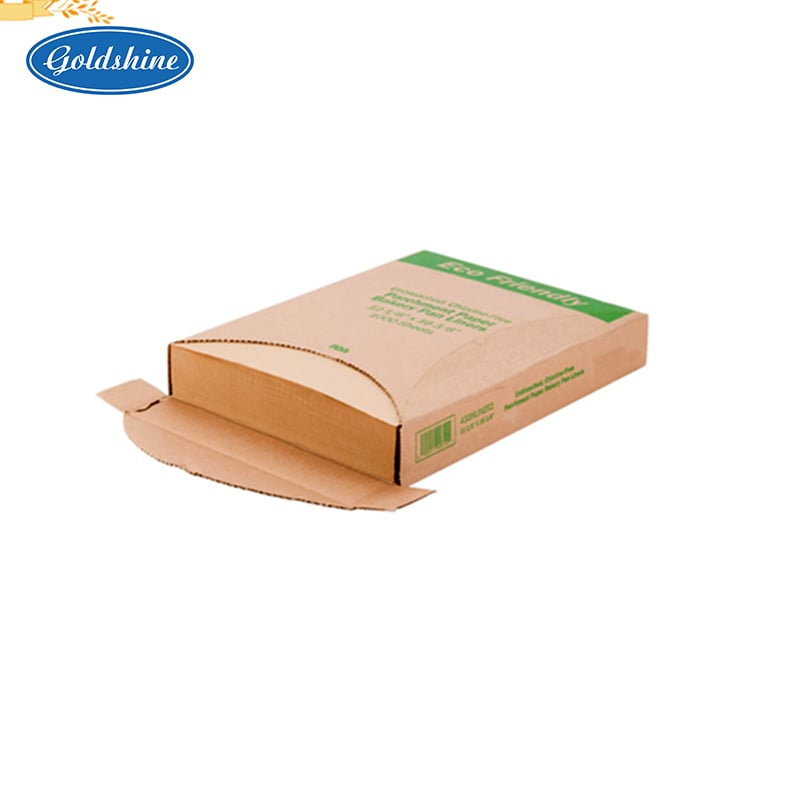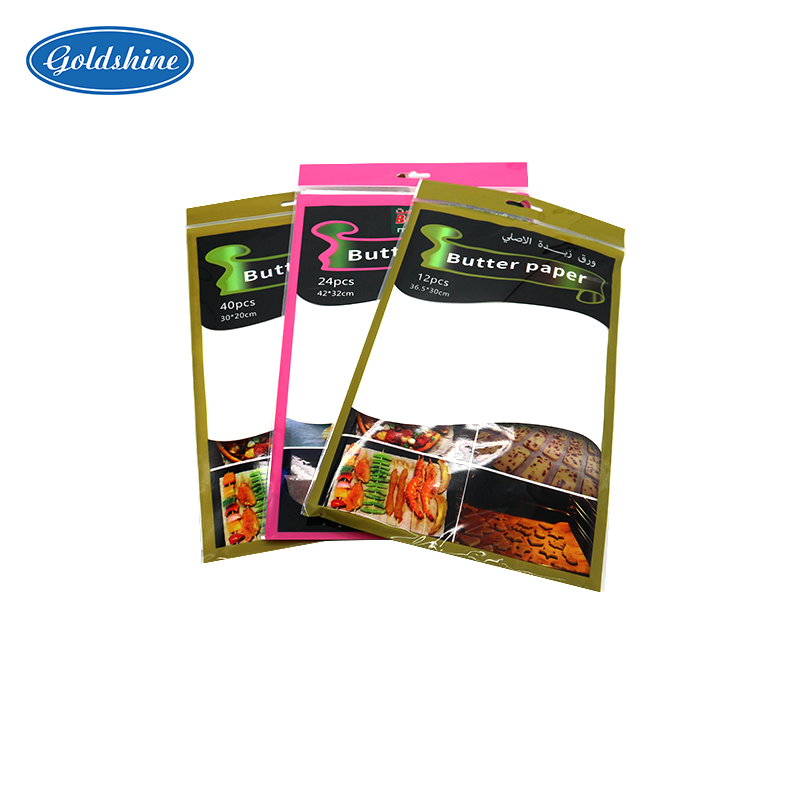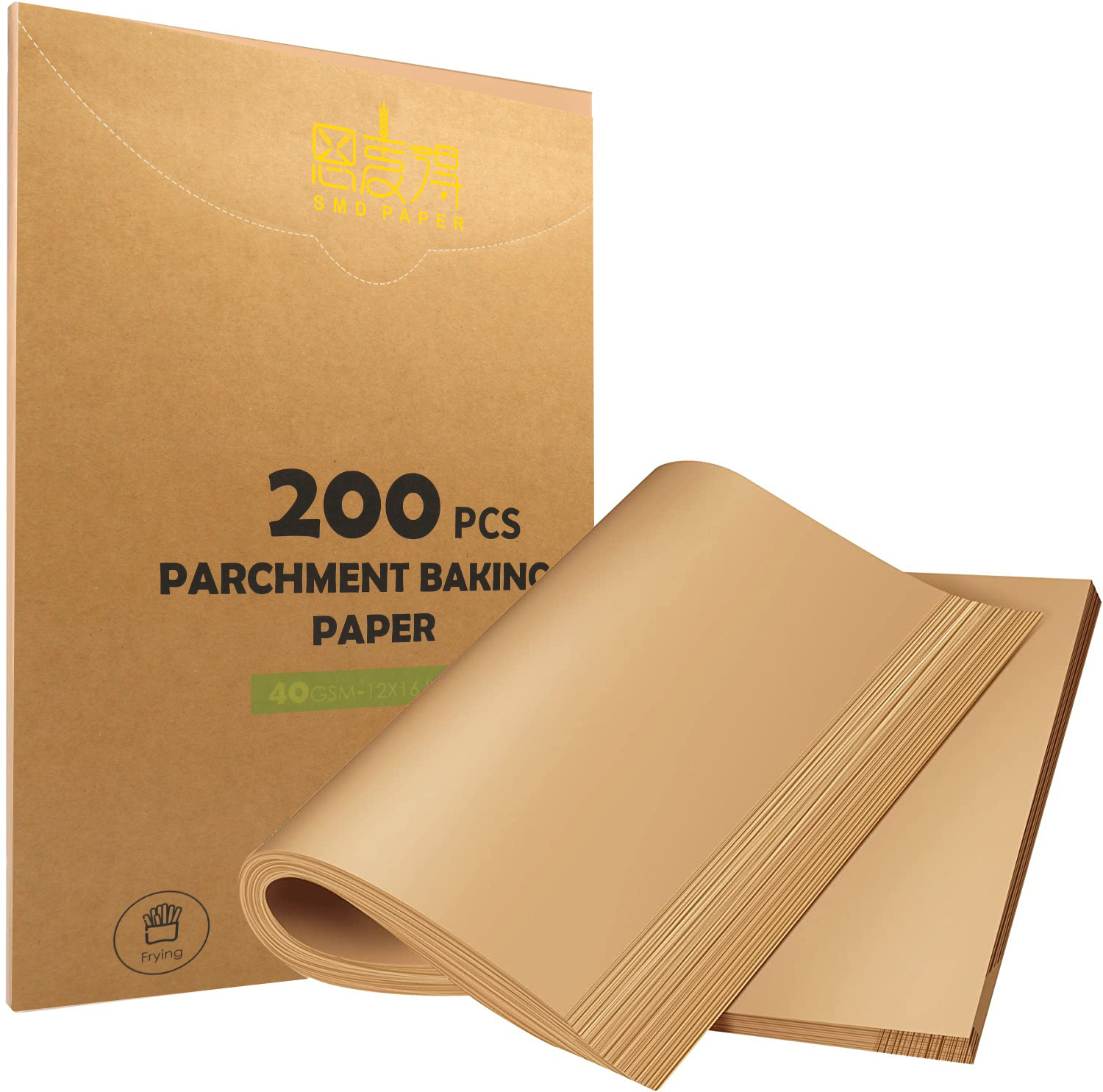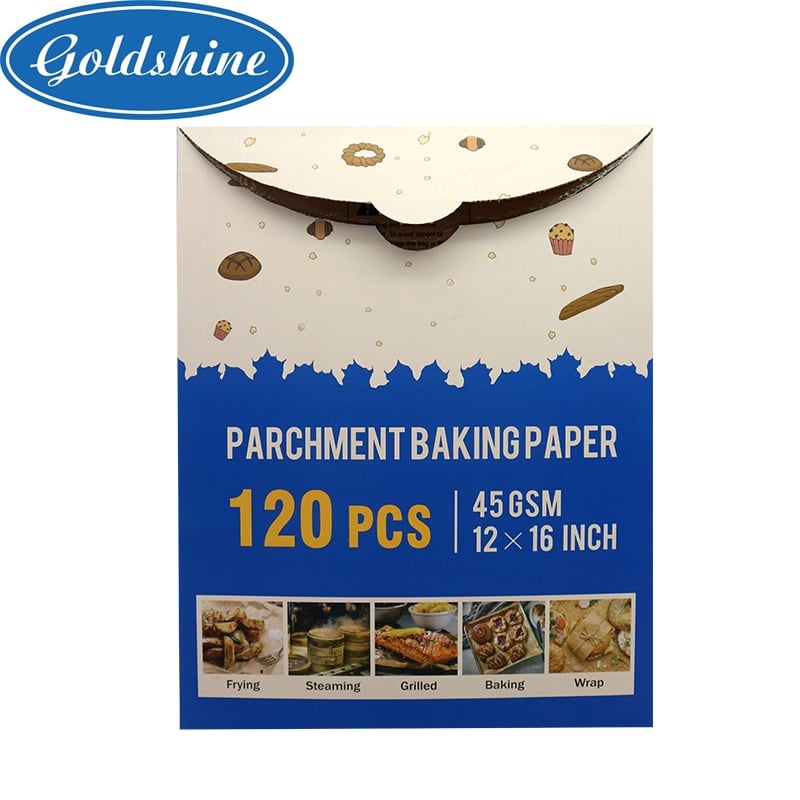
Greaseproof paper is an essential material in the food industry, designed to prevent grease and moisture from seeping through, ensuring that food remains fresh and well-presented. For purchasing managers, restaurant owners, and food manufacturers, the selection of high-quality greaseproof paper is critical to maintaining product integrity and enhancing customer satisfaction. This article will guide you through the essentials of choosing the right greaseproof paper for your business needs, covering important specifications, purchasing considerations, and various applications.
When selecting greaseproof paper, consider several critical factors that affect both performance and applicability. First, assess the thickness of the paper. Thicker options generally offer better grease resistance and durability, making them suitable for heavier food items like pastries or fried foods. However, thinner varieties may be more cost-effective for lighter applications, such as wrapping sandwiches. Next, evaluate the paper's moisture barrier properties. Depending on your specific use case, you may require a product that can withstand high moisture levels without compromising food quality. Additionally, consider the paper's compatibility with food safety standards, including certifications like SGS and BSCI, which ensure that the product meets stringent safety requirements. Lastly, think about the intended application. Are you using the greaseproof paper sheets for baking for baking, wrapping, or food preservation? Each use may dictate different specifications. For example, baking papers should be heat-resistant and able to withstand high temperatures without degrading.
When sourcing greaseproof paper in bulk, it’s essential to establish a clear understanding of your requirements to guide your purchasing decisions. Start by determining your minimum order quantity (MOQ) and delivery expectations. Many manufacturers, such as Zhangjiagang Goldshine Aluminum Foil Co., Ltd, can accommodate large orders with daily production capabilities of 4-6 containers, making them suitable for high-demand businesses. Request detailed product specifications and samples from potential suppliers to evaluate the quality firsthand. Ensure that the greaseproof paper in oven meets your specific needs for thickness, moisture resistance, and overall durability. Additionally, inquire about customization options. A good manufacturer should be able to tailor products to meet unique requirements, such as specific dimensions or printed designs. Lastly, consider pricing structures. Understand how factors like material costs, production methods, and shipping can influence pricing. Establishing a long-term relationship with a reliable supplier can also lead to better pricing and terms as your business grows.
When purchasing greaseproof paper, several key specifications should be evaluated to ensure product effectiveness.
Material Composition: Greaseproof paper can be made from various materials, including kraft paper and specialty coated papers. Each material type offers different levels of grease resistance and durability. For instance, kraft paper is often preferred for wrapping due to its strength, while coated papers provide superior grease and moisture resistance.
Weight and Thickness: The weight of greaseproof paper is typically measured in grams per square meter (gsm). A higher gsm indicates a thicker paper, which generally translates to better performance in resisting grease. Consider the intended use when selecting the weight, as heavier papers are better for items like fried foods, while lighter papers may suffice for dry goods.
Heat Resistance: If your application involves baking or exposure to high temperatures, ensure that the baking paper greaseproof paper is heat-resistant. This property is crucial to prevent the paper from burning or releasing harmful substances during cooking.
Certifications: Look for certifications such as KOSHER and SASO, which can provide assurance regarding food safety and quality standards.
Greaseproof paper finds extensive use in various applications across the food industry, enhancing both functionality and presentation. Some common applications include:
Baking: Greaseproof paper is ideal for lining baking trays and pans, preventing sticking and making cleanup easier. Its heat resistance ensures that it maintains structural integrity during baking.
Food Wrapping: For takeout and delivery services, greaseproof paper is commonly used for wrapping sandwiches, burgers, and fried items. Its moisture barrier properties keep food fresh while enhancing presentation.
Food Preservation: In food manufacturing, greaseproof paper can be used for packaging products to extend shelf life by preventing moisture and grease from affecting the contents.
Serving: Many restaurants use greaseproof paper as liners for baskets and trays, providing an attractive presentation while protecting the serving surface.
Beyond the food industry, greaseproof paper can also be utilized in non-food applications such as arts and crafts, where its properties can be beneficial for various projects.
Zhangjiagang Goldshine Aluminum Foil Co., Ltd was established in 2010 and has over 14 years of experience in household aluminum foil production. With a land area exceeding 10,000 square meters, the company boasts a seasoned team in sales, production, quality inspection, research and development, and after-sales service, forming an integrated collaborative system. Our main products include aluminum foil rolls, aluminum foil sheets, aluminum foil containers, baking paper, cling film, aluminum foil rewinding machines, aluminum foil container making machines, aluminum foil packaging machines, and various other diversified products.
Aluminum foil has an extremely strong barrier ability against oxygen, water vapor, light rays and so on. In terms of food packaging, it can effectively prevent food from oxidizing, deteriorating, getting damp, and losing nutritional components or changing in flavor due to the influence of light.Aluminum foil can conduct heat rapidly and is widely used in cooking utensils. For example, aluminum foil paper used in baking can make food heated evenly, speed up the cooking process, and at the same time, it can also prevent food from getting burnt and sticking to the baking pan, which makes cleaning convenient.
Aluminum foil itself is non-toxic and odorless, and complies with strict food safety and pharmaceutical packaging standards. When it comes into direct contact with various kinds of food and pharmaceuticals, it will not release harmful substances, thus providing a safe and reliable packaging environment for the products. Whether in the process of high-temperature sterilization or during long-term storage, aluminum foil can adhere to the safety bottom line and become an important safeguard for protecting consumers' health.
Goldshine company has established an efficient response mechanism to ensure that customers can quickly get attention when they encounter problems. Customers can contact our after-sales team at any time through multiple channels, such as telephone, email, online customer service platform and so on. Once we receive customer feedback, we promise to make an initial response within one hour, understand the general situation of the problem, and inform the customers of the action steps we are about to take.
When comparing different greaseproof paper options, it’s essential to evaluate them based on specific project requirements. Here are some considerations:
Performance Characteristics: Assess how each option performs under your expected conditions. For instance, if you plan to use the paper for hot food items, prioritize heat-resistant varieties.
Cost vs. Quality: While a lower price might be attractive, it’s important to consider the total cost of ownership. Cheaper options may lead to higher waste or customer dissatisfaction due to poor performance. Investing in higher-quality greaseproof paper often leads to better results in the long run.
Supplier Reliability: Evaluate the supplier’s reputation in the market. Look for manufacturers with certifications and a history of delivering high-quality products consistently. This reliability can significantly impact your operations by ensuring timely deliveries and consistent product quality.
Customization and Flexibility: Explore whether the supplier offers customization options that align with your brand or operational needs. Custom sizes, prints, or other modifications can enhance your product packaging and improve marketability.
Sustainability Practices: As sustainability becomes increasingly important, consider suppliers that focus on eco-friendly materials and practices. This not only aligns with global trends but also appeals to environmentally conscious consumers.
By thoroughly comparing these aspects, you can make an informed decision that meets your business needs while ensuring product quality and customer satisfaction.
Copyright © Zhangjiagang Goldshine Aluminium Foil Co., Ltd. All Rights Reserved