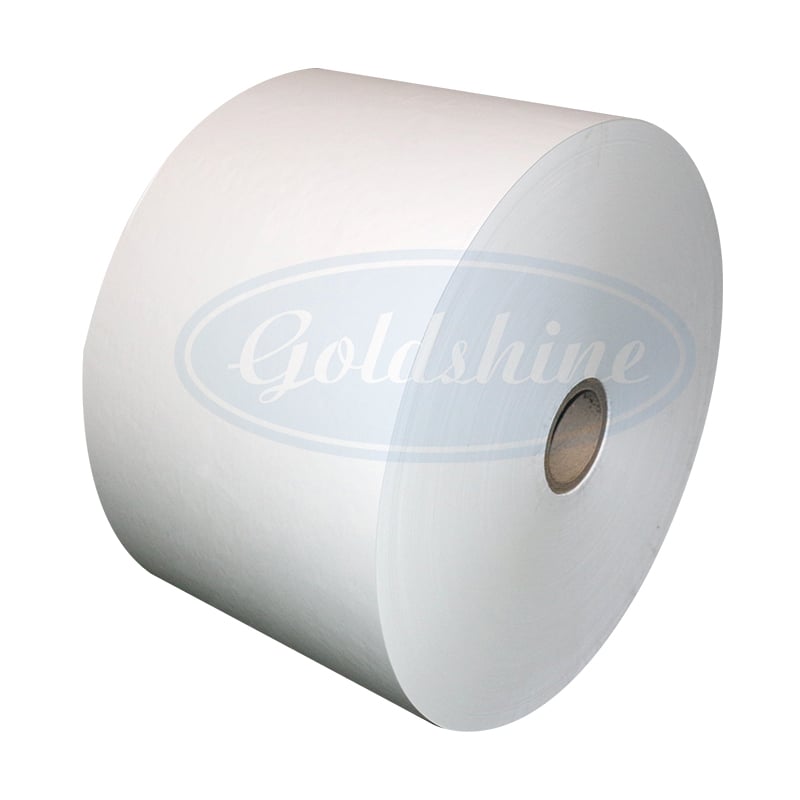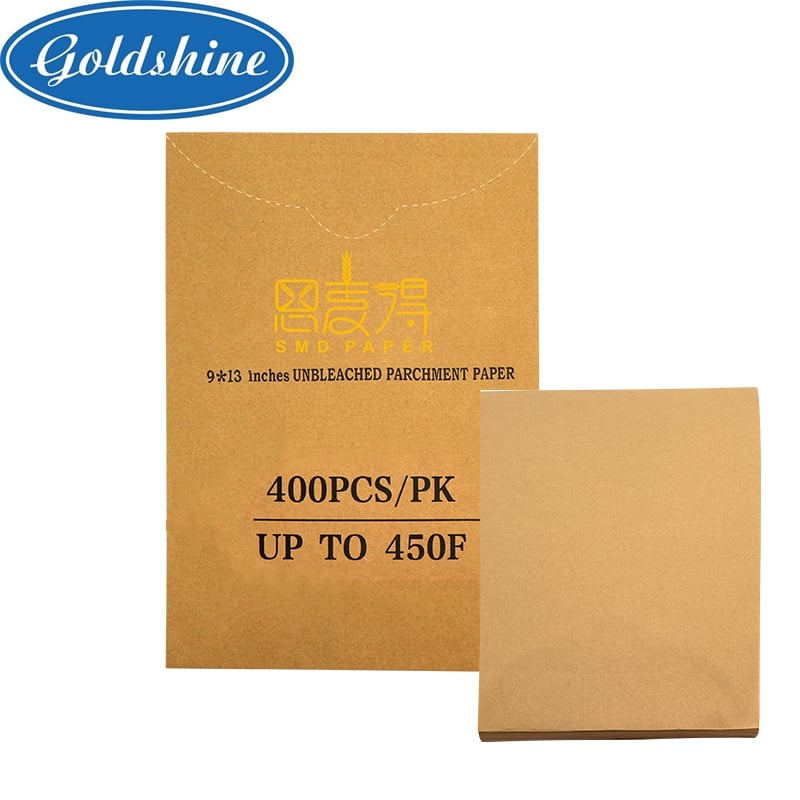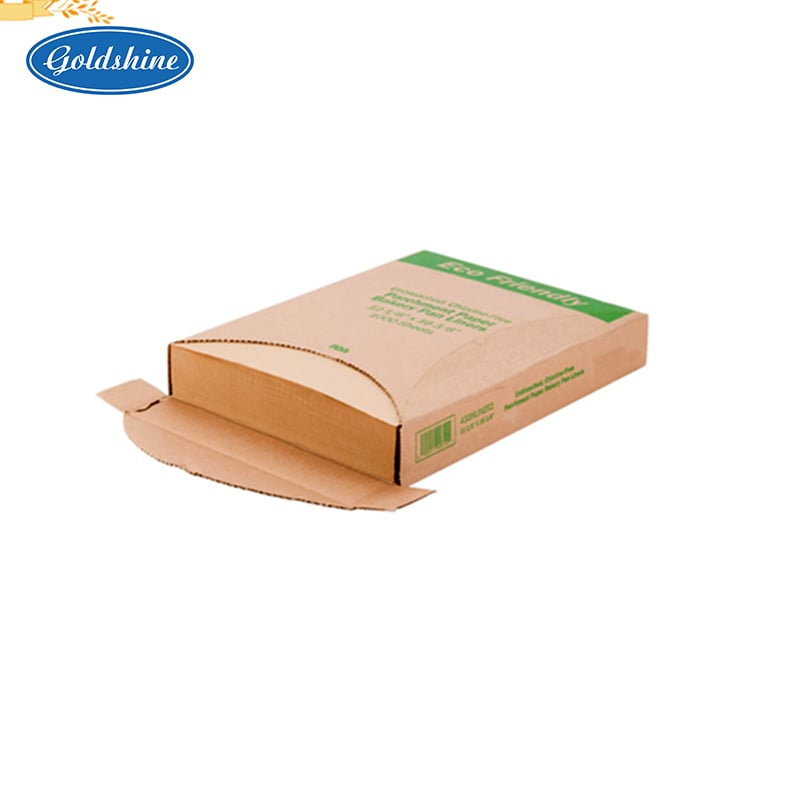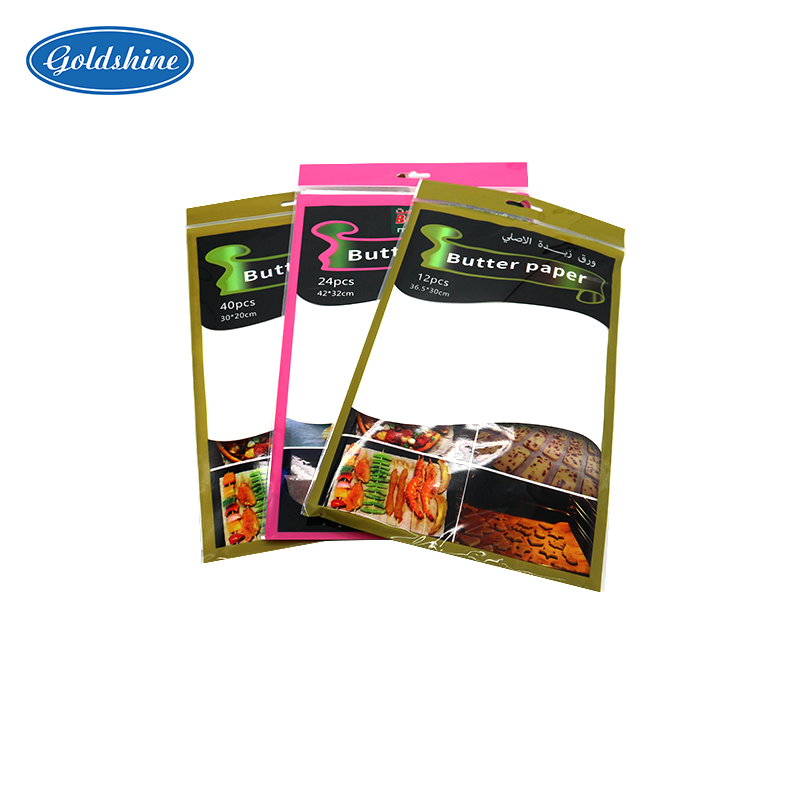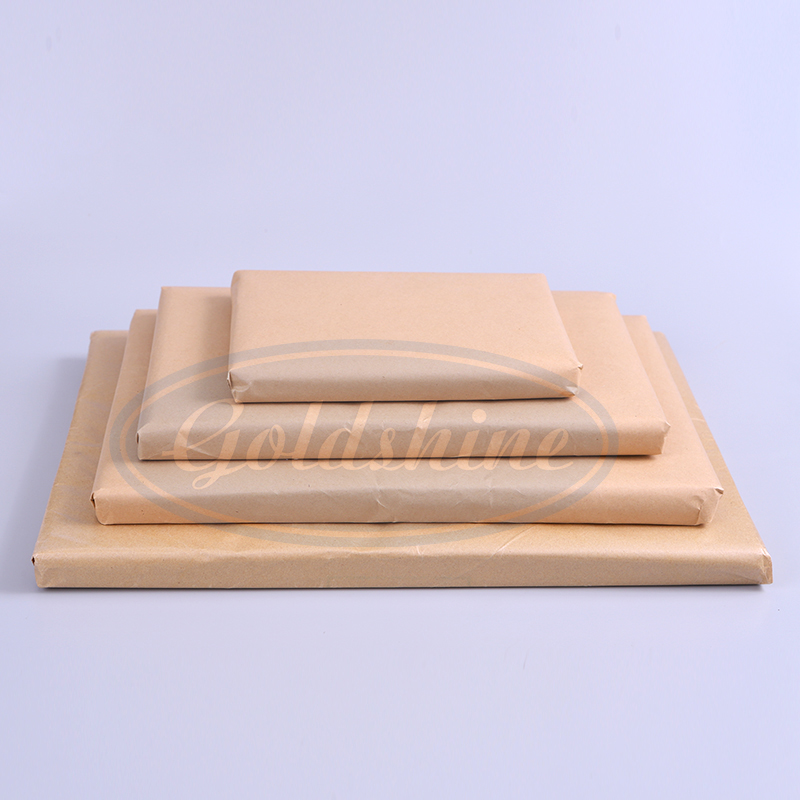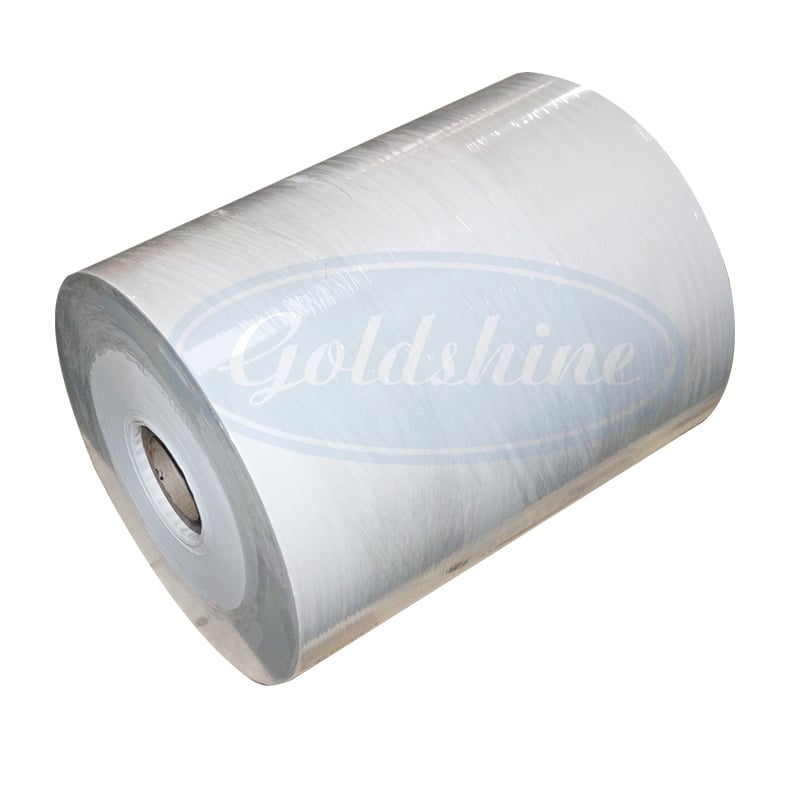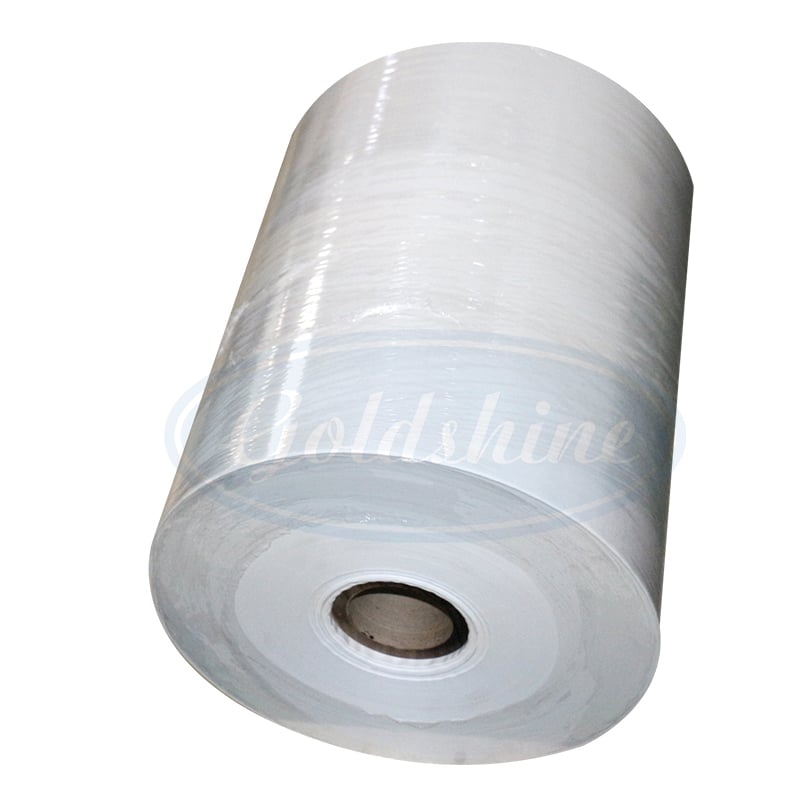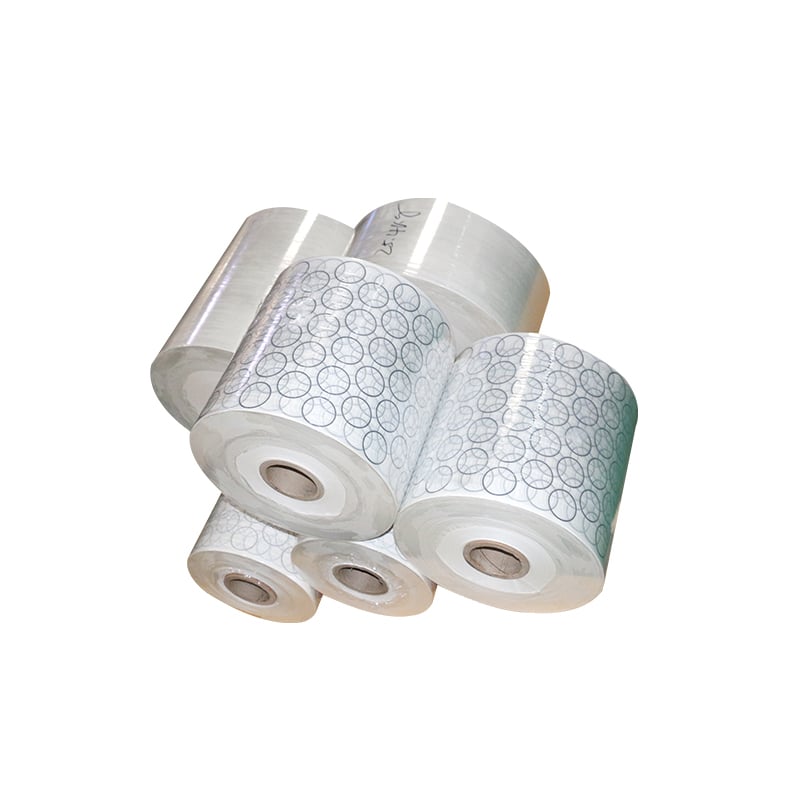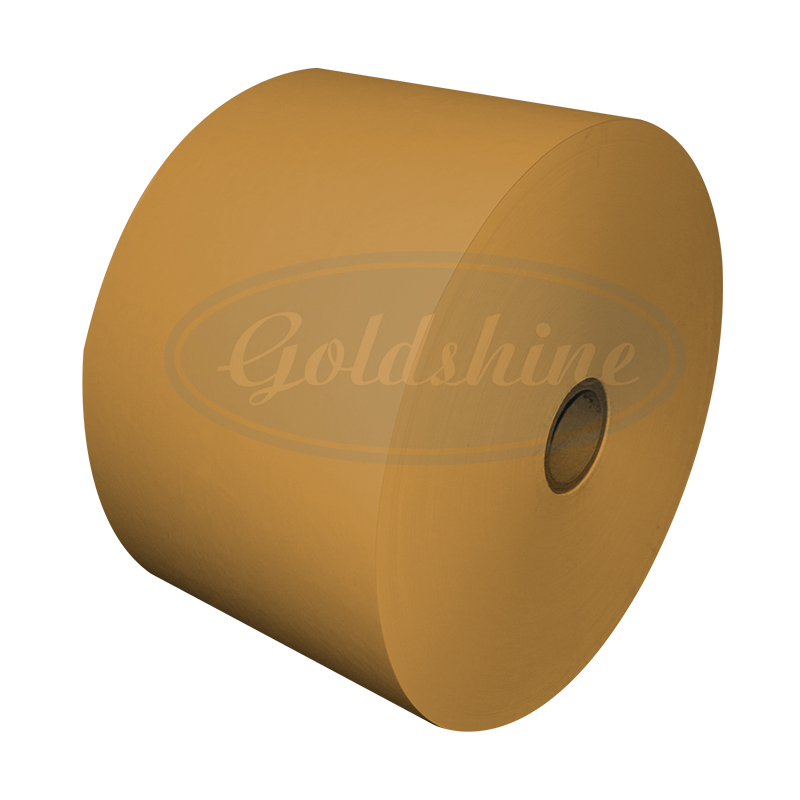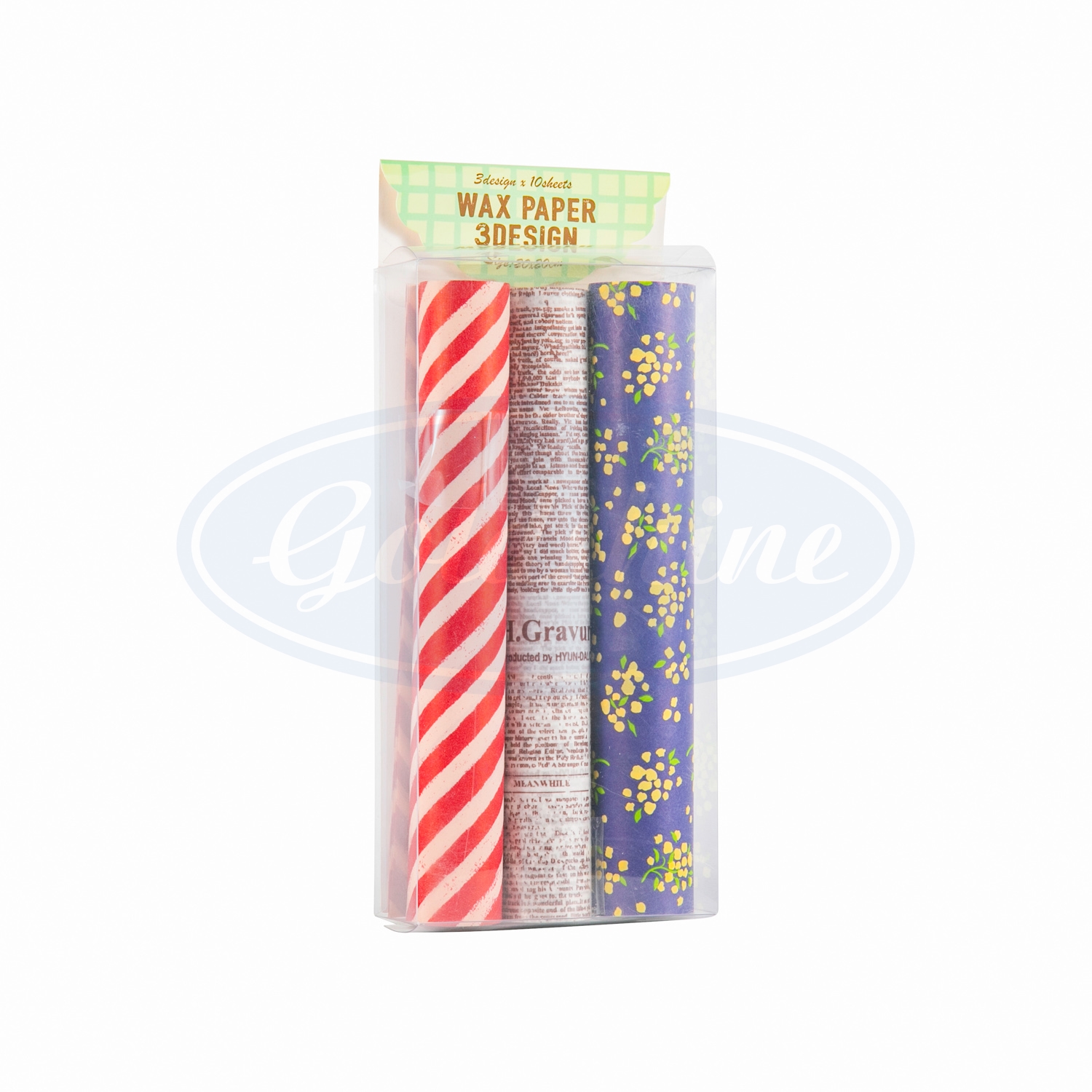
Natural parchment paper is a versatile and essential material used in the food industry, particularly for baking and food preservation. This article delves into how natural parchment paper enhances food presentation and preservation, offers installation tips for food service applications, compares it with other baking papers, provides insights into its manufacturing process, and explores its various applications in the food industry. For B2B buyers, understanding these aspects can aid in making informed purchasing decisions for their operations.
Natural parchment paper is designed to be non-stick and heat-resistant, making it an ideal choice for baking and cooking. Its smooth surface helps in achieving a professional finish for baked goods, enhancing the overall presentation. When used in food service, it can also contribute to better food preservation. The paper's moisture resistance helps maintain the freshness of baked products by preventing them from drying out, while its ability to withstand high temperatures ensures that food items retain their texture and flavor without sticking to pans. For buyers, selecting high-quality natural parchment paper means looking for products that are food-safe, free from harmful chemicals, and suitable for various cooking methods. Proper product certification, such as those held by Zhangjiagang Goldshine Aluminum Foil Co., Ltd., including SGS and KOSHER, ensures compliance with safety standards, making it easier to trust the product's quality.
When using natural parchment papers in food service settings, proper installation and usage techniques can enhance its effectiveness. Here are some practical tips: Cutting to Size: Before use, cut the parchment paper to fit the baking trays or pans. Ensure that the paper extends slightly beyond the edges to facilitate easy removal and prevent sticking. Preheating: Always preheat the oven before placing food items on the parchment paper. This ensures even cooking and prevents the paper from absorbing moisture from the food. Layering: Use multiple sheets of parchment paper for items that require longer cooking times or higher temperatures. This layering can provide additional protection against sticking and burning. Proper Storage: Store unused parchment paper in a cool, dry place to maintain its properties. This prevents moisture absorption, which can affect its performance. By following these installation tips, food service professionals can maximize the utility of parchment paper, leading to better cooking outcomes and more efficient kitchen operations.
While there are various types of baking papers available, parchment paper and wax paper stands out due to its unique properties. Here’s a comparison of natural parchment paper with other common baking papers: Wax Paper: Unlike wax paper, which is coated with a thin layer of wax, natural parchment paper is heat-resistant and can be used in the oven. Wax paper is unsuitable for high-heat applications as it can melt and smoke. Silicone Baking Mats: While silicone mats are reusable and provide a non-stick surface, they may not offer the same level of insulation as parchment paper. Natural parchment paper can absorb some moisture, which may enhance the texture of baked goods. Aluminum Foil: Aluminum foil can be used for baking but does not have the non-stick properties of parchment paper. It may also react with acidic foods, whereas parchment paper is inert and safe for all food types. For B2B buyers, understanding these differences is crucial when deciding on the best paper for specific baking applications. Quality assessments should include evaluating heat resistance, non-stick properties, and chemical safety.
The manufacturing process of natural paper parchment involves several critical steps to ensure its quality and performance. The paper is made from high-quality cellulose fibers that are treated to create a non-stick and moisture-resistant surface. Here are key aspects of the process: Pulping: High-quality cellulose is sourced and pulped to create the base of the parchment paper. This step is crucial as it determines the strength and durability of the final product. Pressing and Drying: The pulp is pressed and dried under controlled conditions to achieve the desired thickness and texture. The drying process must be carefully monitored to prevent any moisture retention that could affect performance. Coating: Natural parchment paper may undergo a treatment process that involves covering it with a silicone layer, enhancing its non-stick properties. Buyers should inquire about the types of coatings used to ensure they meet food safety standards. Quality Control: Stringent quality control processes are implemented throughout production. For instance, Zhangjiagang Goldshine Aluminum Foil Co., Ltd. employs strict QC measures to ensure that the final product meets industry standards and customer expectations. Understanding this manufacturing process helps buyers appreciate the quality and safety of the natural parchment paper they purchase, ensuring they select products that meet their operational needs.
Aluminum foil has an extremely strong barrier ability against oxygen, water vapor, light rays and so on. In terms of food packaging, it can effectively prevent food from oxidizing, deteriorating, getting damp, and losing nutritional components or changing in flavor due to the influence of light.Aluminum foil can conduct heat rapidly and is widely used in cooking utensils. For example, aluminum foil paper used in baking can make food heated evenly, speed up the cooking process, and at the same time, it can also prevent food from getting burnt and sticking to the baking pan, which makes cleaning convenient.
Zhangjiagang Goldshine Aluminum Foil Co., Ltd was established in 2010 and has over 14 years of experience in household aluminum foil production. With a land area exceeding 10,000 square meters, the company boasts a seasoned team in sales, production, quality inspection, research and development, and after-sales service, forming an integrated collaborative system. Our main products include aluminum foil rolls, aluminum foil sheets, aluminum foil containers, baking paper, cling film, aluminum foil rewinding machines, aluminum foil container making machines, aluminum foil packaging machines, and various other diversified products.
Aluminum foil itself is non-toxic and odorless, and complies with strict food safety and pharmaceutical packaging standards. When it comes into direct contact with various kinds of food and pharmaceuticals, it will not release harmful substances, thus providing a safe and reliable packaging environment for the products. Whether in the process of high-temperature sterilization or during long-term storage, aluminum foil can adhere to the safety bottom line and become an important safeguard for protecting consumers' health.
Goldshine company has established an efficient response mechanism to ensure that customers can quickly get attention when they encounter problems. Customers can contact our after-sales team at any time through multiple channels, such as telephone, email, online customer service platform and so on. Once we receive customer feedback, we promise to make an initial response within one hour, understand the general situation of the problem, and inform the customers of the action steps we are about to take.
Natural parchment paper finds a wide array of applications in the food industry, making it a versatile choice for various culinary tasks. Here are some key applications: Baking: Widely used in baking, it serves as a lining for trays and pans, preventing food from sticking and ensuring easy cleanup. It is especially beneficial for cookies, cakes, and pastries. Food Wrapping: Natural parchment paper can be used to wrap food items for storage or transport, helping to preserve freshness and prevent contamination. Cooking en Papillote: This technique involves cooking food in a folded pouch made from parchment paper, allowing for moist, flavorful results while reducing the need for added fats. Food Presentation: In catering and food service, natural parchment paper can be used as a decorative element for plating, enhancing the presentation of dishes while maintaining hygiene. For suppliers and manufacturers, understanding these applications is crucial for tailoring products to meet the specific needs of their clients. Buyers should communicate their intended use to ensure they receive the most suitable product specifications, such as size and thickness. In summary, natural parchment paper is an essential product in the food industry, offering significant advantages in food presentation and preservation. By understanding its features, manufacturing process, and applications, B2B buyers can make informed decisions that enhance their baking and food service operations.
Copyright © Zhangjiagang Goldshine Aluminium Foil Co., Ltd. All Rights Reserved