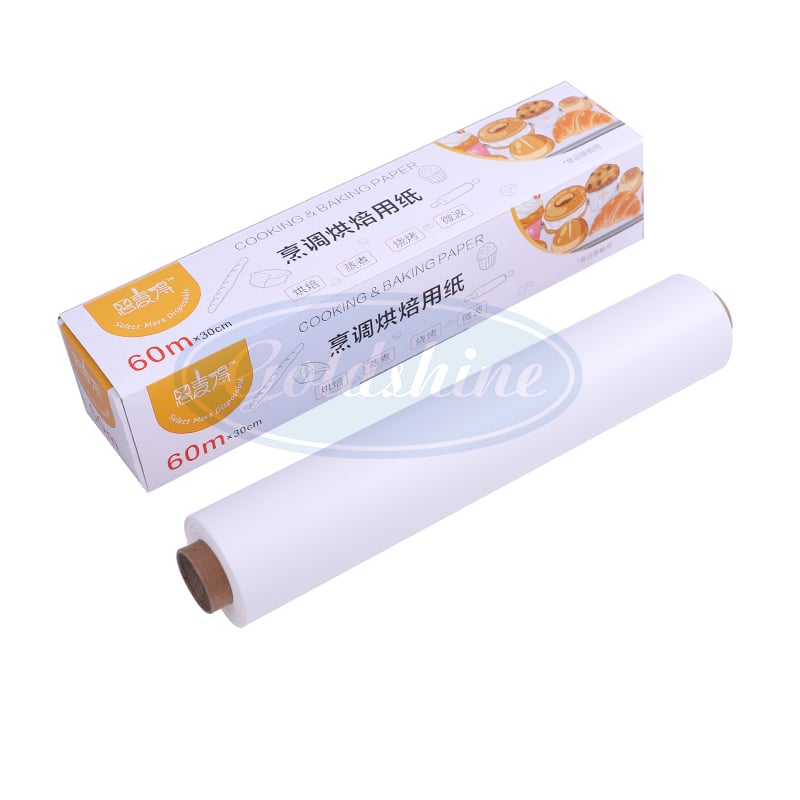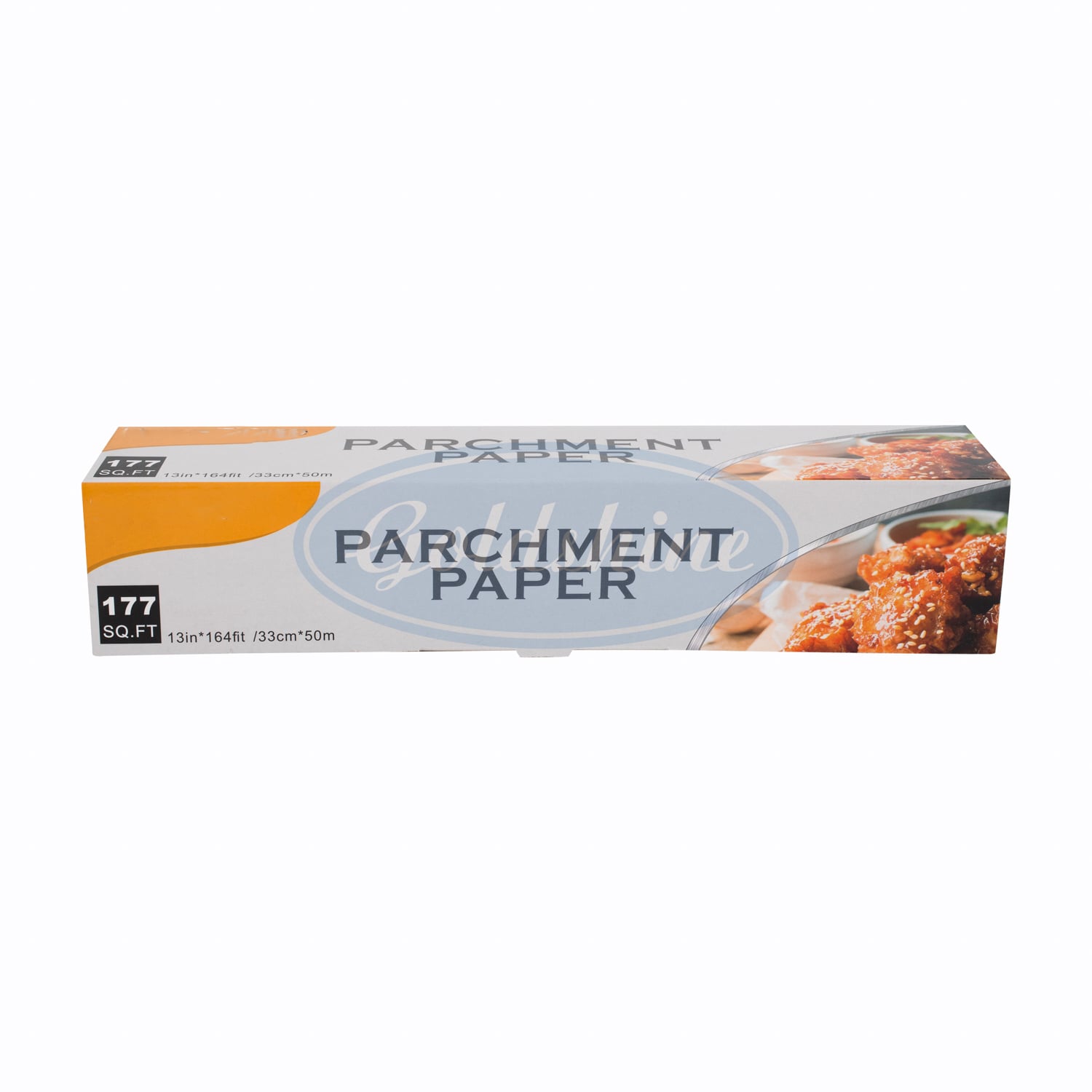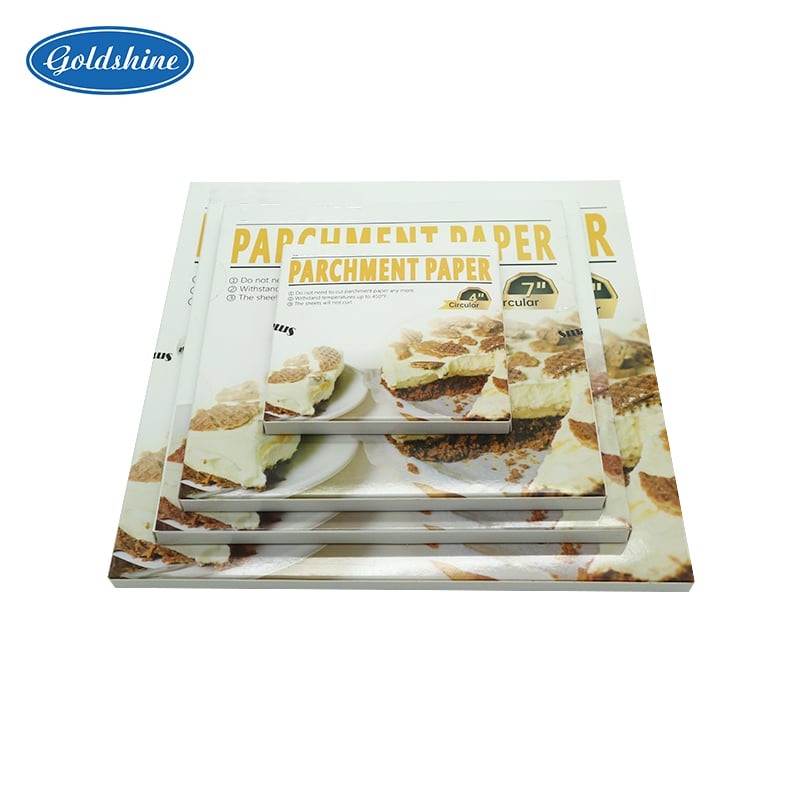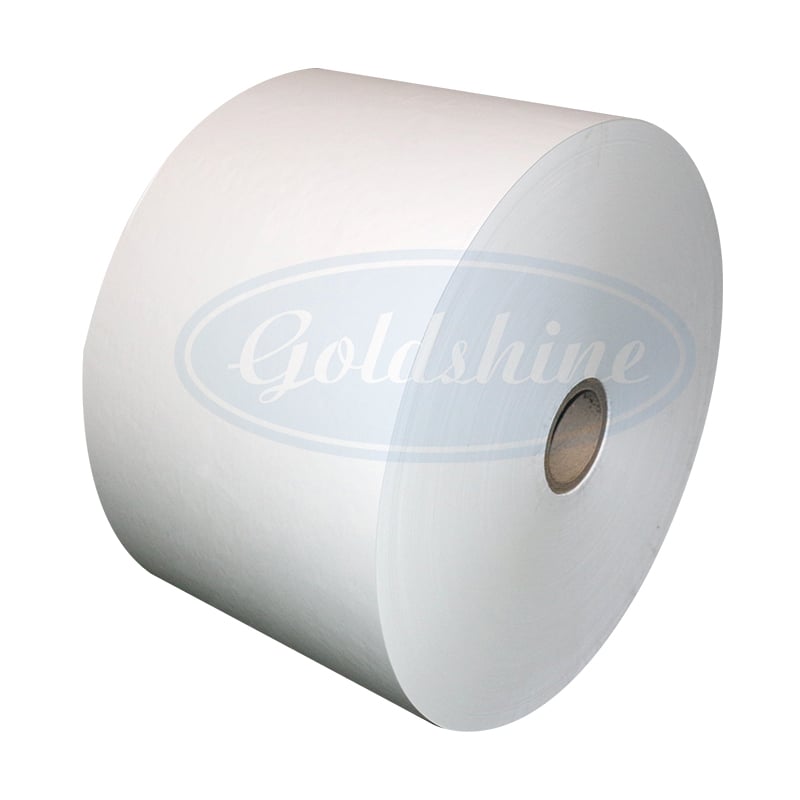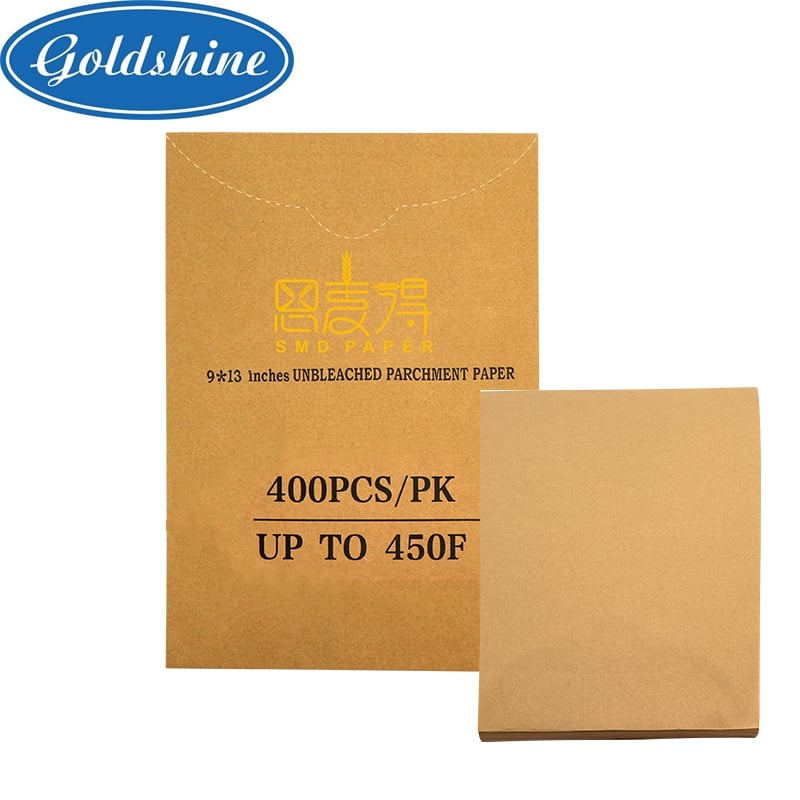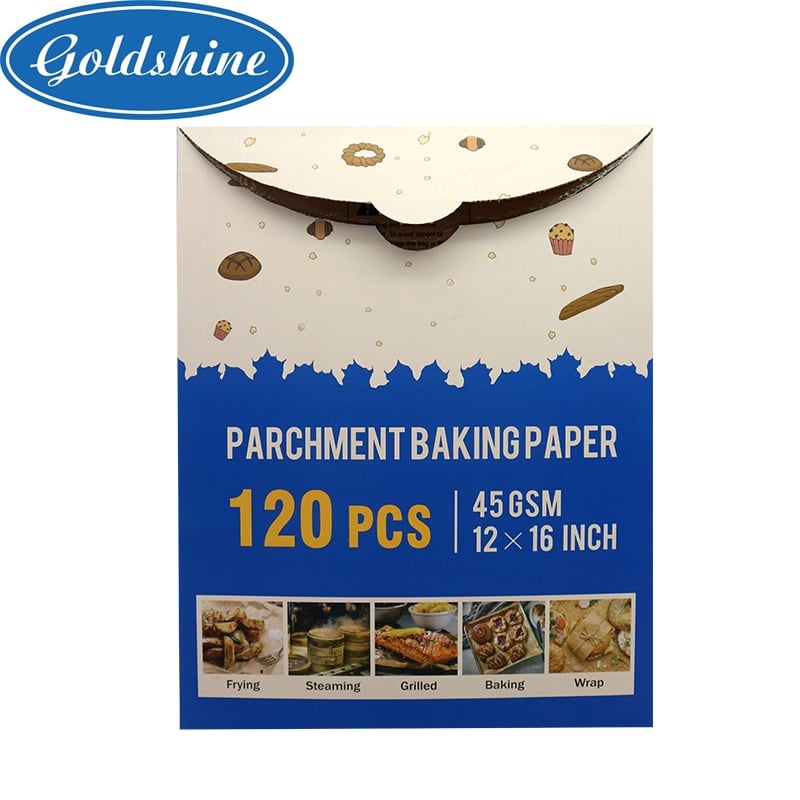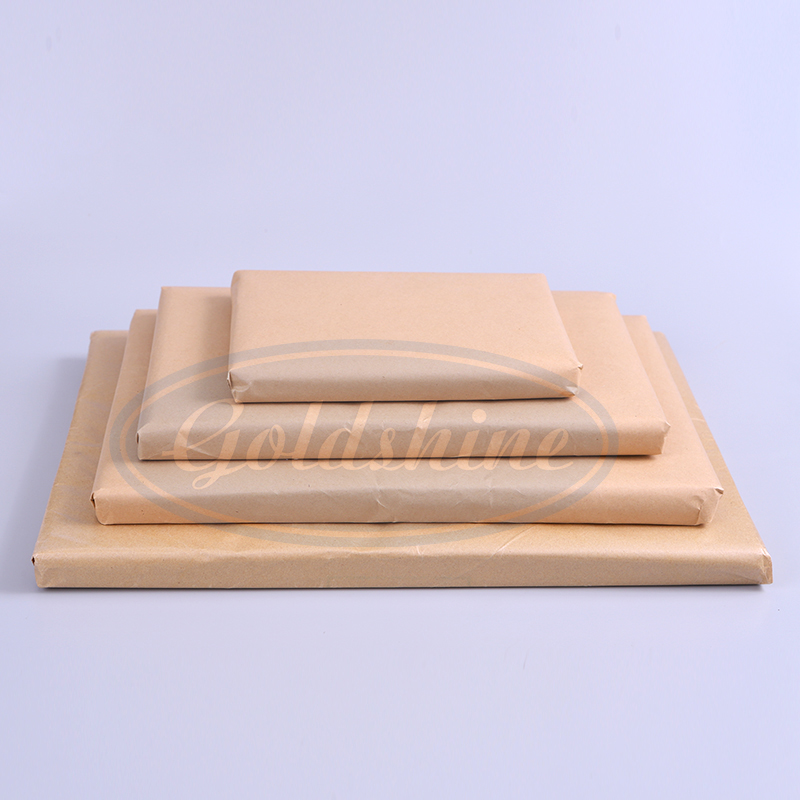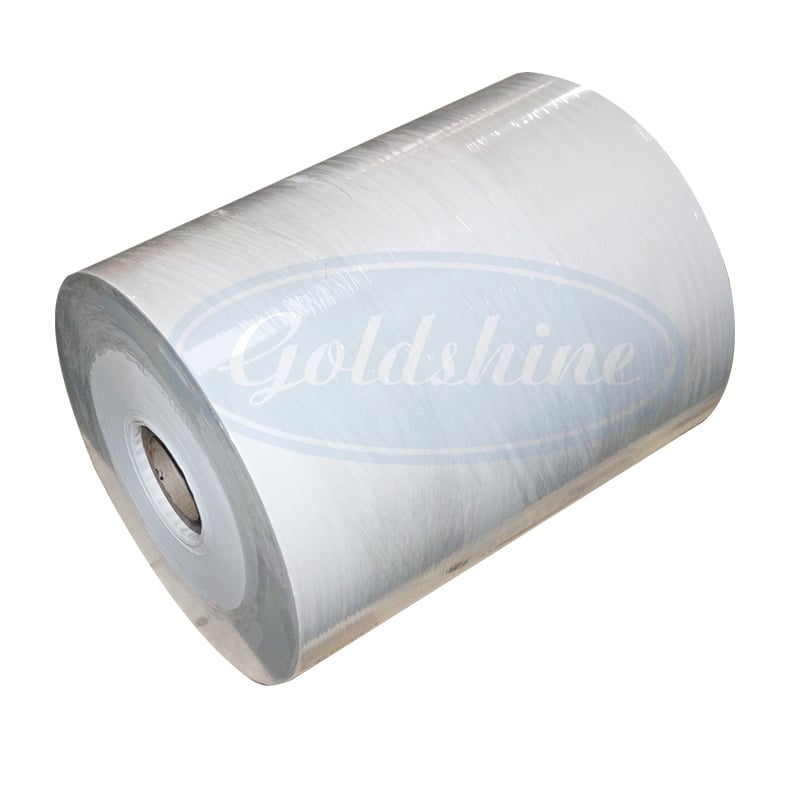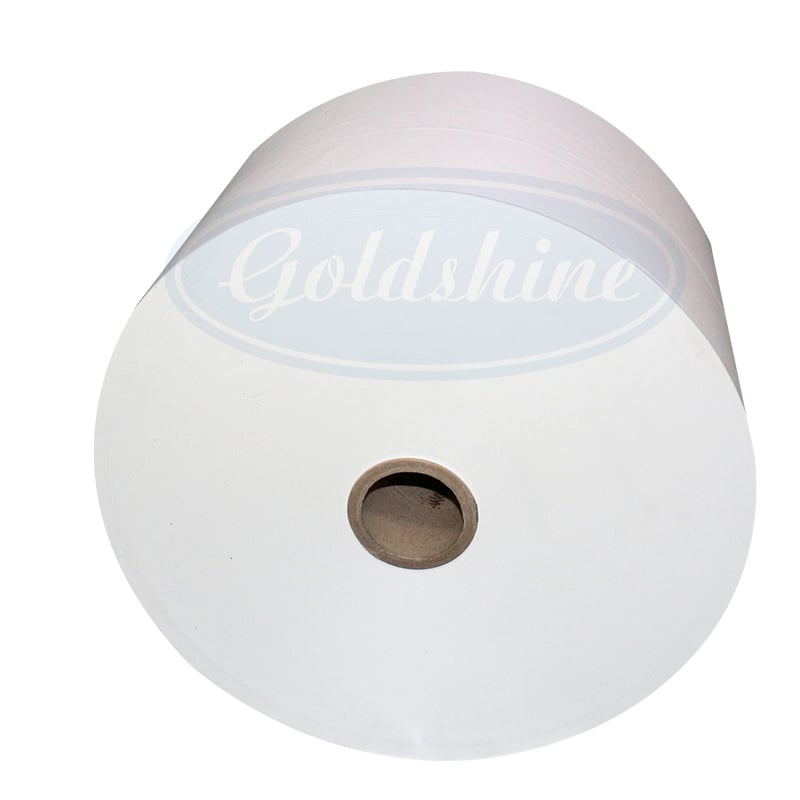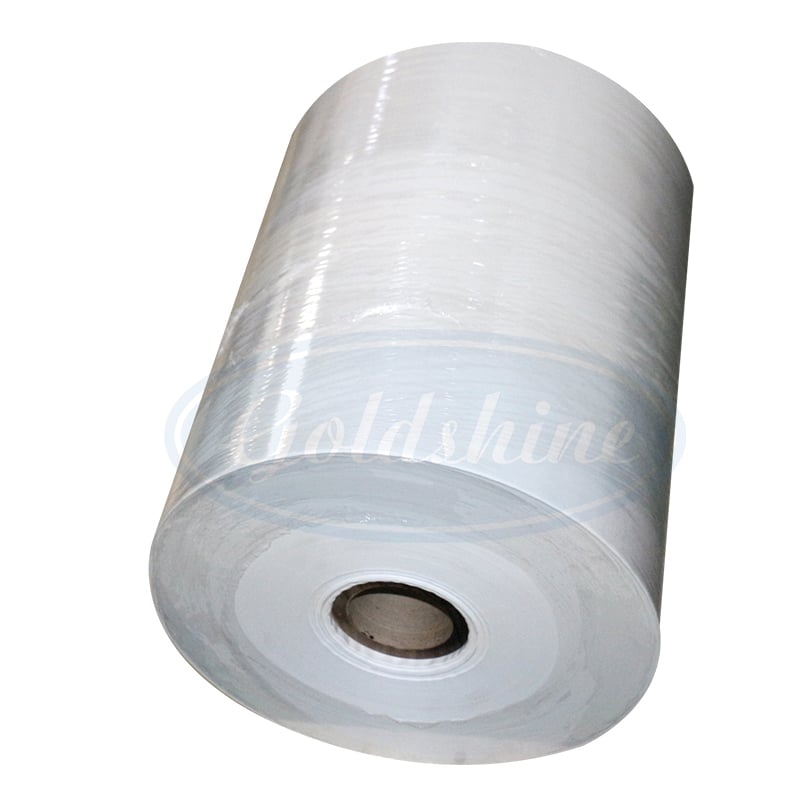
Printed baking paper is a versatile kitchen essential used widely in commercial and industrial settings for its convenience and functionality. It offers a non-stick surface, making it ideal for baking and cooking, while also providing an effective barrier against moisture and grease. For purchasing managers and product managers, ensuring the right quality and specifications of printed baking paper is crucial to meet operational needs and customer expectations. This article will guide you through key considerations when sourcing printed baking paper, addressing common issues, and evaluating quality standards.
When sourcing printed baking paper, it's essential to partner with manufacturers that have a proven track record of quality and reliability. Look for suppliers like our brand which has over 14 years of experience in producing high-quality aluminum foil products, including baking paper greaseproof paper. Key factors to consider when choosing a supplier include:
Certifications: Ensure the supplier holds relevant certifications such as SGS, TUV, BSCI, KOSHER, and SASO. These certifications indicate compliance with safety and quality standards.
Production Capacity: Evaluate the supplier’s production capabilities. A manufacturer like Goldshine, with 26 advanced automated lines producing daily 4-6 containers, can handle large orders efficiently.
Customization: Inquire about the ability to customize printed designs, dimensions, and packaging to meet specific application needs. Customization can enhance branding and improve product usability.
Quality Control: A robust quality control process is crucial. Suppliers should have strict QC measures to ensure that each batch meets established specifications, reducing the risk of defects.
To maximize the benefits of printed baking paper, proper installation and usage are vital. Here are some practical tips:
Prepping the Surface: Ensure that the baking sheet or pan is clean and dry before placing the printed baking paper. This helps the paper adhere better and prevents slipping.
Cutting to Size: Measure and cut the baking paper to fit the specific dimensions of your baking tray or pan. This prevents overhang, which can lead to uneven baking.
Avoiding Direct Contact with Flames: Printed baking paper should not be exposed to direct flames or heating elements, as this can cause the paper to burn. It's designed to withstand certain temperatures, but always check the manufacturer’s guidelines for temperature limits.
Storage: Store unused baking paper in a cool, dry place to maintain its properties. Proper storage prevents moisture absorption, which could affect its performance.
Despite its advantages, users may encounter issues when using printed baking paper. Here are common problems and their solutions:
Paper Sticking to Food: This can occur if the paper is not adequately greased or if the baking temperature is too low. To prevent this, ensure that the baking paper is properly coated with oil or cooking spray, and preheat the oven to the recommended temperature.
Burning or Discoloration: If the baking paper burns, it may be due to excessive heat. Always adhere to the temperature guidelines provided by the manufacturer. Using parchment paper that is heat-resistant can mitigate this issue.
Uneven Baking: This may happen if the paper is not flat against the baking surface. Ensure that the custom baking paper is smoothed out and properly fitted to avoid air pockets that can lead to uneven baking.
When assessing the quality of Goldshine printed baking paper, consider the following specifications and factors:
Material Composition: High-quality printed baking paper is typically made from food-safe, grease-resistant materials. Check for the type of material used, as this affects the paper's durability and non-stick properties.
Thickness: The thickness of the paper can impact its heat resistance and structural integrity. Thicker paper often provides better performance, particularly in high-heat applications.
Print Quality: For businesses that require branding on baking paper, the clarity and durability of the print are essential. Ensure that the inks used are non-toxic and heat-resistant to maintain quality during baking.
Barrier Properties: Evaluate the moisture and grease barrier properties of the baking paper. This will determine how well the paper performs in keeping food items intact and preventing sogginess.
Aluminum foil itself is non-toxic and odorless, and complies with strict food safety and pharmaceutical packaging standards. When it comes into direct contact with various kinds of food and pharmaceuticals, it will not release harmful substances, thus providing a safe and reliable packaging environment for the products. Whether in the process of high-temperature sterilization or during long-term storage, aluminum foil can adhere to the safety bottom line and become an important safeguard for protecting consumers' health.
Zhangjiagang Goldshine Aluminum Foil Co., Ltd was established in 2010 and has over 14 years of experience in household aluminum foil production. With a land area exceeding 10,000 square meters, the company boasts a seasoned team in sales, production, quality inspection, research and development, and after-sales service, forming an integrated collaborative system. Our main products include aluminum foil rolls, aluminum foil sheets, aluminum foil containers, baking paper, cling film, aluminum foil rewinding machines, aluminum foil container making machines, aluminum foil packaging machines, and various other diversified products.
Goldshine company has established an efficient response mechanism to ensure that customers can quickly get attention when they encounter problems. Customers can contact our after-sales team at any time through multiple channels, such as telephone, email, online customer service platform and so on. Once we receive customer feedback, we promise to make an initial response within one hour, understand the general situation of the problem, and inform the customers of the action steps we are about to take.
Aluminum foil has an extremely strong barrier ability against oxygen, water vapor, light rays and so on. In terms of food packaging, it can effectively prevent food from oxidizing, deteriorating, getting damp, and losing nutritional components or changing in flavor due to the influence of light.Aluminum foil can conduct heat rapidly and is widely used in cooking utensils. For example, aluminum foil paper used in baking can make food heated evenly, speed up the cooking process, and at the same time, it can also prevent food from getting burnt and sticking to the baking pan, which makes cleaning convenient.
Purchasing Goldshine printed baking paper is not just about finding the lowest price; several factors play a significant role in ensuring satisfaction with the final product:
Cost vs. Quality: While cheaper options may be available, they can compromise on quality, leading to poor performance in baking and cooking applications. Investing in quality products can lead to better outcomes in food preparation and customer satisfaction.
Supplier Reliability: Establishing a relationship with a reliable supplier ensures consistent quality and timely delivery. This is crucial for businesses that rely on continuous supply for production.
Sustainability: As sustainability becomes increasingly important, consider sourcing printed baking paper made from environmentally friendly materials and processes. This not only aligns with consumer preferences but also supports corporate responsibility initiatives.
Performance Feedback: Gather feedback from end-users regarding the performance of the printed baking paper. This information can be invaluable for making informed purchasing decisions in the future and for evaluating supplier performance.
By understanding these critical aspects of baking paper for cookies, purchasing managers and product managers can make informed decisions that align with their operational needs and customer expectations.
Copyright © Zhangjiagang Goldshine Aluminium Foil Co., Ltd. All Rights Reserved