
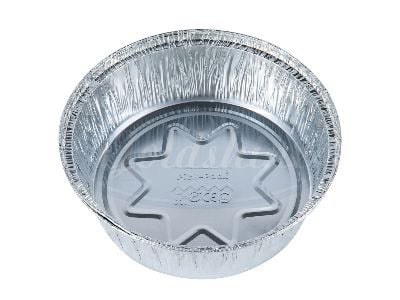
Testing the quality of aluminum foil food containers is crucial for manufacturers and suppliers who want to ensure their products meet industry standards and customer expectations. Buyers need to consider factors such as material safety, durability, and suitability for various applications. This article will explore practical methods to evaluate aluminum foil food containers, key specifications to look for in wholesale purchases, sourcing reliable suppliers, cost factors, and installation guidance.
How to Evaluate the Quality of Aluminum Foil Food Containers?
When assessing the quality of aluminum foil food containers, several key factors should be examined:
Material Composition: The aluminum foil should be made from high-grade aluminum that is food-safe. Check for compliance with relevant food safety regulations, such as FDA guidelines.
Thickness: The thickness of the aluminum foil food containers aluminum foil impacts its durability and ability to hold food. A thickness of 0.006 to 0.020 mm is common for food containers, with thicker options providing better structural integrity.
Sealing Quality: Proper sealing is essential to prevent leaks and maintain the freshness of the food. Inspect the sealing process to ensure that it adequately prevents air and moisture infiltration.
Durability Tests: Conduct real-world testing, such as stacking tests or thermal resistance tests, to evaluate how the containers perform under various conditions. This helps identify potential failures in typical usage scenarios.
Quality Certifications: Look for certifications such as SGS, TUV, BSCI, and KOSHER, which indicate compliance with quality and safety standards.
Sample Approval: Before placing a bulk order, insist on a sample approval process. This allows you to evaluate the container’s performance and appearance firsthand.
Key Specifications for Aluminum Foil Food Containers in Wholesale
When purchasing aluminum foil food containers in bulk, focus on the following specifications:
Dimensions: Ensure the containers meet the required sizes for your intended application. Common dimensions for food containers include rectangular and circular shapes, with varying depths.
Weight Capacity: Assess the maximum weight the aluminum foil food containers container can handle without deformation. This is especially important for containers used in catering or foodservice.
Barrier Properties: Consider the barrier properties of the aluminum foil, which affect its ability to protect food from moisture, oxygen, and light. This is crucial for preserving food quality.
Customizations: Determine if the aluminum foil food containers supplier offers customization options, such as printed branding or specialized shapes, to meet your specific needs.
Packaging Options: Evaluate how the containers will be packaged for shipping. Proper packaging prevents damage during transit and ensures that containers arrive in good condition.
Minimum Order Quantity (MOQ): Understand the supplier's MOQ requirements, as this can affect your purchasing decisions and inventory management.
Where to Source Reliable Aluminum Foil Food Container Suppliers?
Finding trustworthy suppliers is essential for ensuring the quality of aluminum foil food containers. Here are some strategies:
Industry Trade Shows: Attend industry trade shows to meet manufacturers and suppliers face-to-face. This provides an opportunity to inspect samples and discuss specifications directly.
Online Marketplaces: Utilize B2B platforms like Alibaba or Global Sources to find suppliers. Review their ratings and customer feedback to gauge reliability.
Manufacturer Directories: Explore directories that list certified manufacturers, such as ThomasNet or Maker’s Row. These platforms often include company backgrounds and product offerings.
Networking: Leverage industry contacts to get recommendations on reputable suppliers. Colleagues in the aluminum foil food containers foodservice or packaging industries may have valuable insights.
Quality Assessments: When narrowing down potential suppliers, request quality assessments or certifications. This helps validate their compliance with industry standards.
Comparing Cost Factors for Aluminum Foil Food Containers
Cost is a significant consideration when purchasing aluminum foil food containers. Here are key factors that influence pricing:
Material Costs: The price of aluminum can fluctuate, affecting overall costs. Suppliers may offer different grades of aluminum at various price points.
Production Volume: Bulk orders typically reduce the per-unit cost. However, consider the trade-off between inventory costs and the benefits of reduced pricing.
Customization Costs: Custom foil food containers designs or branding can increase costs. Ensure you understand the pricing structure for any additional features you may require.
Shipping and Logistics: Evaluate shipping costs, especially if sourcing internationally. Freight charges can significantly impact the overall expense.
Quality Control: Suppliers with rigorous quality control processes may charge higher prices. However, investing in quality can reduce the aluminum foil food containers risk of returns and enhance customer satisfaction.
Payment Terms: Discuss payment terms with suppliers, as favorable terms can help manage cash flow. Be aware of how payment schedules may affect pricing.
Installation Guidance for Aluminum Foil Food Containers in Projects
Proper installation and usage of aluminum foil food containers are crucial for maximizing their functionality. Here are some installation tips:
Preparation: Ensure that the containers are clean and dry before use. Residual moisture can compromise the integrity of the food packaging.
Filling Techniques: When filling, avoid over-packing as this can lead to spills and compromises in the sealing. Leave some space at the top to allow for expansion if the food is heated.
Sealing Methods: If the containers require lids or sealing films, ensure they are applied correctly. This prevents leaks and maintains food freshness.
Temperature Guidelines: Be aware of the aluminum foil food containers temperature limits for heating or freezing food in aluminum containers. Overheating can cause deformation, while extreme cold can affect food quality.
User Training: If the containers are used in a commercial kitchen, provide training for staff on best practices for handling and using aluminum aluminium foil food tray containers. This can improve efficiency and reduce waste.
Maintenance Checks: Regularly inspect containers for any signs of wear or damage, especially if they are used in high-volume environments. Prompt replacement can prevent customer dissatisfaction.
By following these guidelines, buyers can confidently assess and source high-quality aluminum foil food containers that meet their operational needs while ensuring compliance with safety standards.
Table of Contents
- How to Evaluate the Quality of Aluminum Foil Food Containers?
- Key Specifications for Aluminum Foil Food Containers in Wholesale
- Where to Source Reliable Aluminum Foil Food Container Suppliers?
- Comparing Cost Factors for Aluminum Foil Food Containers
- Installation Guidance for Aluminum Foil Food Containers in Projects