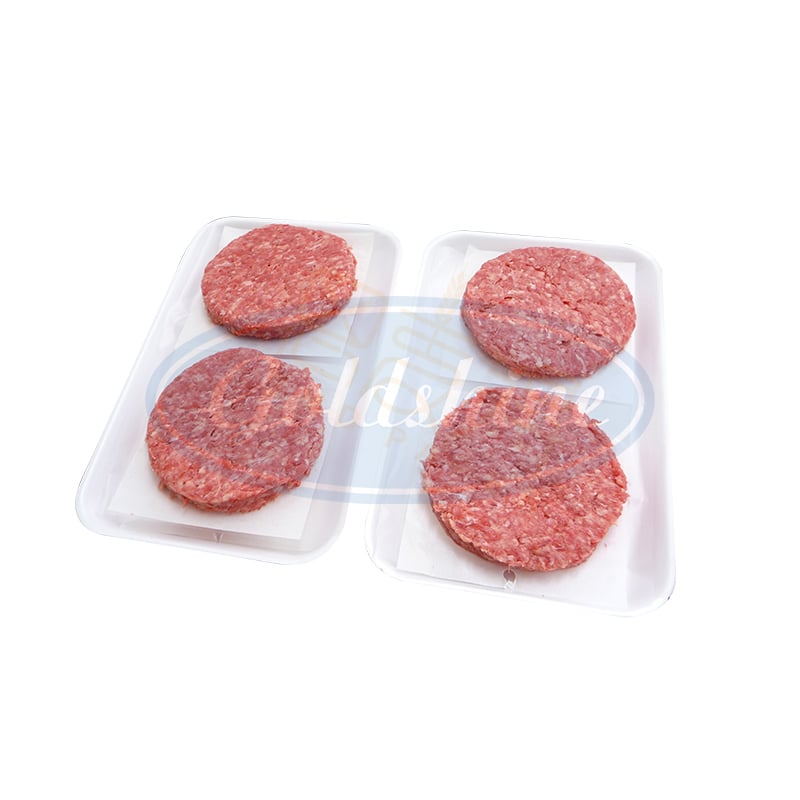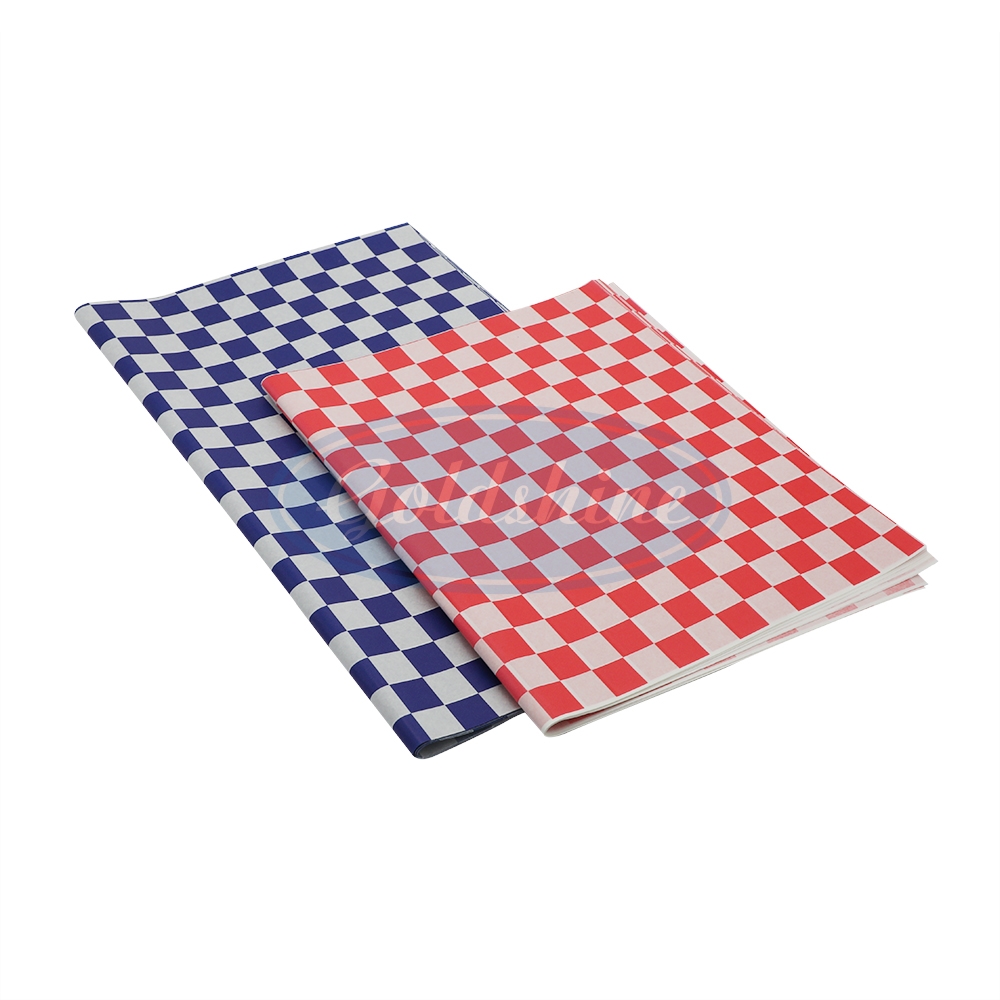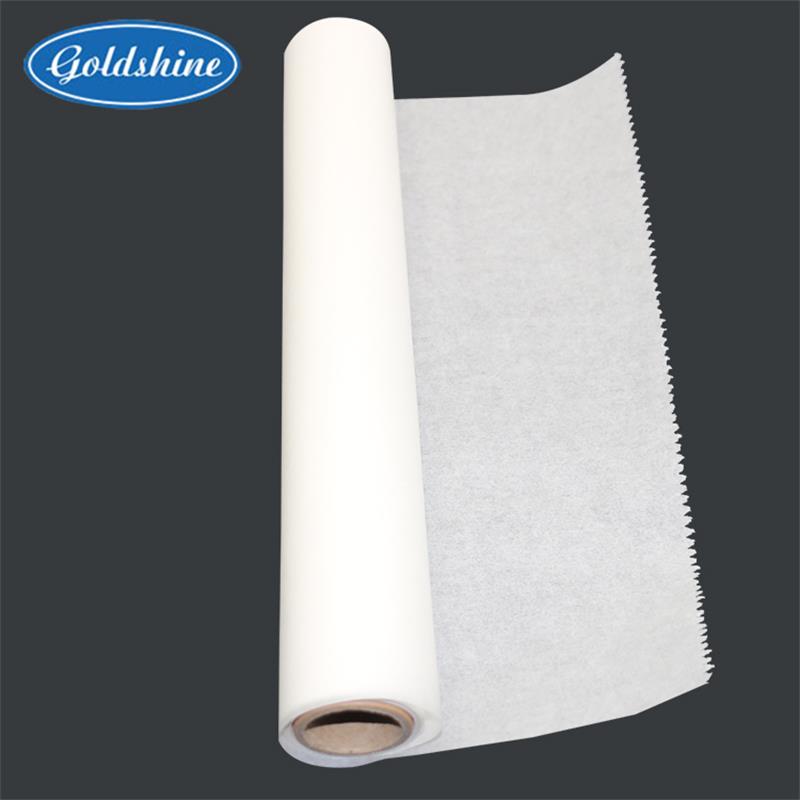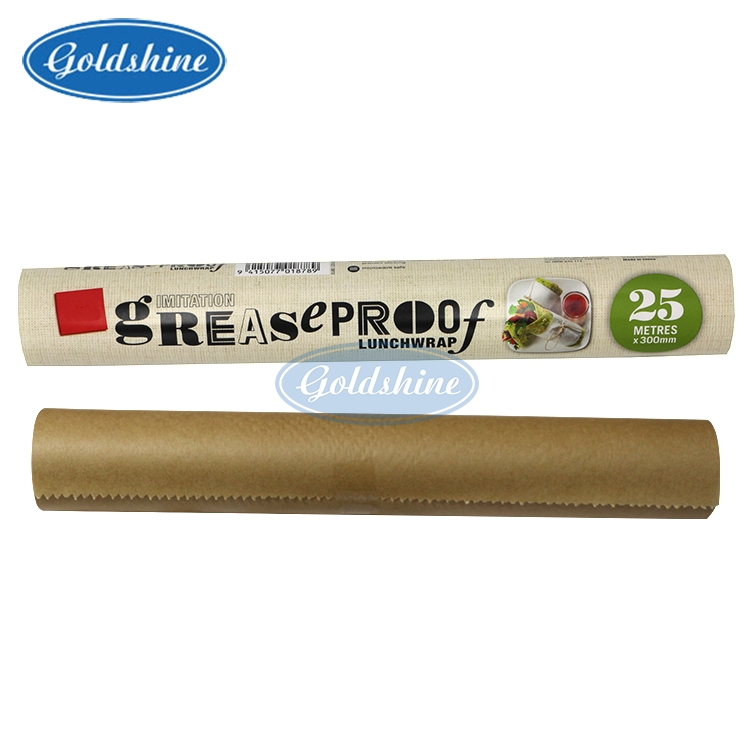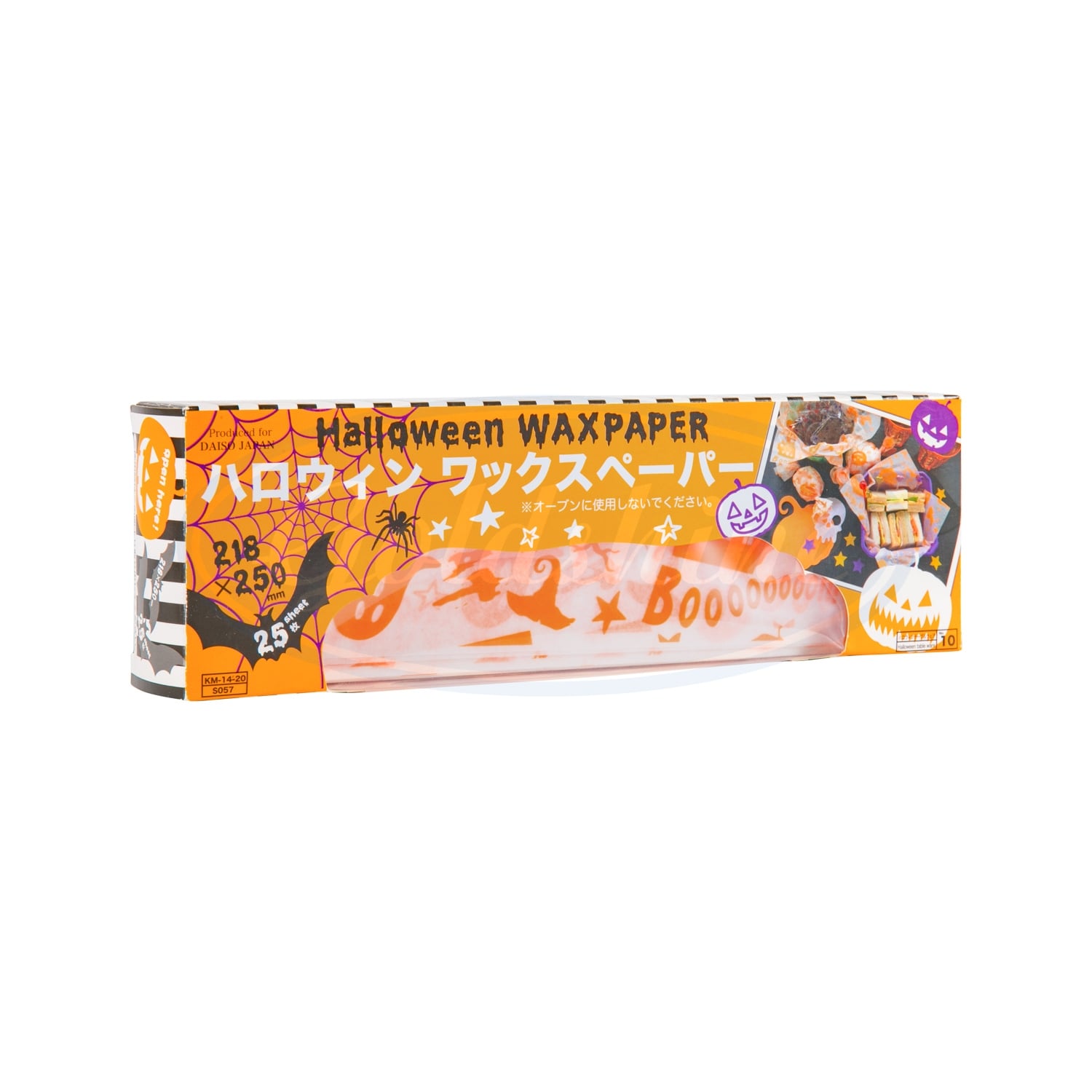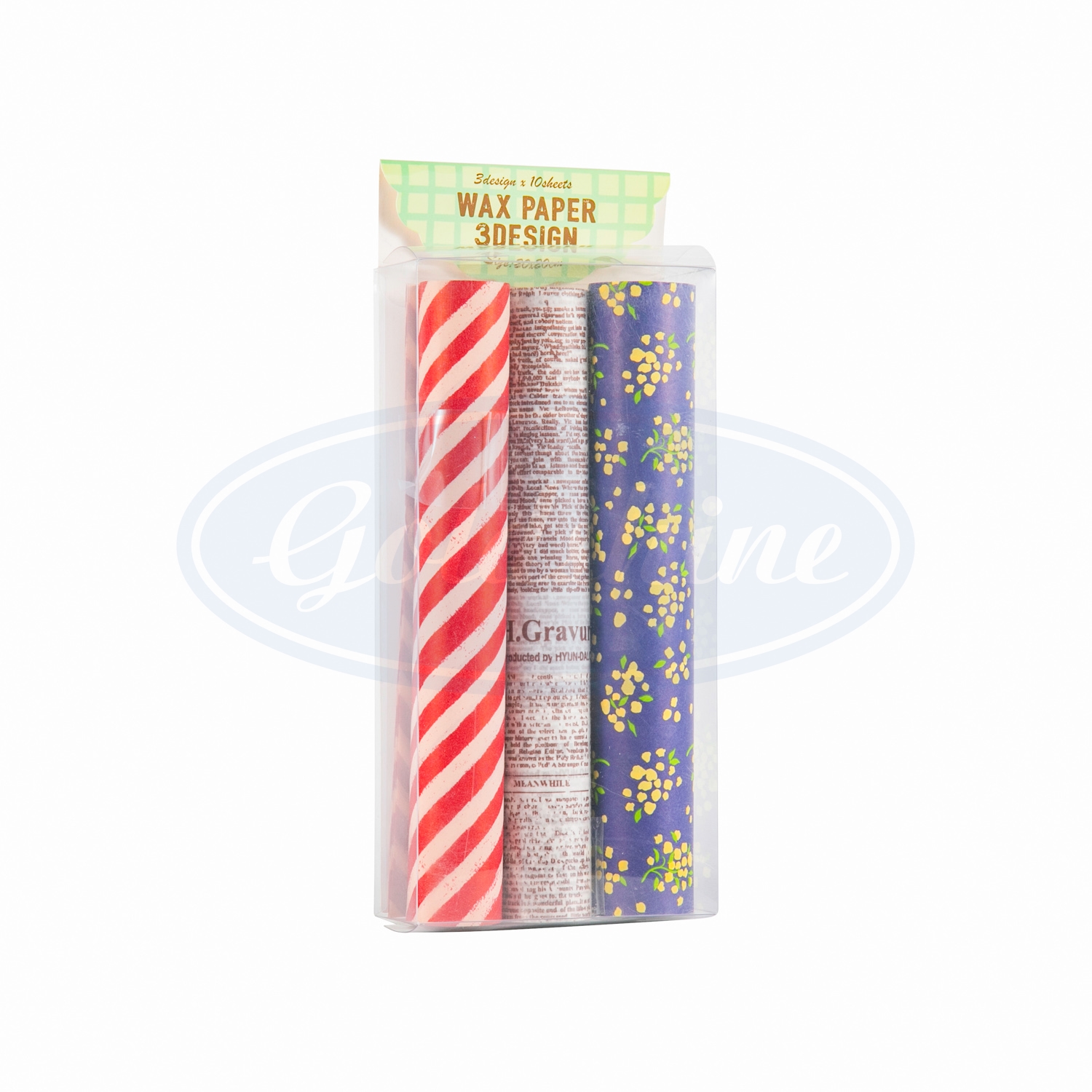
Wax paper for food wrapping is a versatile and essential material for the food industry, providing an effective barrier against moisture and grease while ensuring food remains fresh. As B2B buyers, purchasing managers, and distributors, your main concerns often focus on quality, suitability for specific applications, and compliance with safety standards. This article will guide you through the critical aspects of selecting and sourcing wax paper for food wrapping, addressing specifications, comparisons with alternatives, common issues, and cost factors.
Selecting the correct wax paper for food wrapping applications involves understanding your specific needs, such as the type of food being wrapped, the required shelf life, and storage conditions.
First, consider the type of wax coating used. Paraffin wax is common due to its moisture resistance and relatively low cost, while soy wax offers a more sustainable option. The thickness of the wax paper wrapping food also matters; a heavier weight paper will provide a better barrier and durability, especially for items that will be exposed to moisture or oil.
Another key consideration is the paper's performance in various temperature conditions. If the wax paper will be used in a freezer, ensure it has been tested for low-temperature functionality to prevent cracking or breaking. Additionally, confirm whether the wax paper is food-safe and complies with industry standards, such as those set by SGS or other certifications.
Finally, think about customization options. Depending on your brand requirements, you may want to print logos or specific designs on the wax paper, so it's crucial to discuss these needs with your supplier.
When sourcing wax paper for food wrapping in bulk, several key specifications must be evaluated to ensure you select the right product for your needs:
Material Composition: Understand whether the wax paper for wrapping is made from virgin or recycled fiber. Virgin fibers typically offer better performance but may have higher costs.
Thickness (GSM): The thickness of the paper, measured in grams per square meter (GSM), affects durability and the ability to resist moisture and grease. For food wrapping, a thickness of 30-50 GSM is common, but specific requirements may vary based on application.
Width and Length: Common widths for wax paper rolls range from 12 to 24 inches, with lengths varying based on packaging. Ensure that the dimensions align with your packaging machinery or manual wrapping methods.
Wax Type: As mentioned earlier, the type of wax coating impacts performance. Paraffin is generally cheaper, while natural waxes, like soy, may appeal more to environmentally conscious brands.
Certifications: Verify that the wax paper meets relevant food safety standards. Certifications such as BSCI, KOSHER, and SASO can assure you of the product's safety and compliance with regulations.
While wax paper is a popular choice for food wrapping, it’s essential to compare it with alternative materials to make an informed decision.
Plastic Wrap: Unlike wax paper, plastic wrap provides a tighter seal against air but may not be suitable for high-temperature applications like baking. Plastic is also less eco-friendly, making it less desirable for sustainable brands.
Aluminum Foil: Aluminum foil offers superior insulation and is ideal for wrapping hot foods or for use in ovens. However, it can be more expensive and may not be recyclable in all regions.
Parchment Paper: Typically used in baking, parchment paper is heat-resistant and greaseproof but does not provide the same moisture barrier as wax paper. It's best for dry foods and baking applications rather than direct food wrapping.
To select the best option, consider the specific food items, their storage conditions, and your brand's sustainability goals.
Despite its advantages, wax paper can present specific challenges in food wrapping applications. Here are some common problems and their solutions:
Tearing or Ripping: If the wax paper tears easily, this could be due to insufficient thickness or poor-quality materials. Ensure you choose a higher GSM paper designed for food wrapping.
Wax Migration: In some instances, the wax can migrate into the food, especially when in contact with oily items. Opt for food-safe products that minimize this risk, and consider conducting a migration test on samples.
Limited Temperature Resistance: Wax paper may not perform well in high-temperature environments. If you require heating or baking, consider alternatives such as parchment or aluminum foil.
Compromised Barrier: If the wax paper does not maintain its barrier properties, it may allow moisture or air to penetrate. Look for products with enhanced moisture resistance or those that have undergone rigorous testing for performance under various conditions.
Zhangjiagang Goldshine Aluminum Foil Co., Ltd was established in 2010 and has over 14 years of experience in household aluminum foil production. With a land area exceeding 10,000 square meters, the company boasts a seasoned team in sales, production, quality inspection, research and development, and after-sales service, forming an integrated collaborative system. Our main products include aluminum foil rolls, aluminum foil sheets, aluminum foil containers, baking paper, cling film, aluminum foil rewinding machines, aluminum foil container making machines, aluminum foil packaging machines, and various other diversified products.
Goldshine company has established an efficient response mechanism to ensure that customers can quickly get attention when they encounter problems. Customers can contact our after-sales team at any time through multiple channels, such as telephone, email, online customer service platform and so on. Once we receive customer feedback, we promise to make an initial response within one hour, understand the general situation of the problem, and inform the customers of the action steps we are about to take.
Aluminum foil itself is non-toxic and odorless, and complies with strict food safety and pharmaceutical packaging standards. When it comes into direct contact with various kinds of food and pharmaceuticals, it will not release harmful substances, thus providing a safe and reliable packaging environment for the products. Whether in the process of high-temperature sterilization or during long-term storage, aluminum foil can adhere to the safety bottom line and become an important safeguard for protecting consumers' health.
Aluminum foil has an extremely strong barrier ability against oxygen, water vapor, light rays and so on. In terms of food packaging, it can effectively prevent food from oxidizing, deteriorating, getting damp, and losing nutritional components or changing in flavor due to the influence of light.Aluminum foil can conduct heat rapidly and is widely used in cooking utensils. For example, aluminum foil paper used in baking can make food heated evenly, speed up the cooking process, and at the same time, it can also prevent food from getting burnt and sticking to the baking pan, which makes cleaning convenient.
When purchasing wax paper for food wrapping in bulk, several cost factors should be taken into account to optimize your investment:
Material Costs: The choice of wax and paper quality significantly impacts the price. Natural or specialty waxes may increase costs but can provide better performance or sustainability.
Order Quantity: Bulk purchasing often results in lower per-unit costs. Evaluate your usage patterns to determine the optimal order size that balances inventory needs with budget constraints.
Customization Costs: If you require custom printing or sizing, factor in additional costs for design and production adjustments. It’s advisable to request quotes from multiple suppliers to compare these costs.
Shipping and Handling: Consider logistics costs, particularly if you are importing the product. Freight costs can add significantly to the overall expense, so discuss this with your supplier to find the most economical shipping options.
Quality Assurance: Investing in higher-quality products may reduce waste and improve customer satisfaction, resulting in lower overall costs in the long term. Consider implementing a quality control process to inspect initial batches against your specifications before mass production.
By addressing these factors, you can better manage your budget while ensuring you receive a product that meets your operational needs.
Copyright © Zhangjiagang Goldshine Aluminium Foil Co., Ltd. All Rights Reserved