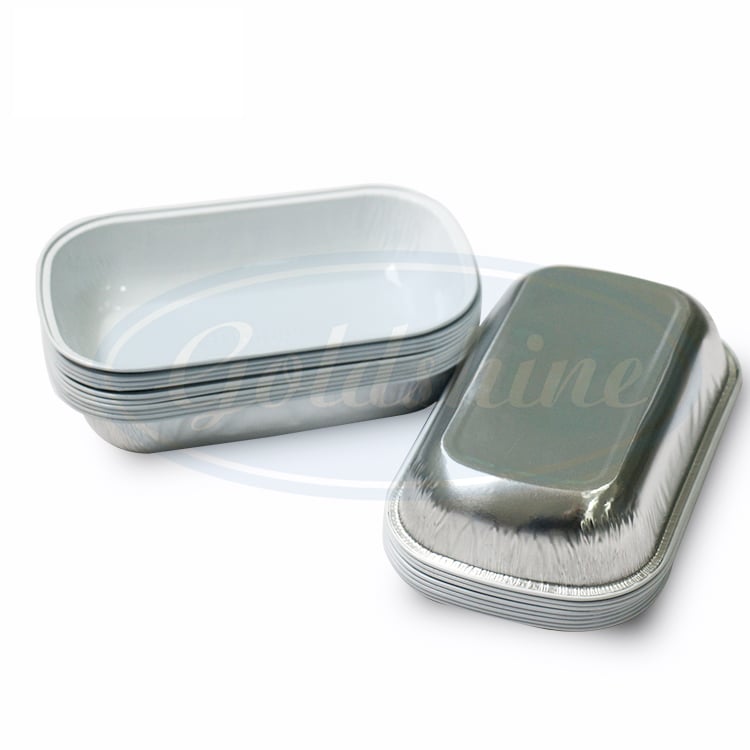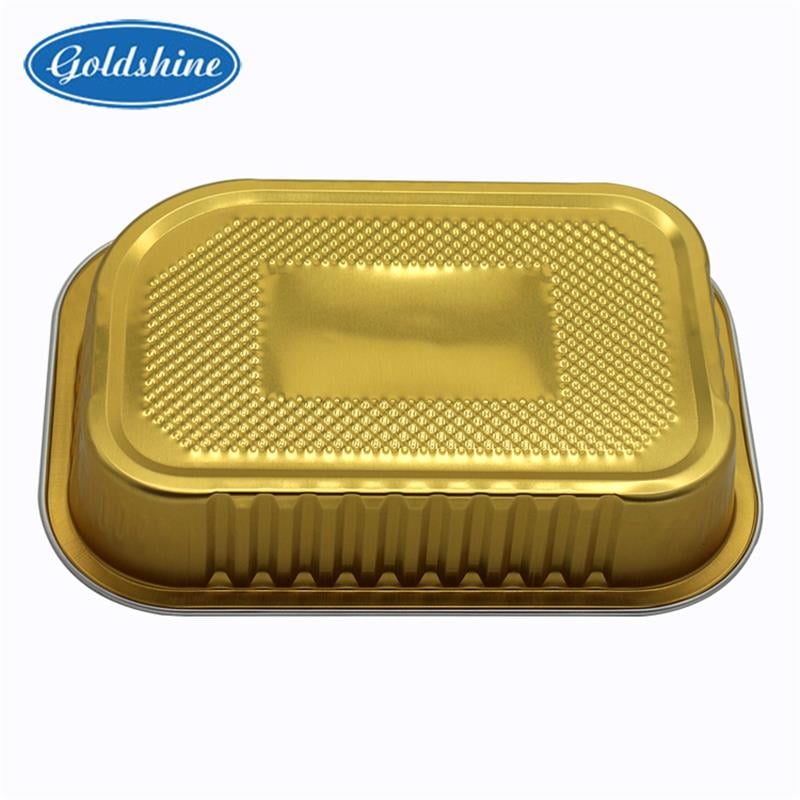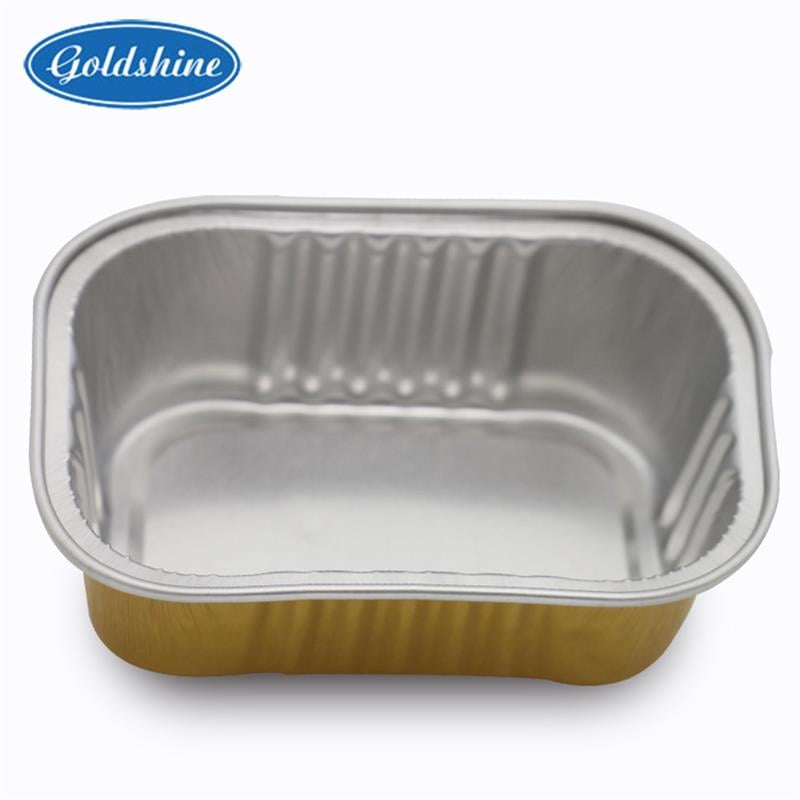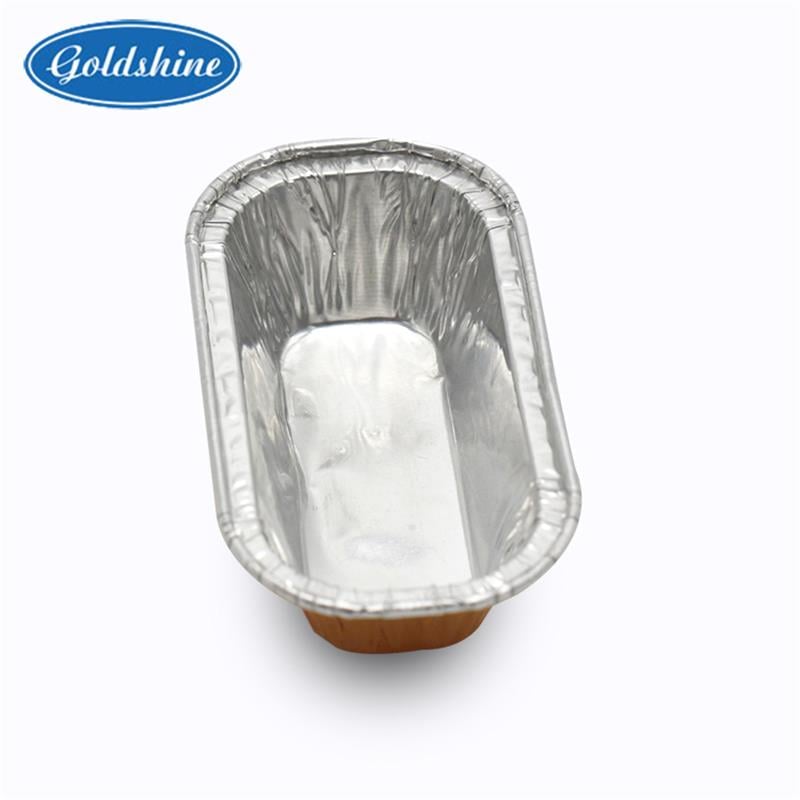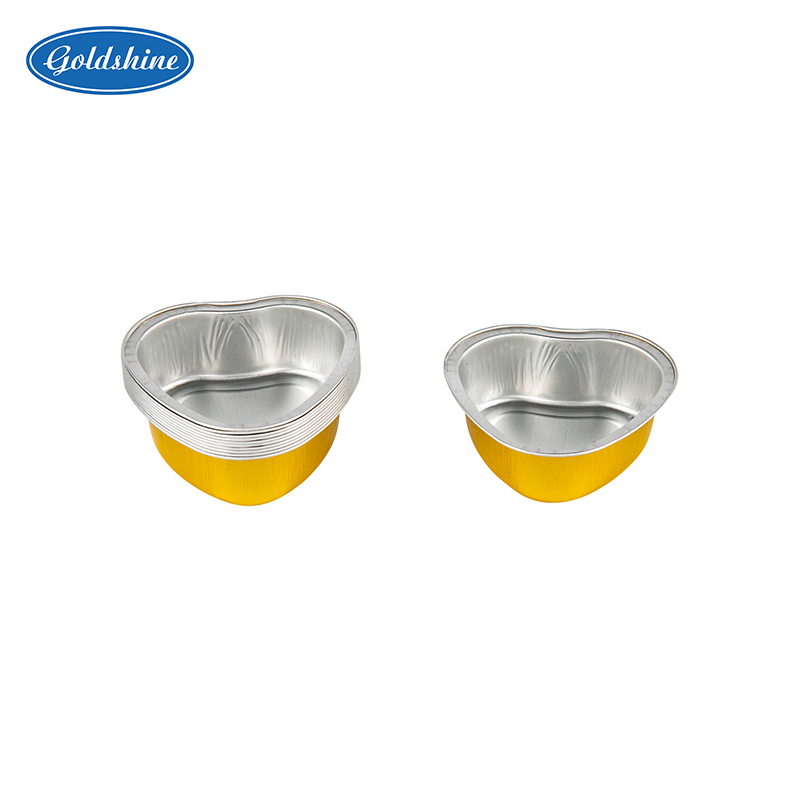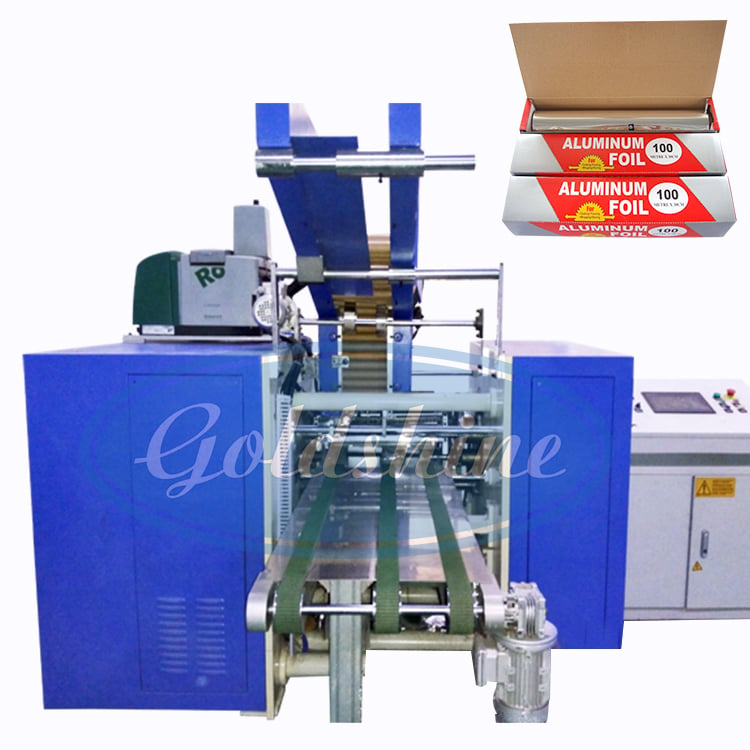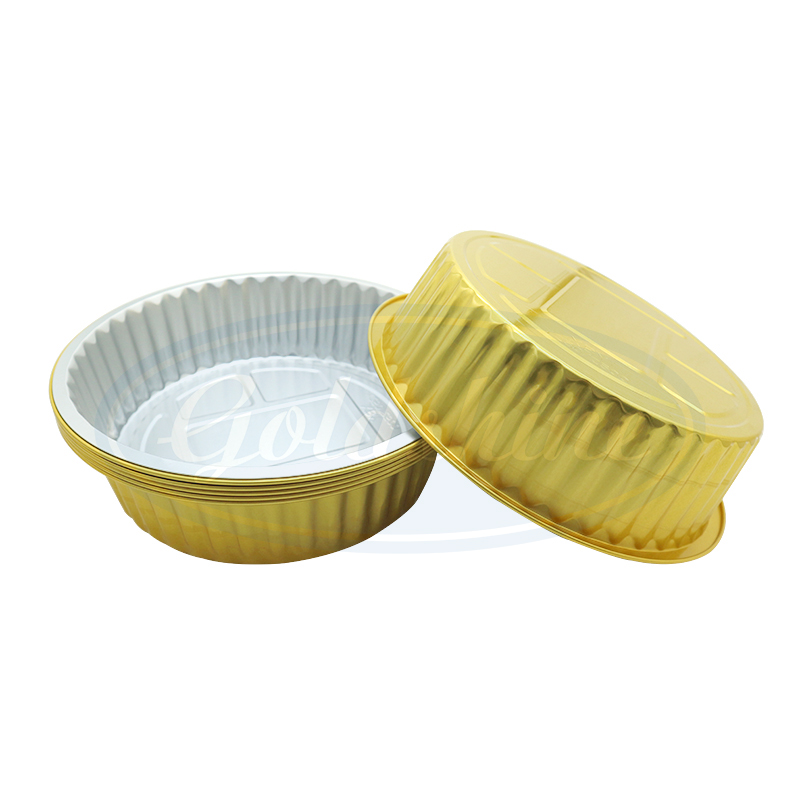
Aluminum food boxes are essential products in the food service industry, offering a versatile solution for food storage, packaging, and transport. As a purchasing manager or distributor, understanding the features and specifications of aluminum foil container making machine food boxes is crucial for making informed decisions. This article aims to guide you through the selection process, highlight essential features, and address common concerns related to aluminum food boxes, ensuring you choose the right product for your business needs.
When selecting aluminum food boxes for bulk orders, consider the specific requirements of your application. Key factors include dimensions, capacity, and intended use. For example, boxes designed for hot or cold meals may require different thicknesses and sealing methods to maintain temperature and prevent leaks. Additionally, verify the material grade to ensure it meets food safety standards.
It's also important to assess the manufacturer's capabilities. Goldshine has extensive experience in producing high-quality aluminum foil making machine products, which can give you confidence in consistency and reliability. Inquire about their ability to fulfill your order volume, lead times, and any customization options available to meet your specific needs.
When evaluating aluminum food boxes, focus on the following specifications:
Material Quality: Ensure the aluminum container making machine used is food-grade and meets relevant certifications such as SGS, TUV, or BSCI. This is essential for maintaining food safety and quality.
Thickness: The gauge of the aluminum affects durability and insulation properties. Thicker materials can better withstand transportation stresses and are less prone to bending or breaking.
Sealing and Closure Systems: Look for boxes with secure lids that prevent contamination and spillage. The sealing method (e. g., Snap-on lids, heat sealing) should align with your intended use, be it for delivery or long-term storage.
Size Varieties: Aluminum food boxes come in various sizes. Ensure that the dimensions you choose align with your food portioning needs to optimize storage and transport efficiency.
Sustainability: Consider manufacturers that focus on sustainable practices, such as recycling capabilities and eco-friendly materials. This is increasingly important for businesses looking to enhance their environmental credentials.
While aluminum food boxes are generally reliable, common issues can arise during use. Here are some problems and potential solutions:
Leaking: If boxes are not properly sealed, they may leak. Ensure that the chosen box has a reliable sealing mechanism and is tested for leak resistance during the supplier’s quality checks.
Bending or Warping: Thinner colored aluminum foil can bend or warp under pressure. Opt for thicker materials that can withstand heavier loads and maintain their shape during transport.
Corrosion: Exposure to moisture can lead to corrosion. Confirm that the aluminum is treated or coated to resist oxidation, especially if the food items are high in acidity.
Incompatibility with Certain Foods: Some acidic or oily foods can react with aluminum. Verify with the manufacturer which types of food are suitable for storage in their aluminum food boxes.
Installing aluminum food boxes in a commercial kitchen or food service environment requires careful consideration of workflow and storage needs. Here are practical steps for effective installation:
Assess Workflow: Determine how food will be prepared, transferred, and stored. Place aluminum food boxes in areas that facilitate easy access without obstructing workspaces.
Temperature Control: If using for hot foods, ensure that they are placed in areas that maintain the necessary temperature. Consider additional insulation or heating solutions if required.
Easy Access and Organization: Use shelving or racks to organize the boxes, ensuring that they are easy to reach while minimizing movement. Labeling boxes can also improve efficiency in busy environments.
Training Staff: Train staff on the best practices for handling and using aluminum food boxes, including how to properly seal and stack them to prevent damage.
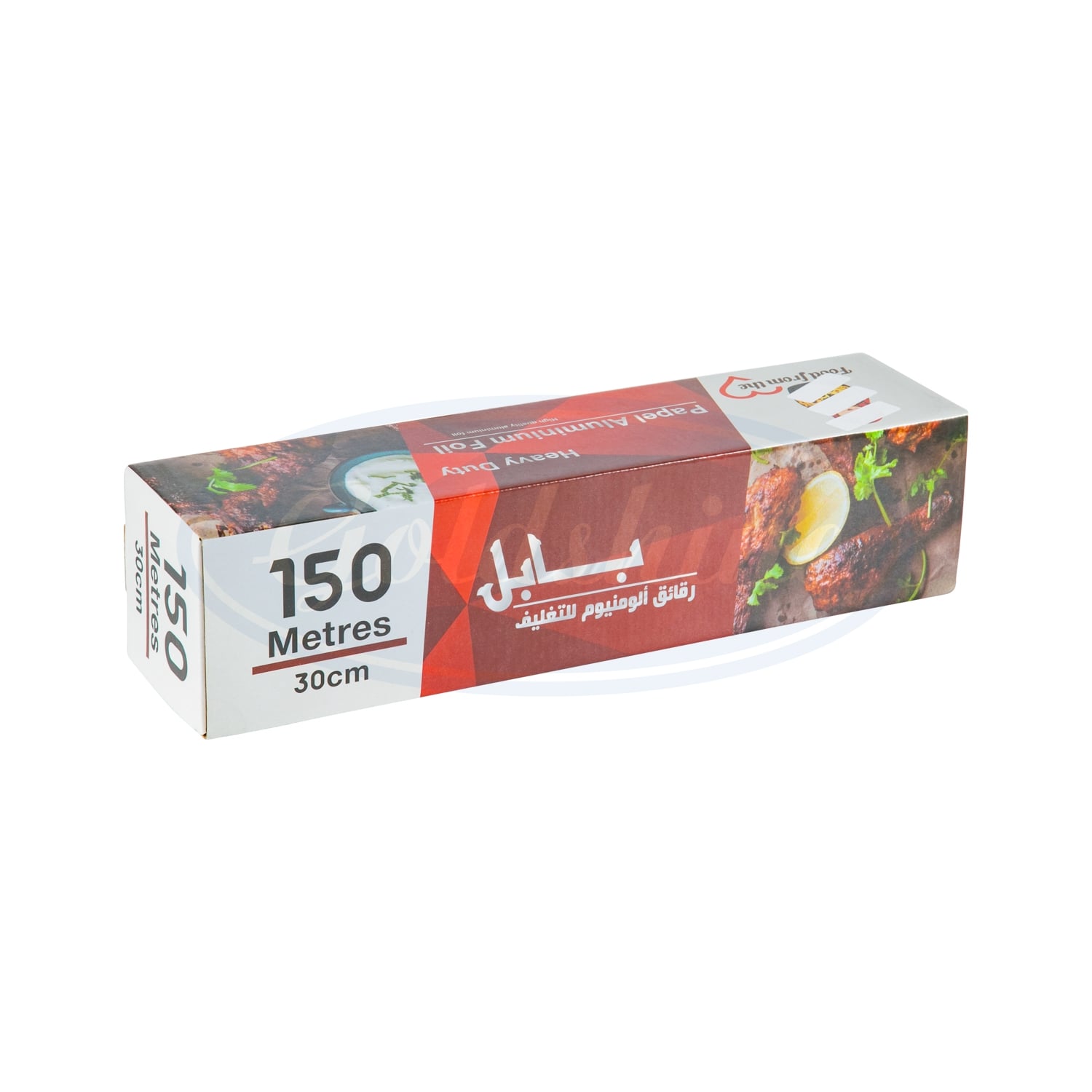
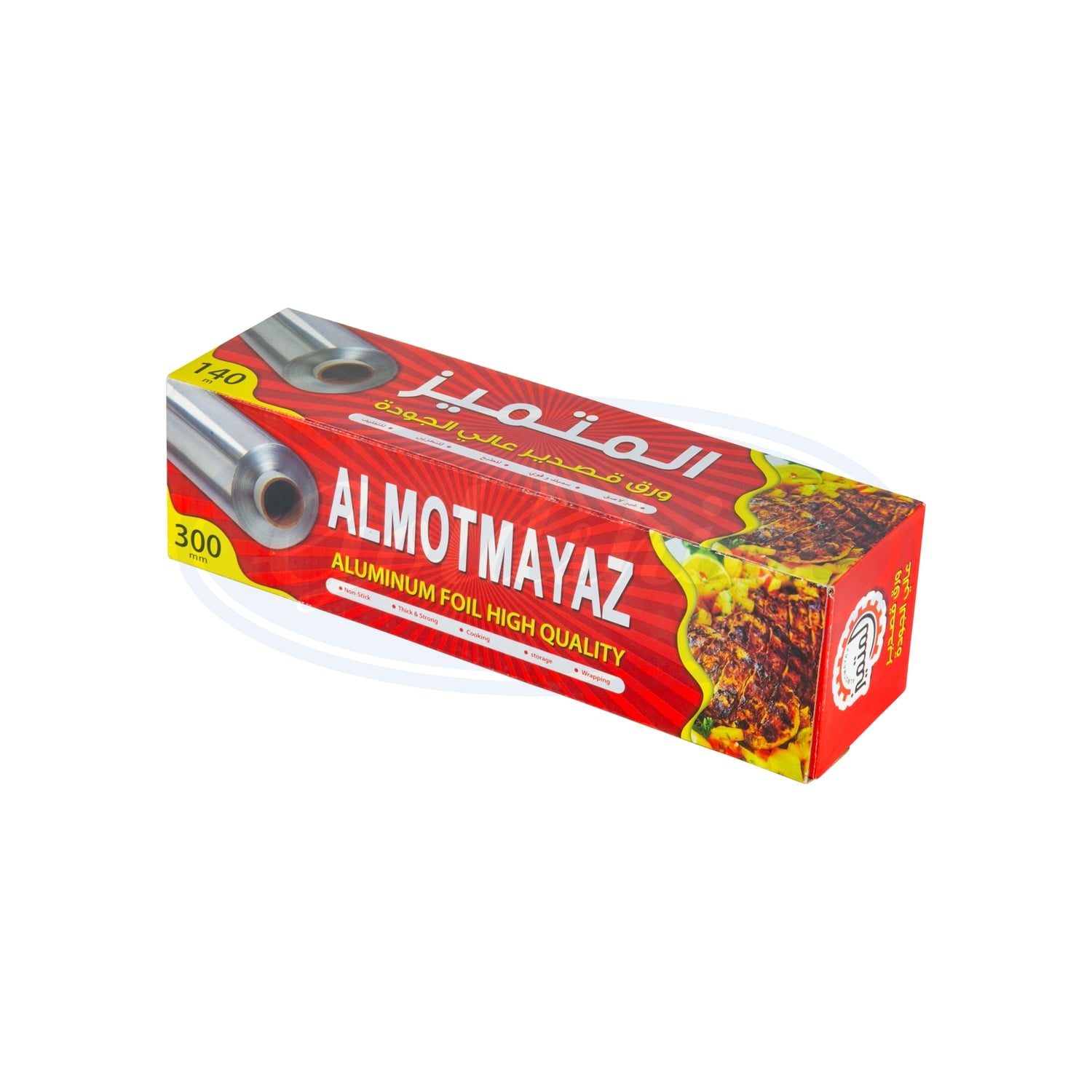
Aluminum foil has an extremely strong barrier ability against oxygen, water vapor, light rays and so on. In terms of food packaging, it can effectively prevent food from oxidizing, deteriorating, getting damp, and losing nutritional components or changing in flavor due to the influence of light.Aluminum foil can conduct heat rapidly and is widely used in cooking utensils. For example, aluminum foil paper used in baking can make food heated evenly, speed up the cooking process, and at the same time, it can also prevent food from getting burnt and sticking to the baking pan, which makes cleaning convenient.
Goldshine company has established an efficient response mechanism to ensure that customers can quickly get attention when they encounter problems. Customers can contact our after-sales team at any time through multiple channels, such as telephone, email, online customer service platform and so on. Once we receive customer feedback, we promise to make an initial response within one hour, understand the general situation of the problem, and inform the customers of the action steps we are about to take.
Aluminum foil itself is non-toxic and odorless, and complies with strict food safety and pharmaceutical packaging standards. When it comes into direct contact with various kinds of food and pharmaceuticals, it will not release harmful substances, thus providing a safe and reliable packaging environment for the products. Whether in the process of high-temperature sterilization or during long-term storage, aluminum foil can adhere to the safety bottom line and become an important safeguard for protecting consumers' health.
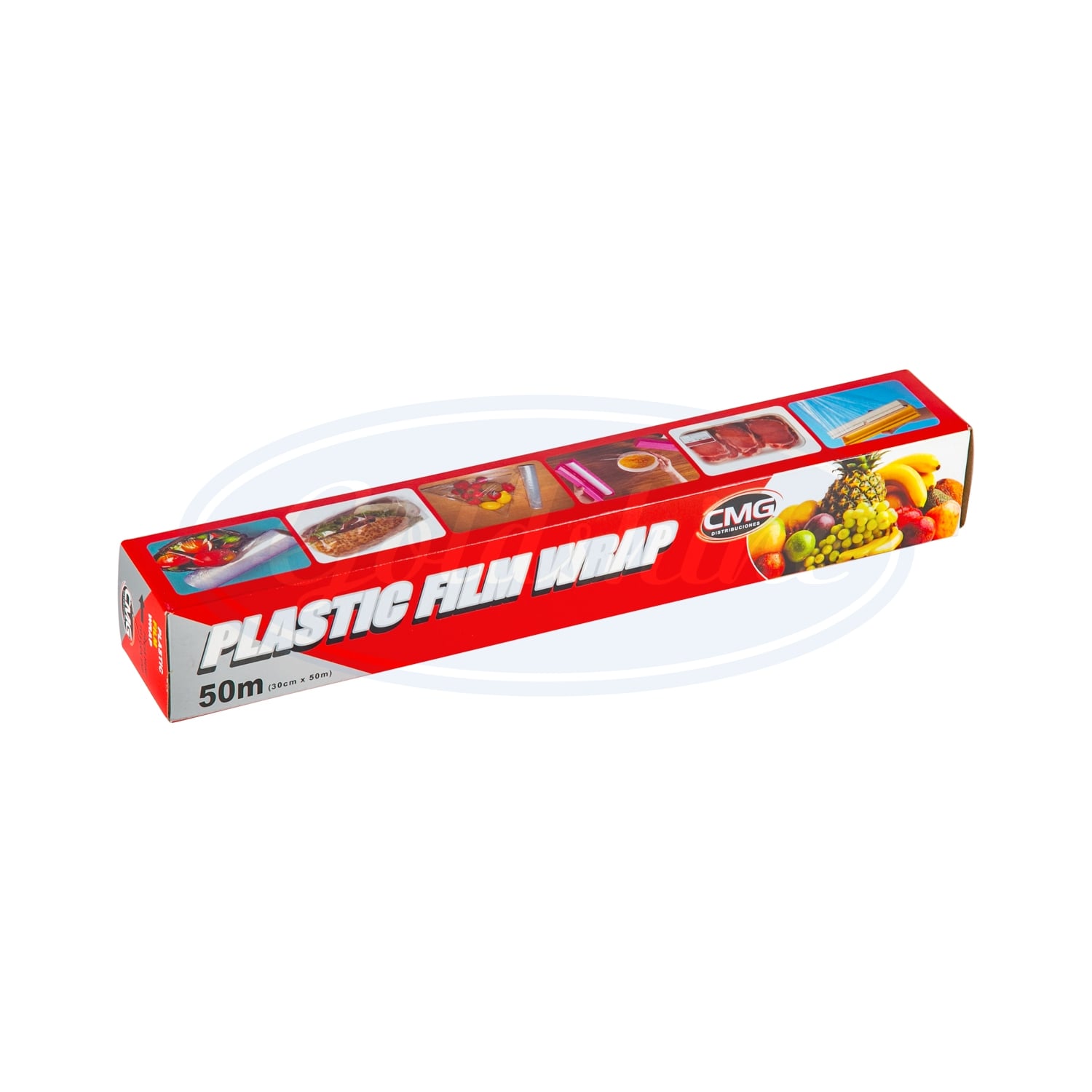
Zhangjiagang Goldshine Aluminum Foil Co., Ltd was established in 2010 and has over 14 years of experience in household aluminum foil production. With a land area exceeding 10,000 square meters, the company boasts a seasoned team in sales, production, quality inspection, research and development, and after-sales service, forming an integrated collaborative system. Our main products include aluminum foil rolls, aluminum foil sheets, aluminum foil containers, baking paper, cling film, aluminum foil rewinding machines, aluminum foil container making machines, aluminum foil packaging machines, and various other diversified products.
When budgeting for aluminum food boxes, several cost factors should be considered:
Material Costs: Higher-quality aluminum may come at a premium. Balance your need for durability with your budget constraints.
Customization: Custom sizes or features (e. g., specific sealing methods) can increase costs. Determine if customization is necessary for your applications.
Volume Discounts: Many manufacturers, including Goldshine, may offer price breaks for bulk orders. Inquire about minimum order quantities (MOQ) and potential discounts.
Shipping and Handling: Consider the costs associated with shipping, particularly if you're importing from overseas. Factor in customs duties and any additional handling fees.
Warranty and Quality Assurance: Investing in products backed by strong quality assurance measures may save costs in the long run by reducing failures and replacements.
By understanding these factors, you can make informed decisions and negotiate better terms with suppliers like Goldshine, ultimately leading to a more cost-effective purchase of aluminum food boxes.
Copyright © Zhangjiagang Goldshine Aluminium Foil Co., Ltd. All Rights Reserved