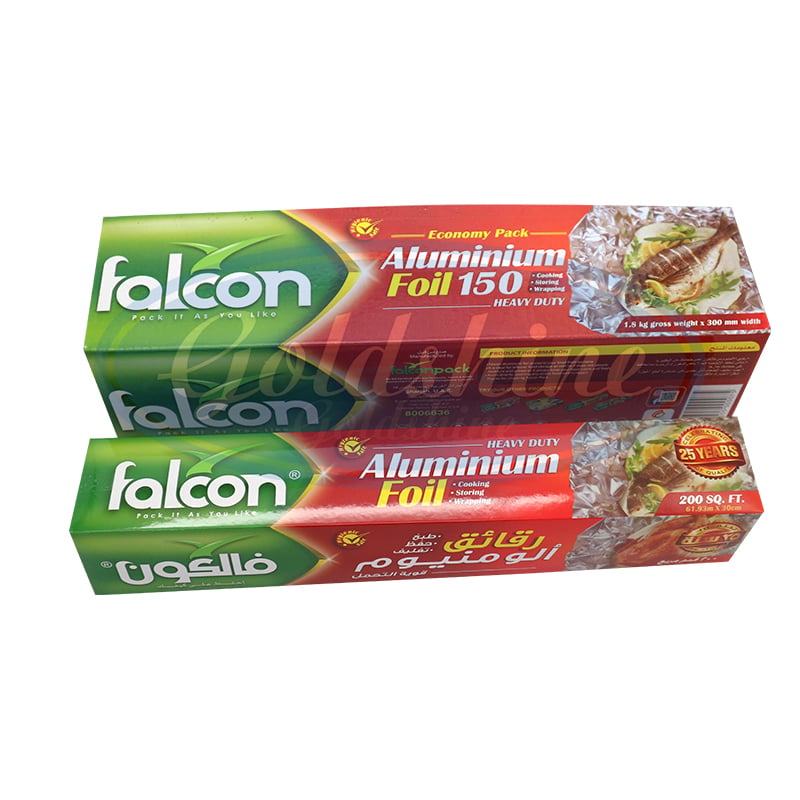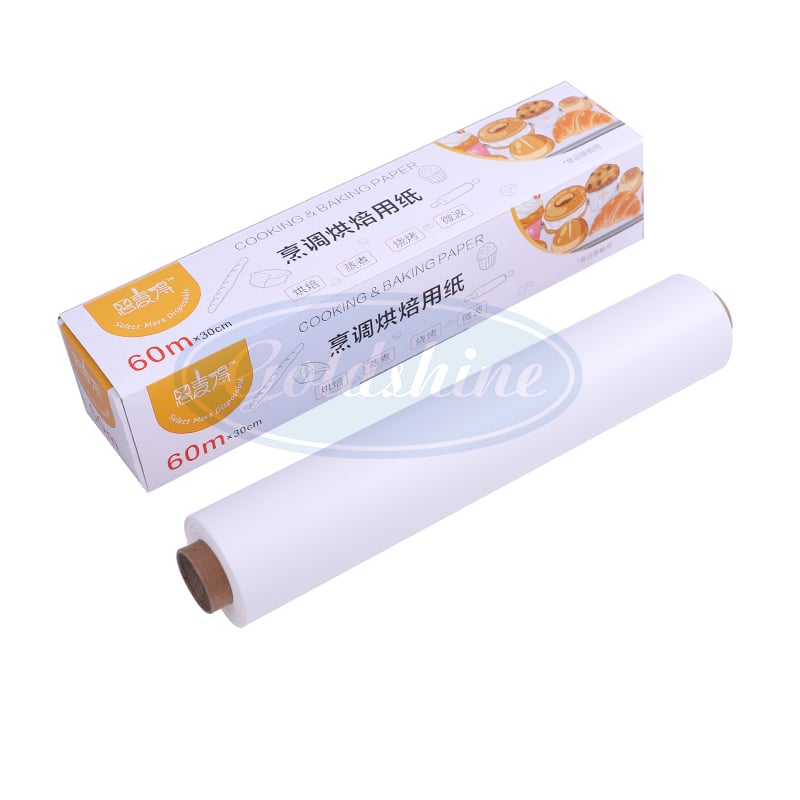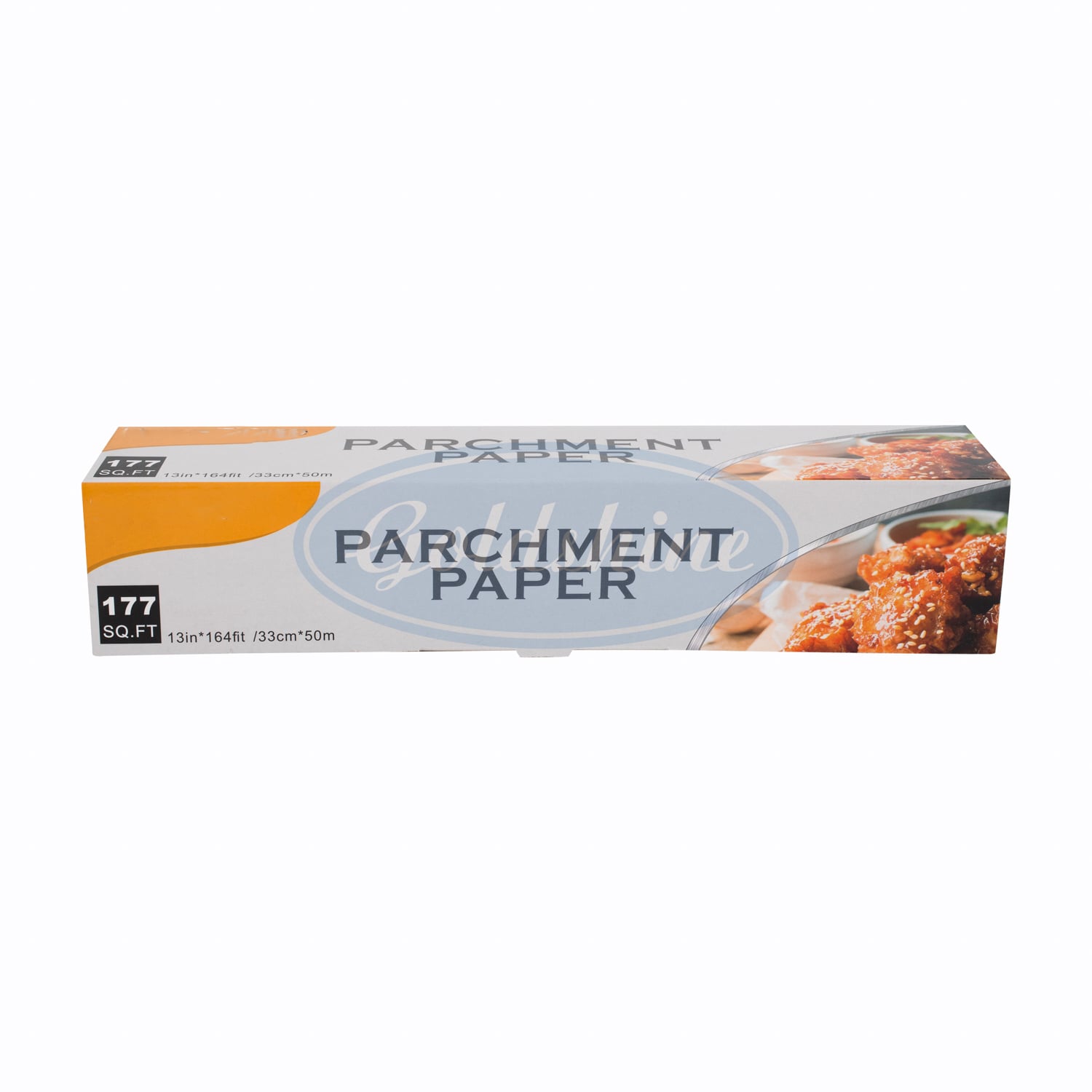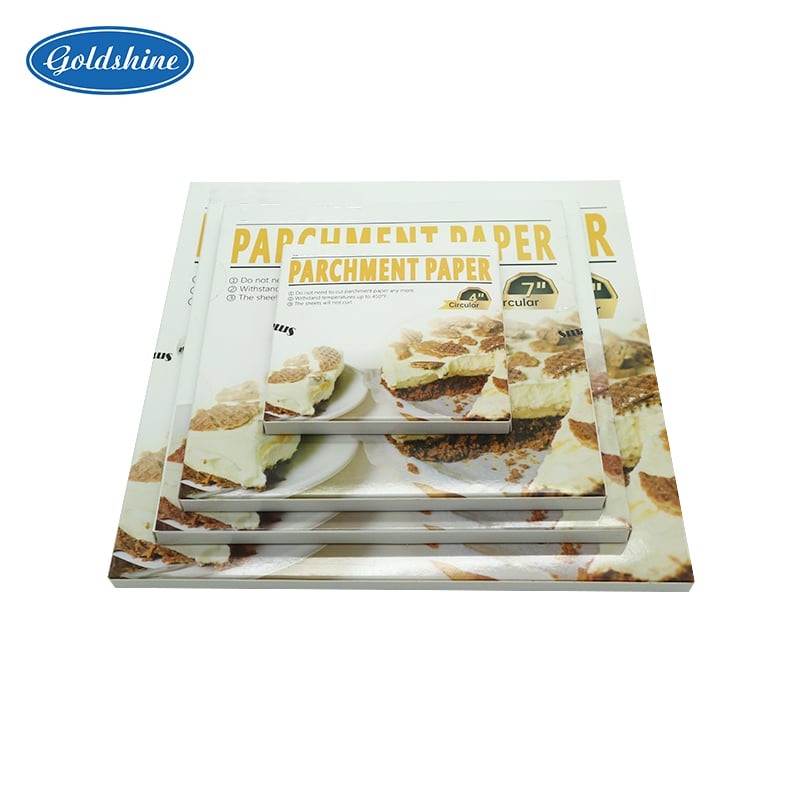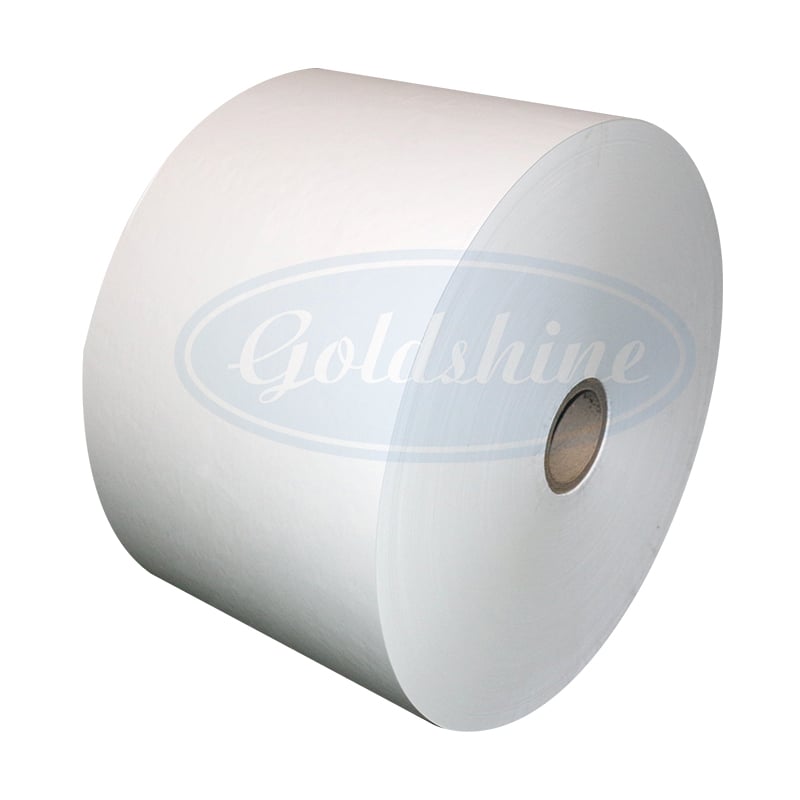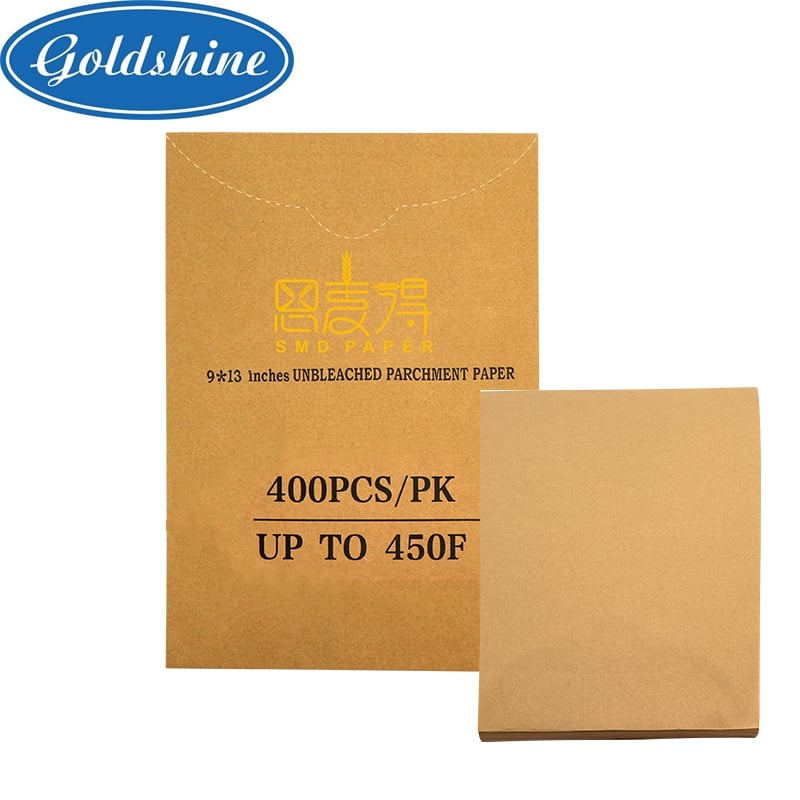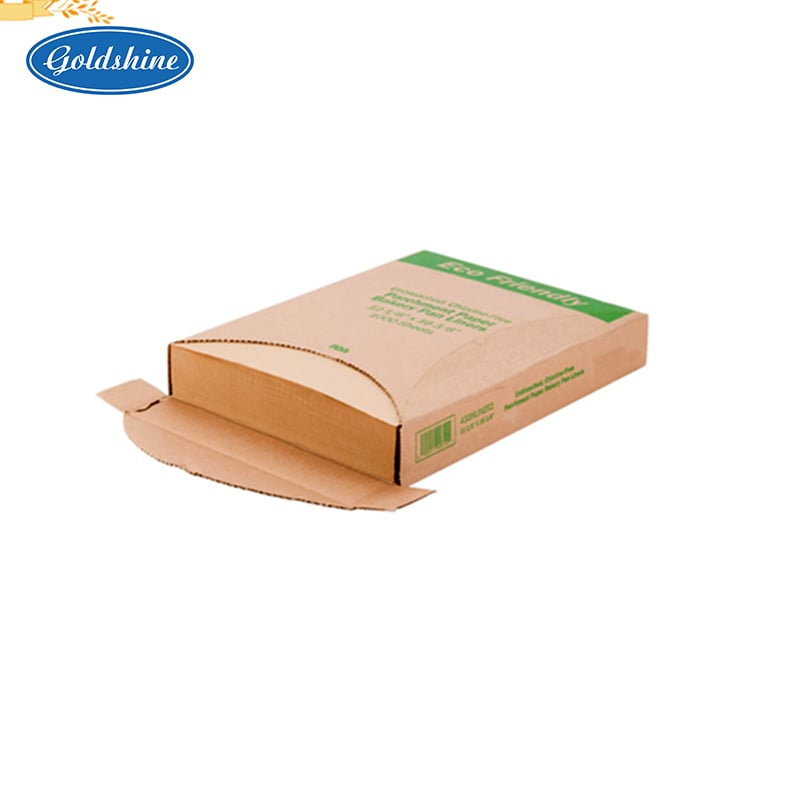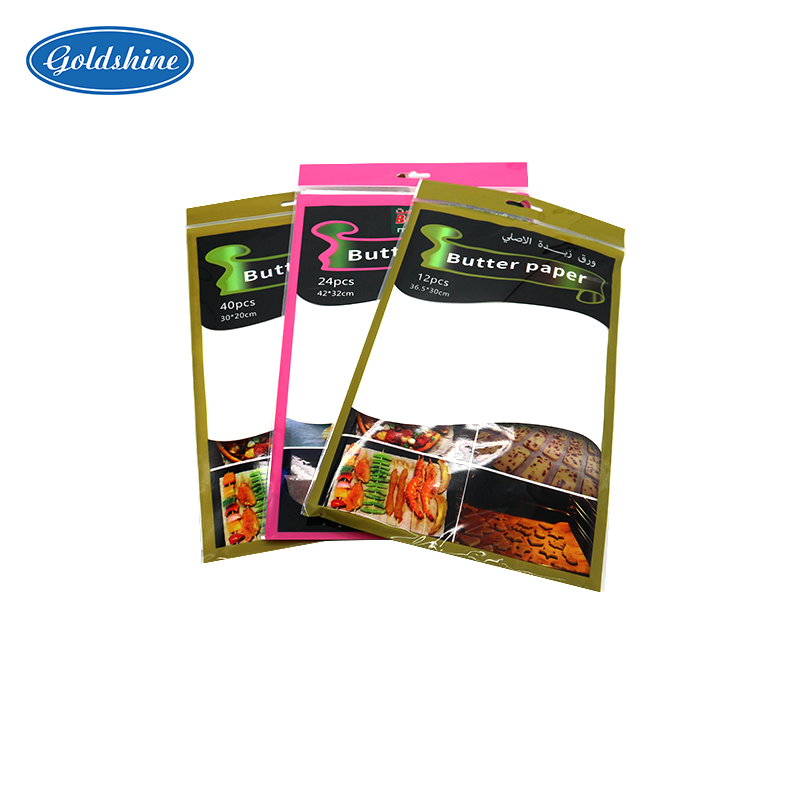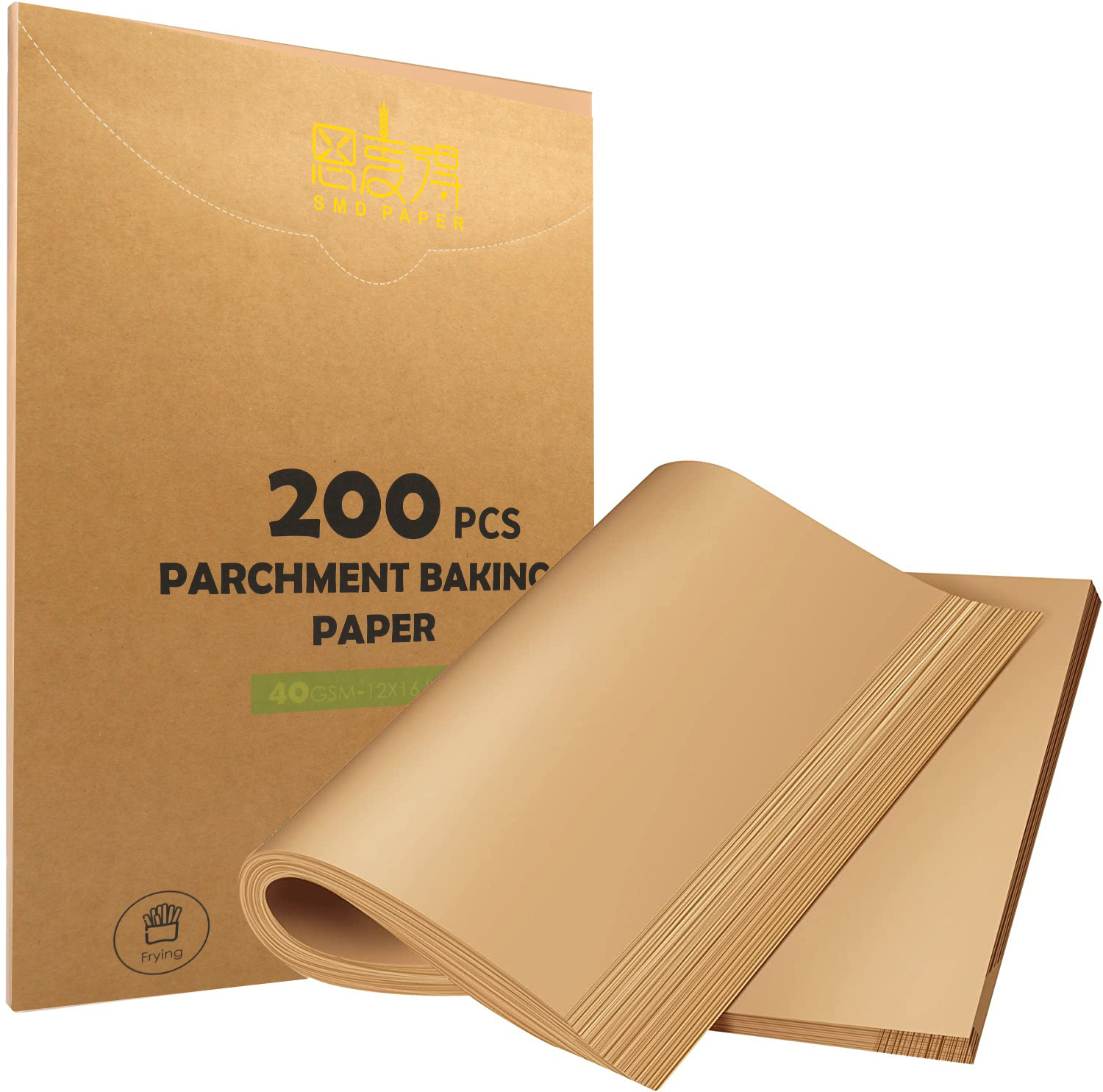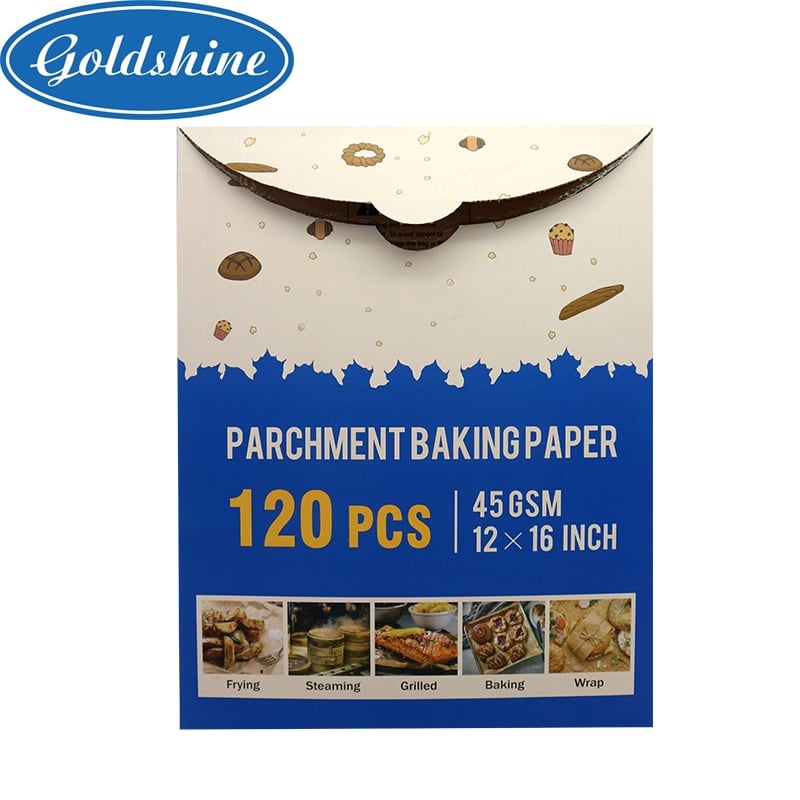
Delicatessen paper is a specialized type of food-grade paper used primarily in the preparation and packaging of deli meats, cheeses, and other food items. B2B buyers, such as purchasing managers and distributors, often seek delicatessen paper that meets specific performance criteria, such as durability, moisture resistance, and food safety standards. This article will guide you through the essential specifications, key considerations, and practical insights for selecting high-quality baking paper sheets, ensuring you make informed purchasing decisions.
When sourcing delicatessen paper, it’s crucial to understand the specifications that affect its performance. Key specifications include:
Material Composition: Wax paper for baking from Goldshine is typically made from food-grade paper that is often coated with a wax or polyethylene layer for moisture resistance. The choice of material impacts the paper’s barrier properties, which are vital for preserving the quality of perishable items.
Thickness and Weight: The thickness can vary, with common weights ranging from 30 to 60 grams per square meter (gsm). A thicker paper may provide better durability and resistance to tearing, while a lighter paper might be more economical but could compromise performance.
Food Safety Standards: Look for papers that comply with relevant food safety certifications, such as FDA-approved or KOSHER certifications. These certifications indicate that the paper is safe for direct contact with food items.
Buyers should ensure that the specifications align with their specific needs, such as the types of products being packaged and the storage conditions.
Choosing the right delicatessen paper involves several considerations:
Barrier Properties: Assess the paper’s resistance to moisture and grease. For instance, deli meats release moisture that can compromise the integrity of the packaging. Papers with enhanced moisture barriers will help maintain freshness.
Printability: If branding is essential, ensure that the paper is compatible with printing processes. butter paper sheets are designed for custom printing can enhance product presentation and marketing.
Sustainability: As environmental concerns grow, consider sourcing delicatessen paper that is recyclable or made from renewable resources. This aligns with sustainability goals and can appeal to eco-conscious consumers.
Customization Options: Many manufacturers, like Goldshine, offer customization options in terms of size, color, and branding. This can be beneficial for businesses looking to differentiate their products in a competitive market.
Proper handling and installation of delicatessen paper are essential for maximizing its benefits:
Storage Conditions: Store delicatessen paper in a cool, dry place to prevent moisture absorption, which can weaken the paper and affect its performance.
Cutting and Dispensing: If using rolls, ensure that cutting equipment is sharp and suitable for the paper thickness. A clean cut prevents fraying and ensures proper sealing when wrapping products.
Application Techniques: Use appropriate sealing methods, such as heat sealing or folding, to secure the paper around the product. This not only enhances presentation but also ensures food safety by preventing contamination.
Training staff on proper installation techniques can significantly reduce waste and improve overall packaging quality.
Buyers may encounter several common issues with delicatessen paper, including:
Tearing During Use: This can occur if the paper is too thin for the application. To mitigate this, select a thicker paper specifically designed for high-stress applications.
Moisture Leakage: If moisture seeps through the paper, consider switching to a pro uct with enhanced barrier properties. Additionally, ensure that the storage and handling processes do not compromise the paper's integrity.
Incompatibility with Printing: If printed labels bleed or smudge, verify that the ink used is compatible with the paper type. Conducting a test run before full production can help identify any issues.
Regular quality checks during production and before mass usage can help catch these problems early, ensuring that the final product meets quality standards.
Goldshine company has established an efficient response mechanism to ensure that customers can quickly get attention when they encounter problems. Customers can contact our after-sales team at any time through multiple channels, such as telephone, email, online customer service platform and so on. Once we receive customer feedback, we promise to make an initial response within one hour, understand the general situation of the problem, and inform the customers of the action steps we are about to take.
Aluminum foil has an extremely strong barrier ability against oxygen, water vapor, light rays and so on. In terms of food packaging, it can effectively prevent food from oxidizing, deteriorating, getting damp, and losing nutritional components or changing in flavor due to the influence of light.Aluminum foil can conduct heat rapidly and is widely used in cooking utensils. For example, aluminum foil paper used in baking can make food heated evenly, speed up the cooking process, and at the same time, it can also prevent food from getting burnt and sticking to the baking pan, which makes cleaning convenient.
Zhangjiagang Goldshine Aluminum Foil Co., Ltd was established in 2010 and has over 14 years of experience in household aluminum foil production. With a land area exceeding 10,000 square meters, the company boasts a seasoned team in sales, production, quality inspection, research and development, and after-sales service, forming an integrated collaborative system. Our main products include aluminum foil rolls, aluminum foil sheets, aluminum foil containers, baking paper, cling film, aluminum foil rewinding machines, aluminum foil container making machines, aluminum foil packaging machines, and various other diversified products.
Aluminum foil itself is non-toxic and odorless, and complies with strict food safety and pharmaceutical packaging standards. When it comes into direct contact with various kinds of food and pharmaceuticals, it will not release harmful substances, thus providing a safe and reliable packaging environment for the products. Whether in the process of high-temperature sterilization or during long-term storage, aluminum foil can adhere to the safety bottom line and become an important safeguard for protecting consumers' health.
For importers, understanding quality standards is essential when sourcing delicatessen paper:
Certifications: Ensure that the supplier holds necessary certifications such as SGS, TUV, or BSCI, which indicate compliance with international quality and safety standards.
Quality Control Processes: Inquire about the manufacturer’s quality control measures. Effective QC processes, including regular testing of raw materials and finished products, ensure consistency and reliability.
Production Capacity and Lead Times: Understand the manufacturer’s production capabilities and typical lead times. For instance, a company like Goldshine, with 26 advanced automated lines, can efficiently handle large orders, ensuring timely delivery.
Customization and MOQ: Clarify the minimum order quantity (MOQ) and customization capabilities, as these can influence your purchasing strategy and inventory management.
By paying close attention to these factors, importers can ensure they select a supplier capable of meeting their quality and operational needs.
In summary, selecting the right delicatessen paper requires a thorough understanding of specifications, potential issues, and quality standards. With the right information and guidance, B2B buyers can confidently make choices that align with their business needs and improve product offerings in the food industry.
Copyright © Zhangjiagang Goldshine Aluminium Foil Co., Ltd. All Rights Reserved