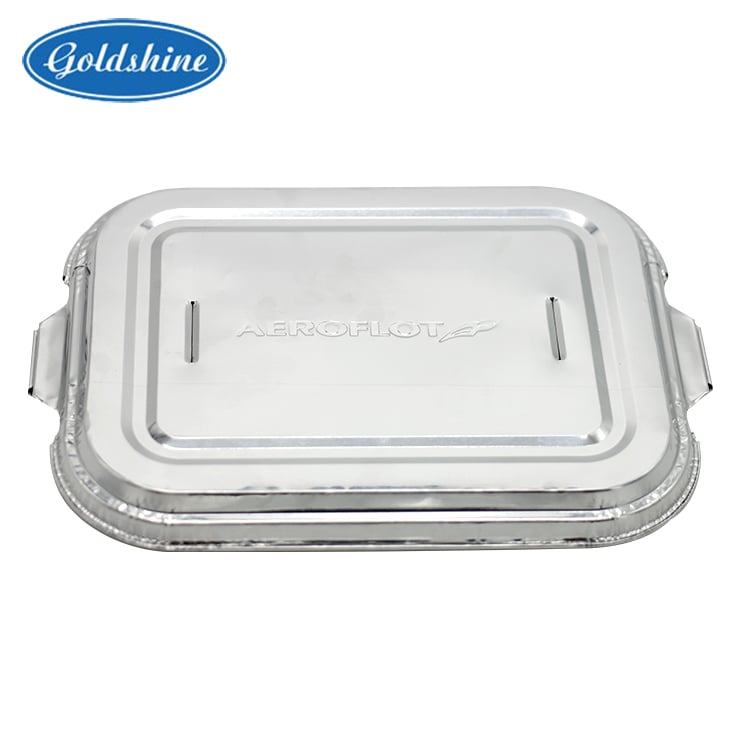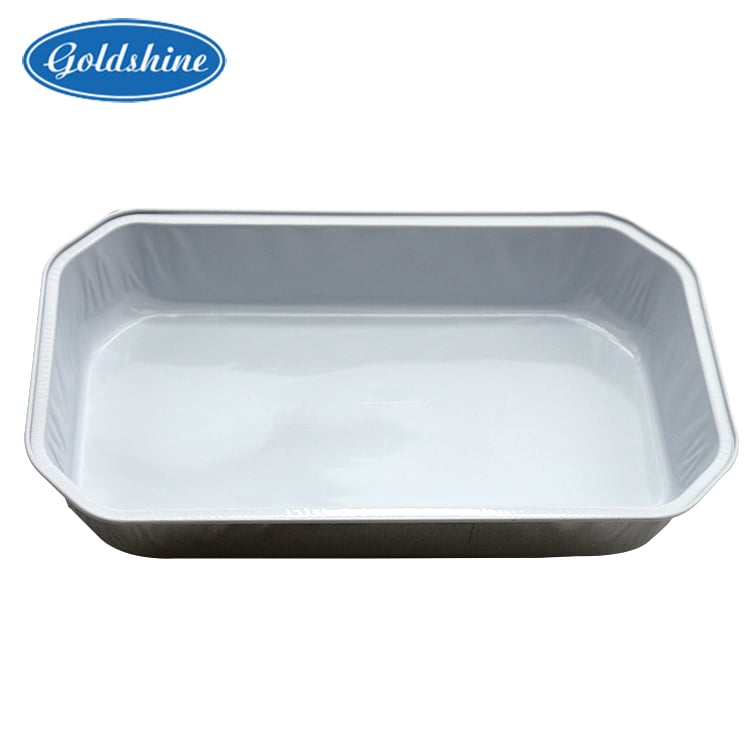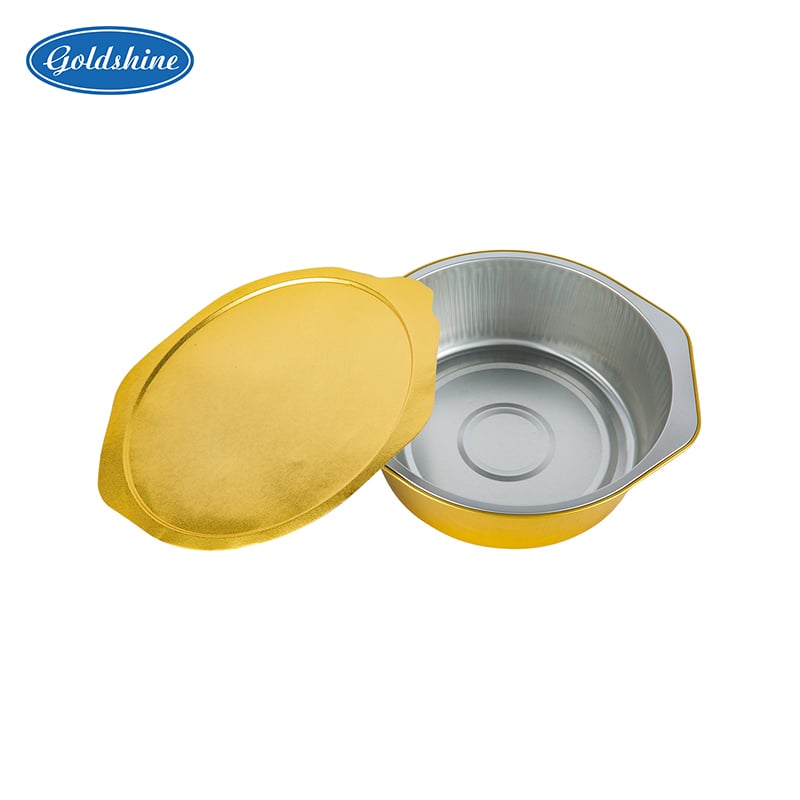
Aluminum food containers are essential for various applications in the food industry, including cooking, baking, and food preservation. When sourcing these aluminum foil food containers, B2B buyers often prioritize factors such as material quality, design specifications, and supplier reliability. This article will guide you through the key considerations for purchasing aluminum food containers, ensuring you make informed decisions that align with your operational needs and quality standards.
When selecting Goldshine aluminum food containers, several specifications are critical to ensure they meet your application requirements. Key factors include:
Material Thickness: The thickness of aluminum can significantly affect durability and insulation properties. Common thicknesses range from 30 to 45 microns, with thicker options providing better structural integrity during transport and handling.
Dimensions: Ensuring the correct dimensions is vital for compatibility with existing equipment and storage solutions. Custom sizes may be required depending on how the containers will be used.
Sealing and Lid Options: Consider whether you need lids that create a tight seal. Proper sealing helps maintain food freshness and prevents spills. Some aluminum food containers come with snap-on lids, while others may require additional sealing solutions.
Surface Treatment: The surface finish of aluminum containers can influence their usability, especially in direct food contact situations. Anodized or coated finishes may provide additional protection against corrosion and enhance food safety.
By understanding these specifications, buyers can better match products to their operational requirements and ensure compliance with food safety standards.
Quality control is paramount when ordering aluminum food containers in bulk. Here are several factors to consider:
Certifications: Verify that the manufacturer holds relevant certifications, such as SGS, TUV, or BSCI. These certifications indicate adherence to international quality and safety standards.
Quality Control Processes: Inquire about the supplier’s quality assurance protocols. Look for manufacturers that implement thorough inspection processes at various stages of production, including raw material sourcing, in-process checks, and final product evaluations.
Sample Approval: Before committing to a large order, request samples to evaluate the containers' performance under real-world conditions. This includes checking for structural integrity, usability, and compliance with your specifications.
Customer Feedback: Seek reviews or case studies from other buyers who have sourced from the supplier. Positive testimonials can provide insight into product reliability and customer service.
By focusing on these quality evaluation techniques, buyers can mitigate the risk of receiving substandard products.
Finding reliable suppliers for aluminum food containers is crucial for maintaining consistent product quality. Consider the following avenues:
Industry Trade Shows: Attending trade shows related to food packaging and manufacturing can provide direct access to numerous suppliers. This allows for face-to-face discussions about capabilities, product offerings, and quality assurances.
Online Marketplaces: Websites dedicated to B2B transactions often list manufacturers and suppliers. However, it's essential to verify their reputation through reviews and ratings.
Professional Networks: Engaging with industry forums or professional networks can connect you with peers who may have recommendations based on their experiences with various suppliers.
Direct Manufacturer Websites: Many manufacturers, like Zhangjiagang Goldshine Aluminum Foil Co., Ltd, provide detailed information about their products, certifications, and production capabilities on their websites. This can help you assess their reliability before initiating contact.
Carefully evaluating suppliers through these channels can lead to successful partnerships and reliable sourcing of aluminum food containers.
While aluminum food containers are generally reliable, buyers may encounter common issues that require effective solutions:
Corrosion and Oxidation: If containers are exposed to moisture or acidic foods, they may corrode. To mitigate this, choose containers with appropriate surface treatments, such as anodization, which enhances corrosion resistance.
Structural Weakness: Inadequately thick containers may bend or break. Ensure that the selected thickness aligns with your application requirements, especially for heavy or bulky items.
Lid Fit Issues: Poorly fitting lids can lead to leaks or contamination. Always confirm that lids match the aluminium disposable food container and provide a secure seal. Testing samples before bulk orders can help identify these issues early.
Sourcing Challenges: Unforeseen supply chain disruptions can affect lead times. It is advisable to work with suppliers who have a robust logistics framework and can provide clear timelines for production and delivery.
By anticipating these potential problems and applying effective solutions, buyers can enhance their operational efficiency and product reliability.
Goldshine company has established an efficient response mechanism to ensure that customers can quickly get attention when they encounter problems. Customers can contact our after-sales team at any time through multiple channels, such as telephone, email, online customer service platform and so on. Once we receive customer feedback, we promise to make an initial response within one hour, understand the general situation of the problem, and inform the customers of the action steps we are about to take.
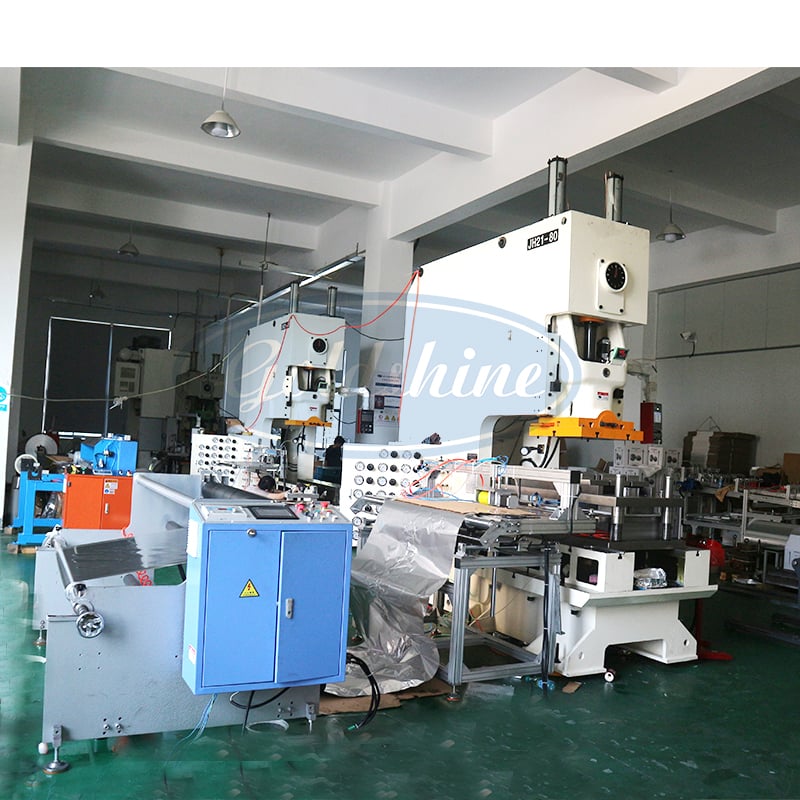
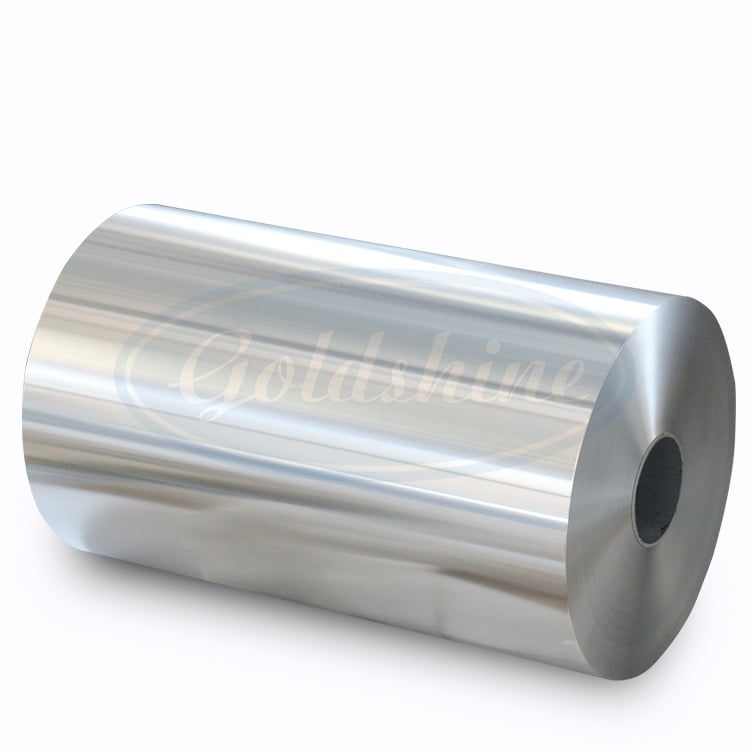
Zhangjiagang Goldshine Aluminum Foil Co., Ltd was established in 2010 and has over 14 years of experience in household aluminum foil production. With a land area exceeding 10,000 square meters, the company boasts a seasoned team in sales, production, quality inspection, research and development, and after-sales service, forming an integrated collaborative system. Our main products include aluminum foil rolls, aluminum foil sheets, aluminum foil containers, baking paper, cling film, aluminum foil rewinding machines, aluminum foil container making machines, aluminum foil packaging machines, and various other diversified products.
Aluminum foil itself is non-toxic and odorless, and complies with strict food safety and pharmaceutical packaging standards. When it comes into direct contact with various kinds of food and pharmaceuticals, it will not release harmful substances, thus providing a safe and reliable packaging environment for the products. Whether in the process of high-temperature sterilization or during long-term storage, aluminum foil can adhere to the safety bottom line and become an important safeguard for protecting consumers' health.
Aluminum foil has an extremely strong barrier ability against oxygen, water vapor, light rays and so on. In terms of food packaging, it can effectively prevent food from oxidizing, deteriorating, getting damp, and losing nutritional components or changing in flavor due to the influence of light.Aluminum foil can conduct heat rapidly and is widely used in cooking utensils. For example, aluminum foil paper used in baking can make food heated evenly, speed up the cooking process, and at the same time, it can also prevent food from getting burnt and sticking to the baking pan, which makes cleaning convenient.
When sourcing Goldshine aluminum food containers, several cost factors can influence your overall budget:
Materials and Production Costs: The cost of aluminum fluctuates based on market conditions. Understanding current pricing trends can help you negotiate better terms with suppliers.
Customization: Customized containers often come with higher costs due to additional tooling and design considerations. Clearly define your needs and seek quotes from multiple suppliers to ensure competitive pricing.
Minimum Order Quantities (MOQ): Many manufacturers have MOQs that can significantly impact your initial investment. Discuss these requirements upfront to avoid unexpected costs.
Shipping and Handling: Factor in shipping costs, which can vary based on order size and destination. Working with suppliers that have established logistics can help minimize these expenses.
Quality vs. Price Trade-offs: While lower-priced containers may seem appealing, they may not meet your quality standards. Evaluate the cost-effectiveness of investing in higher-quality products that offer better performance and durability.
By understanding these cost factors, buyers can make informed decisions that balance quality and budget effectively.
Copyright © Zhangjiagang Goldshine Aluminium Foil Co., Ltd. All Rights Reserved