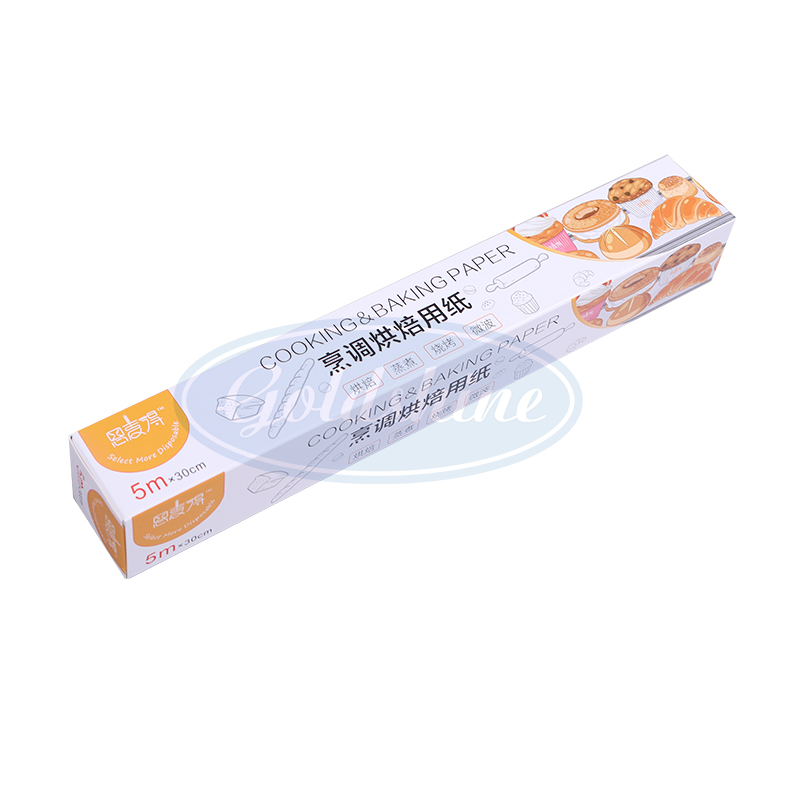
Non-stick oven paper is an essential tool in commercial kitchens, offering a practical solution for baking and food preparation while ensuring easy cleanup. As a purchasing manager or buyer, your main concerns likely revolve around product quality, reliability, and suitability for your specific applications. This article will guide you through what to look for when selecting non-stick oven paper for bulk orders, key specifications to consider, its applications in commercial baking, common issues you might encounter, and best practices for installation in kitchens.
When sourcing non-stick oven paper for bulk orders, several factors should be considered to ensure you select the right product for your needs. First, evaluate the paper's non-stick properties, which are crucial for preventing food from adhering to the surface during baking. Look for papers treated with silicone or other non-stick coatings that allow for easy release of baked goods.
Next, consider the paper's heat resistance. High-quality non-stick oven paper should withstand temperatures typically found in commercial ovens, often up to 220°C (428°F). This is essential to prevent degradation during baking processes.
Additionally, inquire about the paper's compatibility with various food items. Some cooking paper for oven may perform better with fatty or sugary products, while others may be better suited for general baking tasks. Always check for certifications, such as SGS or BSCI, to ensure the product meets safety and quality standards.
Lastly, consider your specific needs regarding order volume and lead time. A reputable supplier can provide information on their production capacity and minimum order quantities (MOQ), ensuring your business can maintain continuity in operations.
Understanding key specifications is vital when selecting non-stick oven paper. Here are critical factors to evaluate:
Material Composition: Non-stick oven paper is typically made from virgin pulp or recycled paper, often coated with silicone. The choice between these materials affects not just performance but also sustainability and cost.
Thickness: The thickness of the paper can influence its durability and performance. Thicker baking paper for oven are generally more robust and less prone to tearing, making them ideal for heavier food items.
Dimensions: Ensure the paper comes in sizes compatible with your baking trays or pans. Custom sizes may be available from manufacturers like Zhangjiagang Goldshine Aluminum Foil Co., Ltd, allowing for greater flexibility in your operations.
Temperature Tolerance: As mentioned earlier, the ability to withstand high temperatures is crucial. Verify the temperature ratings provided by the manufacturer and consider any specific baking requirements you may have.
Packaging and Storage: Pay attention to how the paper is packaged for shipping. Proper packaging helps prevent damage during transit and ensures that the product remains in optimal condition upon arrival.
These specifications will help you assess the quality and suitability of non-stick oven paper for your commercial kitchen needs.
Non-stick oven paper serves various applications in commercial baking, enhancing efficiency and ensuring quality. In bakeries, it is commonly used for lining baking trays, which allows for easy removal of items such as cookies, pastries, and bread without the mess of sticking.
In addition, non-stick oven paper can be utilized for wrapping baked goods, preserving freshness and preventing contamination during storage or transport. It also aids in separating layers of baked items, which is particularly useful when dealing with delicate pastries or layered cakes.
Beyond baking, this versatile paper can be used in food preservation, helping to maintain the quality of ingredients by reducing exposure to moisture and air. This is especially beneficial in high-volume kitchens where food safety and quality are paramount.
While non-stick oven paper is designed for optimal performance, users may encounter several common issues:
Paper Tearing: This can occur if the paper is too thin or if it’s subjected to excessive handling. Opting for a thicker variant can mitigate this problem.
Sticking: If food items are sticking to the paper, it might indicate inadequate non-stick coating. Always verify the manufacturer’s specifications and consider testing samples before bulk ordering.
Burning or Charring: This often happens when the paper exceeds its temperature tolerance. Ensure your chosen paper can withstand the temperatures you typically use.
Moisture Absorption: Some papers may absorb moisture, leading to sogginess. Choosing high-quality non-stick options designed for moisture resistance can help combat this.
Inconsistent Quality: Variations in production can lead to inconsistencies. Working with a reputable supplier that adheres to strict quality control processes, like Zhangjiagang Goldshine, will help ensure uniformity across batches.
Having a clear understanding of these potential issues allows for proactive measures to be put in place, enhancing overall operational efficiency.
Aluminum foil itself is non-toxic and odorless, and complies with strict food safety and pharmaceutical packaging standards. When it comes into direct contact with various kinds of food and pharmaceuticals, it will not release harmful substances, thus providing a safe and reliable packaging environment for the products. Whether in the process of high-temperature sterilization or during long-term storage, aluminum foil can adhere to the safety bottom line and become an important safeguard for protecting consumers' health.
Aluminum foil has an extremely strong barrier ability against oxygen, water vapor, light rays and so on. In terms of food packaging, it can effectively prevent food from oxidizing, deteriorating, getting damp, and losing nutritional components or changing in flavor due to the influence of light.Aluminum foil can conduct heat rapidly and is widely used in cooking utensils. For example, aluminum foil paper used in baking can make food heated evenly, speed up the cooking process, and at the same time, it can also prevent food from getting burnt and sticking to the baking pan, which makes cleaning convenient.
Goldshine company has established an efficient response mechanism to ensure that customers can quickly get attention when they encounter problems. Customers can contact our after-sales team at any time through multiple channels, such as telephone, email, online customer service platform and so on. Once we receive customer feedback, we promise to make an initial response within one hour, understand the general situation of the problem, and inform the customers of the action steps we are about to take.
Zhangjiagang Goldshine Aluminum Foil Co., Ltd was established in 2010 and has over 14 years of experience in household aluminum foil production. With a land area exceeding 10,000 square meters, the company boasts a seasoned team in sales, production, quality inspection, research and development, and after-sales service, forming an integrated collaborative system. Our main products include aluminum foil rolls, aluminum foil sheets, aluminum foil containers, baking paper, cling film, aluminum foil rewinding machines, aluminum foil container making machines, aluminum foil packaging machines, and various other diversified products.
Correct installation of non-stick oven paper is crucial to maximize its effectiveness and ensure optimal results. Here’s a step-by-step guide:
Preparation: Before use, ensure that your baking trays or pans are clean and dry. This will help the baking paper oven adhere better and function more effectively.
Cutting to Size: If your non-stick paper isn’t pre-cut, measure and cut it to fit your baking trays perfectly. This reduces the risk of the paper hanging over the edges, which can lead to burning.
Placement: Lay the non-stick paper flat in the baking tray, smoothing out any wrinkles or bubbles. Wrinkles can cause uneven cooking or sticking.
Testing: Before relying on the paper for large batches, conduct a small test run with your intended food items. This will help assess its performance and identify any adjustments needed for your specific applications.
Disposal and Cleanup: After baking, allow the paper to cool before removing it. Dispose of it properly, and consider recycling options if available, aligning with sustainability practices.
By following these guidelines, kitchens can improve their efficiency and achieve consistent results in their baking processes.
By understanding the intricacies of non-stick oven paper, including what to look for in bulk orders, key specifications, applications, potential issues, and proper installation techniques, you are better equipped to make informed purchasing decisions that will enhance your commercial baking operations.
Copyright © Zhangjiagang Goldshine Aluminium Foil Co., Ltd. All Rights Reserved