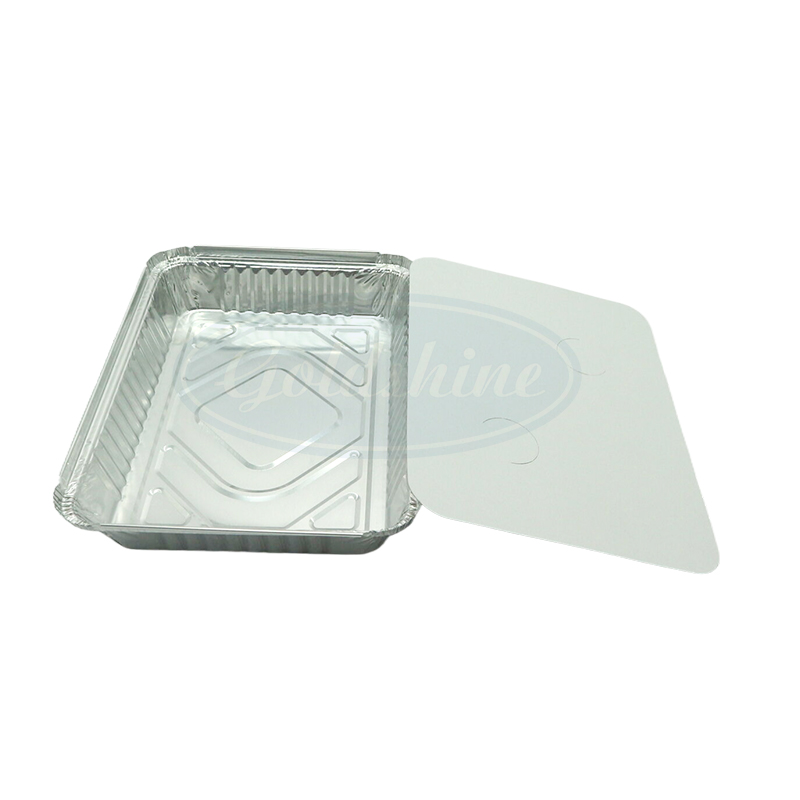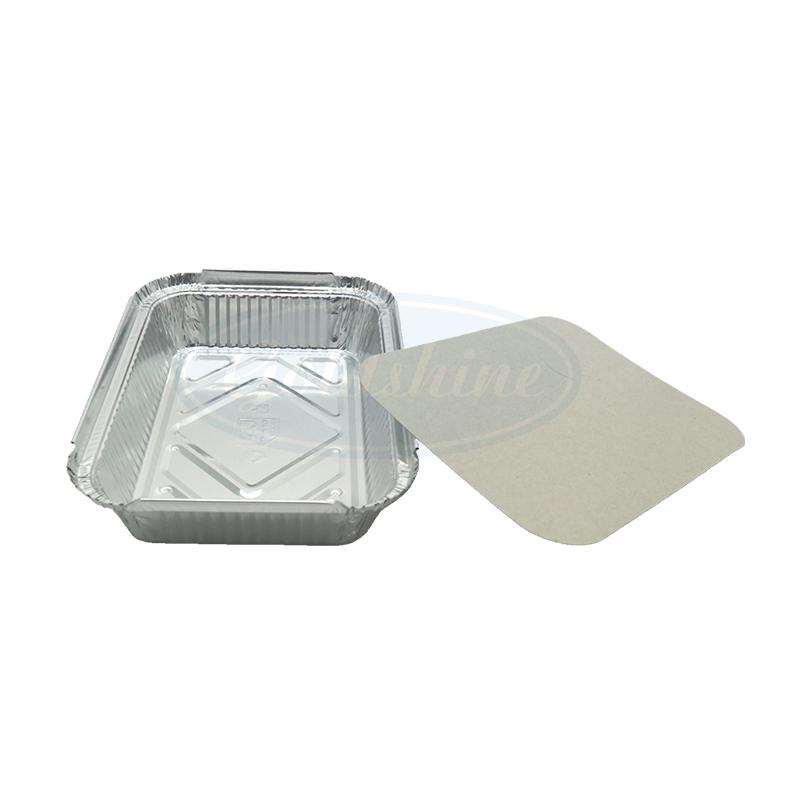
Disposable aluminum containers offer a practical packaging solution for a variety of food service applications, combining convenience with durability. For businesses looking to procure these products, understanding key selection criteria is essential. This article will explore important considerations for choosing disposable aluminum containers, focusing on aspects that matter most to purchasing managers and distributors in the food industry.
When selecting disposable aluminum containers for wholesale, several factors should be taken into account to ensure they meet your business needs and customer expectations.
Material Quality: The aluminum used in these containers should comply with food safety standards. Look for containers made from food-grade aluminum, which ensures they are safe for direct food contact and resistant to corrosion.
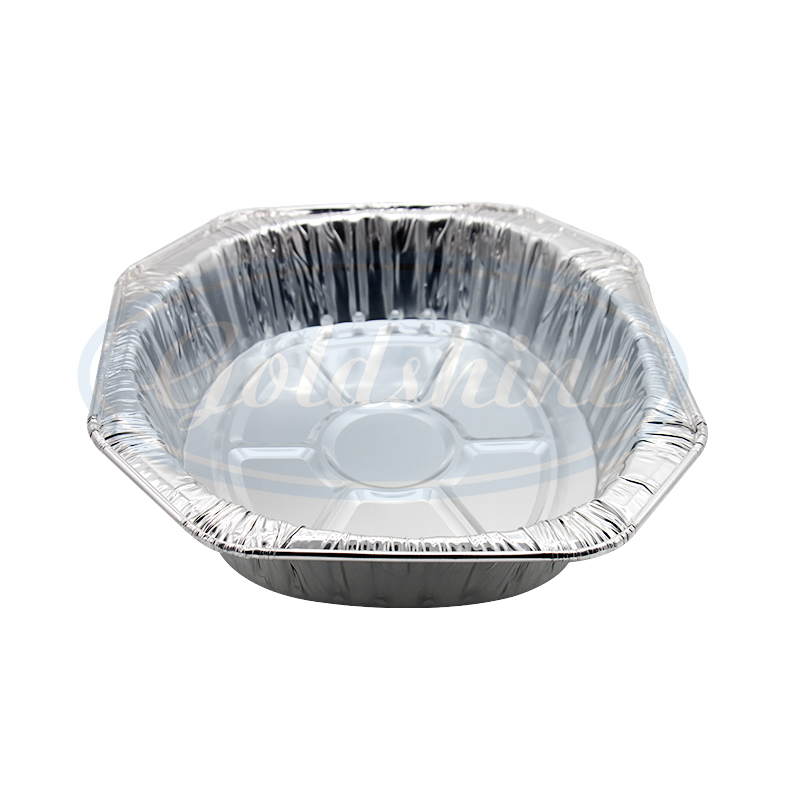
Container Specifications: Dimensions, thickness, and design are crucial. The right size should accommodate your food portions while maintaining structural integrity during transport and serving. Thicker containers offer better durability, especially for heavier or hot food items.
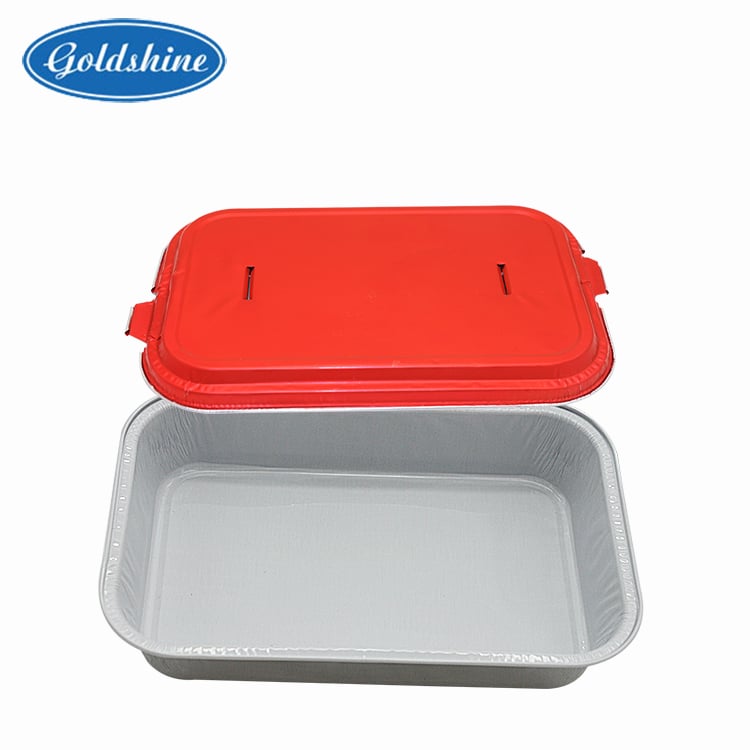
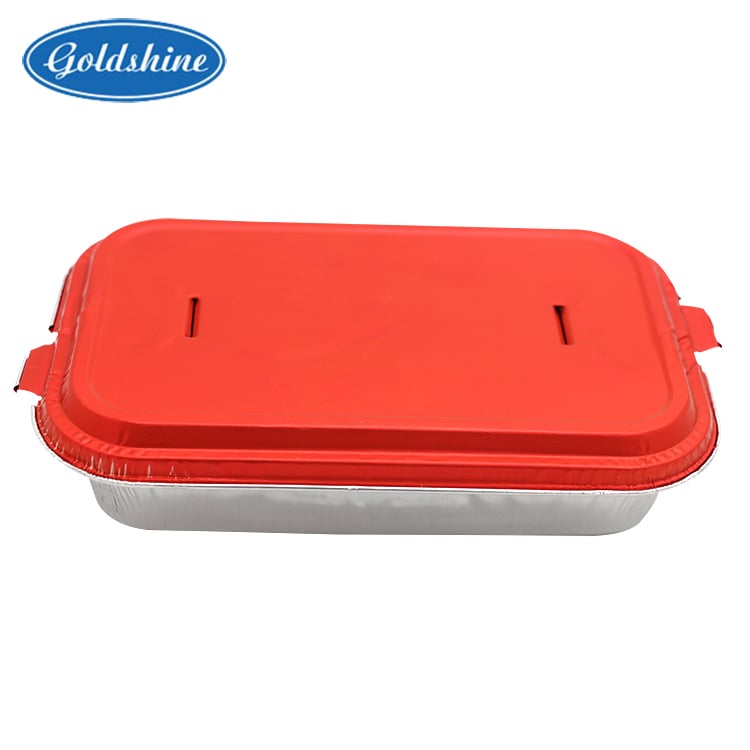
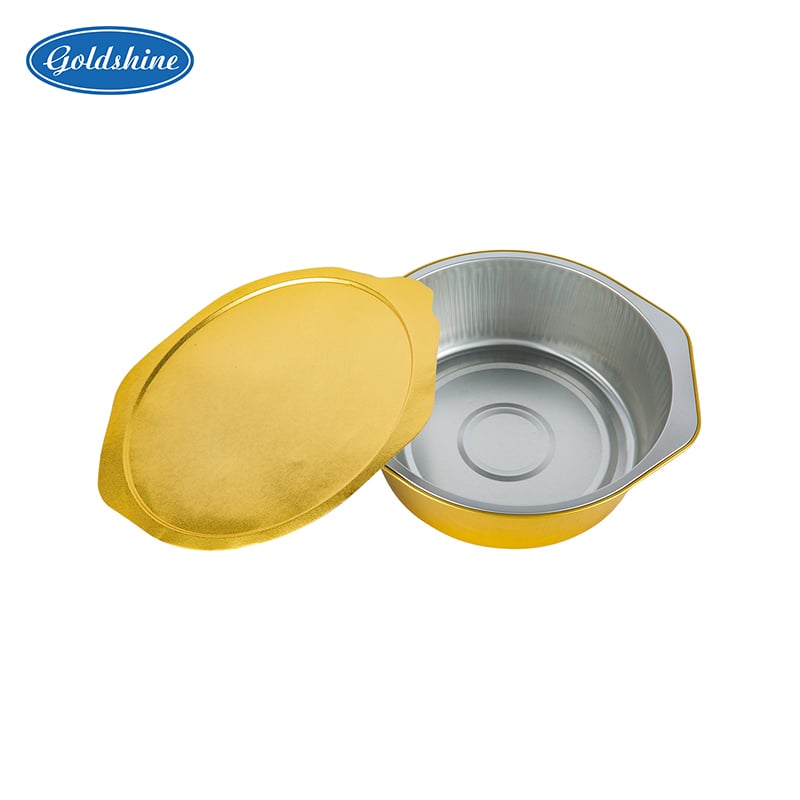
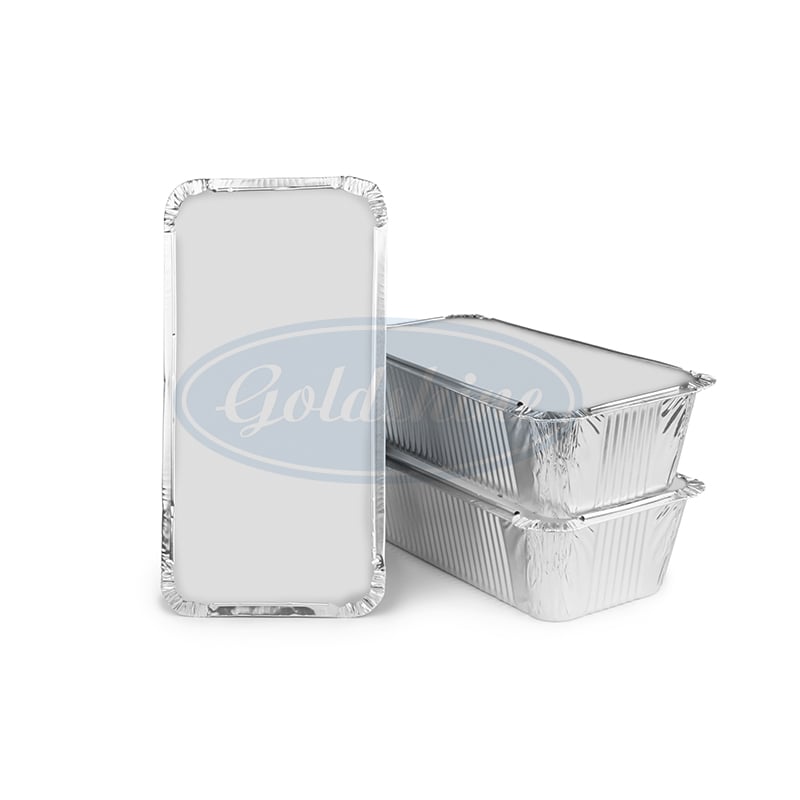
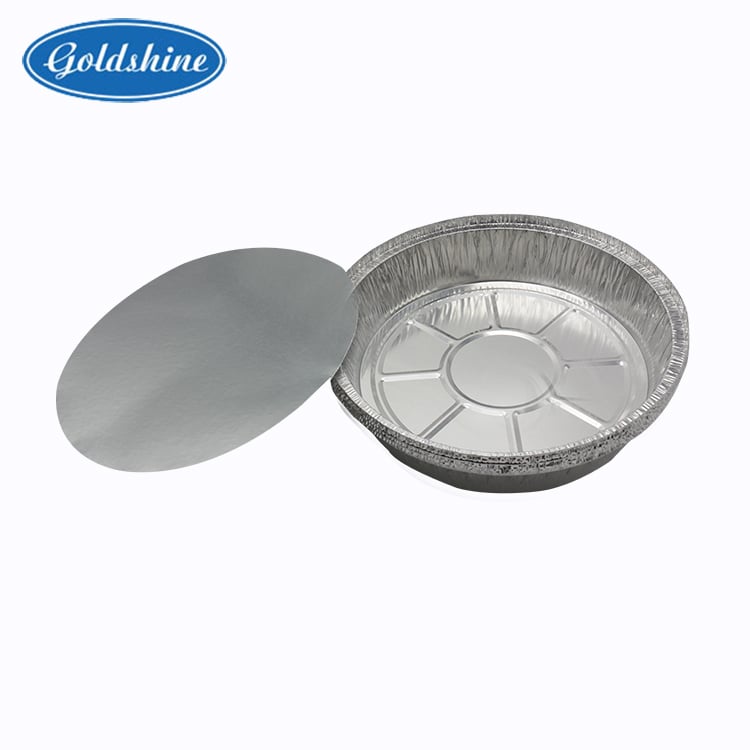
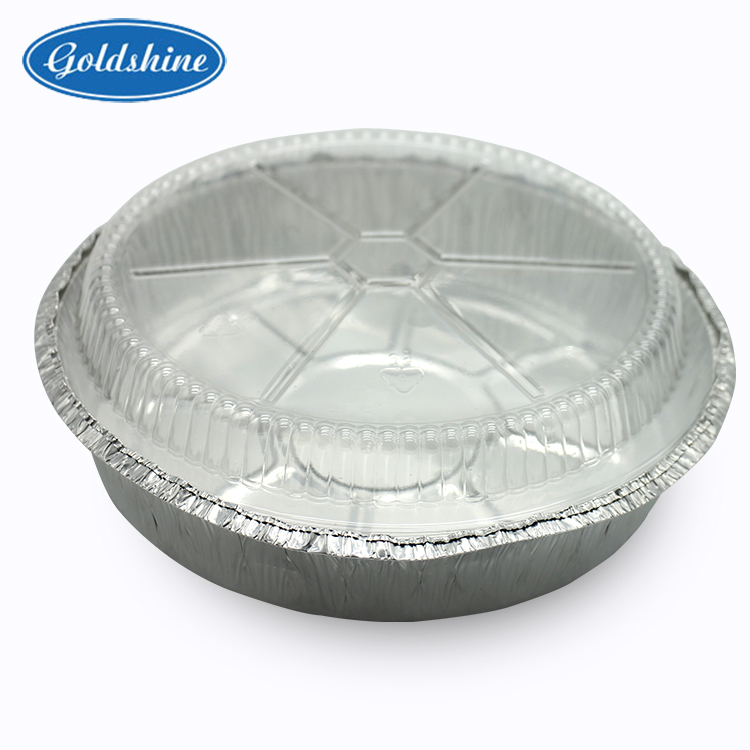
Sealing and Lid Options: Consider whether the containers will be used with lids for storage or transport. Lids should fit securely to prevent spillage and contamination. Some containers offer tamper-proof options that can enhance food safety.
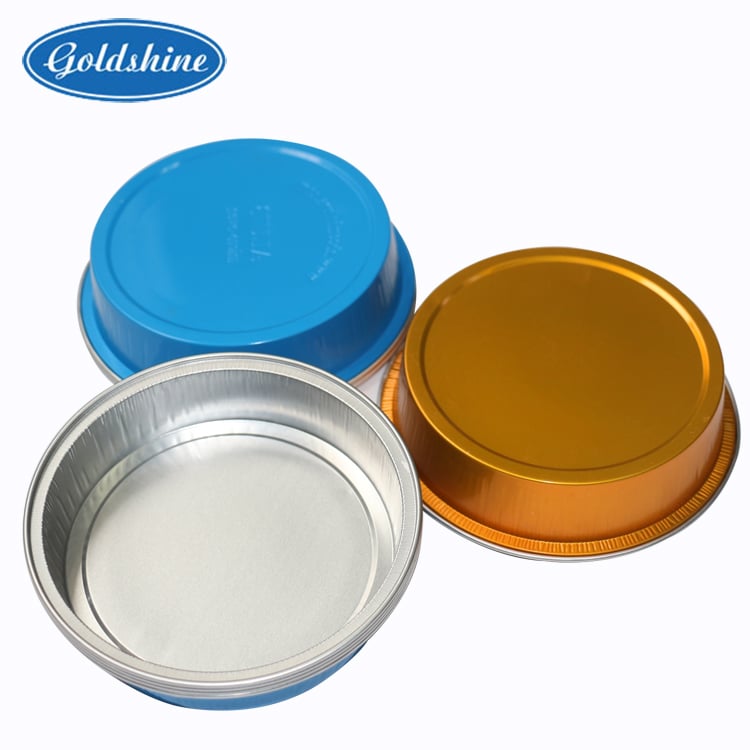
Sustainability: With a growing focus on environmental responsibility, choosing round aluminum containers with lids that are recyclable can meet sustainability goals. Check if the manufacturer participates in eco-friendly practices or offers recyclable products.
Customization: Many manufacturers, including Zhangjiagang Goldshine Aluminum Foil Co., Ltd, provide customization options, such as printing your logo or specific dimensions. This can enhance brand visibility and meet unique packaging requirements.
Distributors play a vital role in the supply chain for disposable aluminum containers. Understanding their specific needs can enhance supplier relationships and improve service delivery.
Bulk Pricing and Minimum Order Quantities (MOQ): Distributors often look for competitive pricing structures. Understanding the MOQ will help in forecasting inventory needs and managing cash flow.
Lead Times: Timely delivery is essential for maintaining stock levels. Inquire about production lead times and shipping schedules to ensure that your orders can be fulfilled promptly.
Quality Assurance Processes: As a distributor, verifying the manufacturer's quality control processes is crucial. Ensure that products are tested for compliance with safety and durability standards. Certifications such as SGS or BSCI can serve as indicators of quality.
Product Variations: Familiarize yourself with the range of products offered, including different shapes, sizes, and designs of aluminum containers. This allows distributors to cater to diverse customer preferences and food types.
Market Reach: Understanding where the manufacturer exports can help you identify growth opportunities in your own distribution channels. For instance, Zhangjiagang Goldshine Aluminum Foil Co., Ltd exports to various global regions, highlighting its capability to serve diverse markets.
Using disposable aluminum containers effectively involves understanding their intended applications and handling requirements.
Pre-Use Inspection: Before use, inspect containers for any signs of damage or defects. This can prevent food safety issues and ensure that the containers maintain their structural integrity during use.
Correct Usage: Follow manufacturer guidelines on temperature limits. While aluminum containers are suitable for hot and cold items, exceeding temperature limits can compromise their strength and safety.
Transport and Storage: Ensure that containers are stored in a cool, dry place to avoid exposure to moisture and contaminants. Proper handling during transport is also essential; stacking should be done carefully to prevent crushing.
Disposal and Recycling: Educate staff on the proper disposal of used containers. Recycling processes can vary; confirming local recycling capabilities can enhance sustainability efforts.
Disposable aluminum containers serve a wide range of applications in the food service industry, making them a versatile choice for various businesses.
Catering Services: Their durability makes them ideal for catering events, where food needs to be transported and served in bulk. Containers can be used for everything from appetizers to main courses, ensuring that food remains hot during transport.
Meal Prep and Takeout: Restaurants offering takeout or meal preparation services can benefit from the convenience of disposable aluminum containers. They are effective for portion control and easy to stack for efficient storage.
Baking Applications: Aluminum is an excellent conductor of heat, making these containers optimal for baking and roasting. They can withstand high temperatures, ensuring even cooking and browning of baked goods.
Food Preservation: For food preservation, aluminum containers provide an excellent barrier against moisture and oxygen, helping to extend shelf life. They are suitable for storing leftovers or pre-prepared meals in both commercial and home settings.
Zhangjiagang Goldshine Aluminum Foil Co., Ltd was established in 2010 and has over 14 years of experience in household aluminum foil production. With a land area exceeding 10,000 square meters, the company boasts a seasoned team in sales, production, quality inspection, research and development, and after-sales service, forming an integrated collaborative system. Our main products include aluminum foil rolls, aluminum foil sheets, aluminum foil containers, baking paper, cling film, aluminum foil rewinding machines, aluminum foil container making machines, aluminum foil packaging machines, and various other diversified products.
Goldshine company has established an efficient response mechanism to ensure that customers can quickly get attention when they encounter problems. Customers can contact our after-sales team at any time through multiple channels, such as telephone, email, online customer service platform and so on. Once we receive customer feedback, we promise to make an initial response within one hour, understand the general situation of the problem, and inform the customers of the action steps we are about to take.
Aluminum foil itself is non-toxic and odorless, and complies with strict food safety and pharmaceutical packaging standards. When it comes into direct contact with various kinds of food and pharmaceuticals, it will not release harmful substances, thus providing a safe and reliable packaging environment for the products. Whether in the process of high-temperature sterilization or during long-term storage, aluminum foil can adhere to the safety bottom line and become an important safeguard for protecting consumers' health.
Aluminum foil has an extremely strong barrier ability against oxygen, water vapor, light rays and so on. In terms of food packaging, it can effectively prevent food from oxidizing, deteriorating, getting damp, and losing nutritional components or changing in flavor due to the influence of light.Aluminum foil can conduct heat rapidly and is widely used in cooking utensils. For example, aluminum foil paper used in baking can make food heated evenly, speed up the cooking process, and at the same time, it can also prevent food from getting burnt and sticking to the baking pan, which makes cleaning convenient.
The choice of aluminum as a material for Goldshine disposable containers comes with several advantages that enhance their suitability for food service applications.
Durability: Aluminum's lightweight yet strong composition allows for robust containers that can hold a variety of food types without breaking or bending. This is particularly important for heavy dishes or when stacking containers.
Thermal Conductivity: Aluminum containers distribute heat evenly, which is crucial for cooking and baking applications. This property helps in achieving consistent cooking results, reducing the risk of burnt edges or uneven cooking.
Recyclability: Aluminum is highly recyclable, making it an eco-friendly option compared to plastic containers. This aspect aligns with increasing consumer demand for sustainable packaging solutions.
Non-Reactive Properties: Aluminum is non-reactive, meaning it does not alter the taste or quality of the food stored within. This property is particularly beneficial for acidic foods, which can react with other materials.
Cost-Effectiveness: While initial costs may vary, the durability and recyclability of aluminum containers for food can lead to lower long-term expenses, especially for businesses that prioritize waste reduction and efficient food storage.
By understanding these factors, B2B buyers can make informed decisions when sourcing disposable aluminum containers, ensuring that they meet both operational needs and customer expectations.
Copyright © Zhangjiagang Goldshine Aluminium Foil Co., Ltd. All Rights Reserved