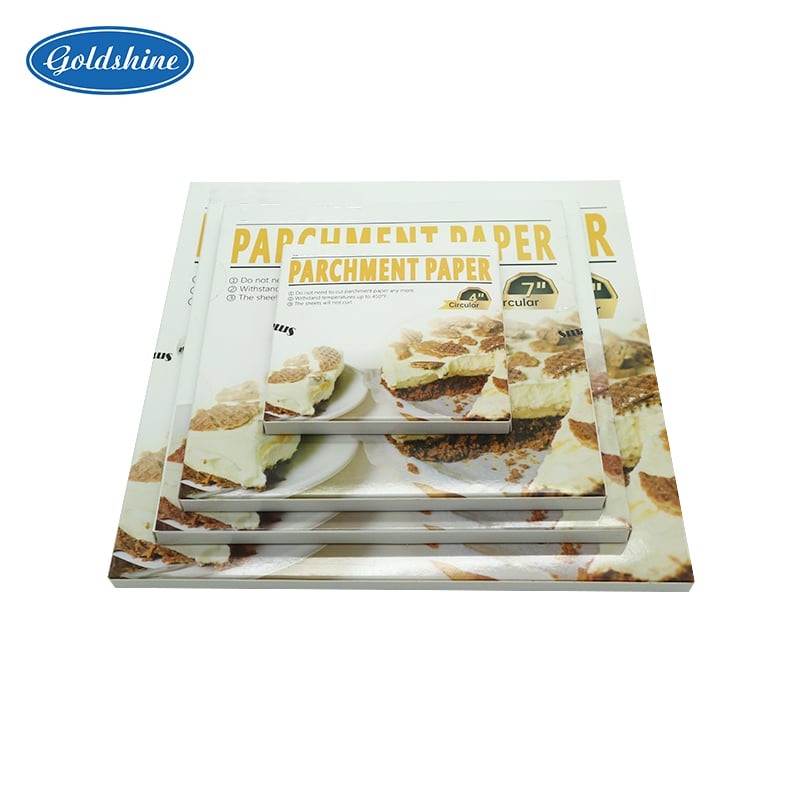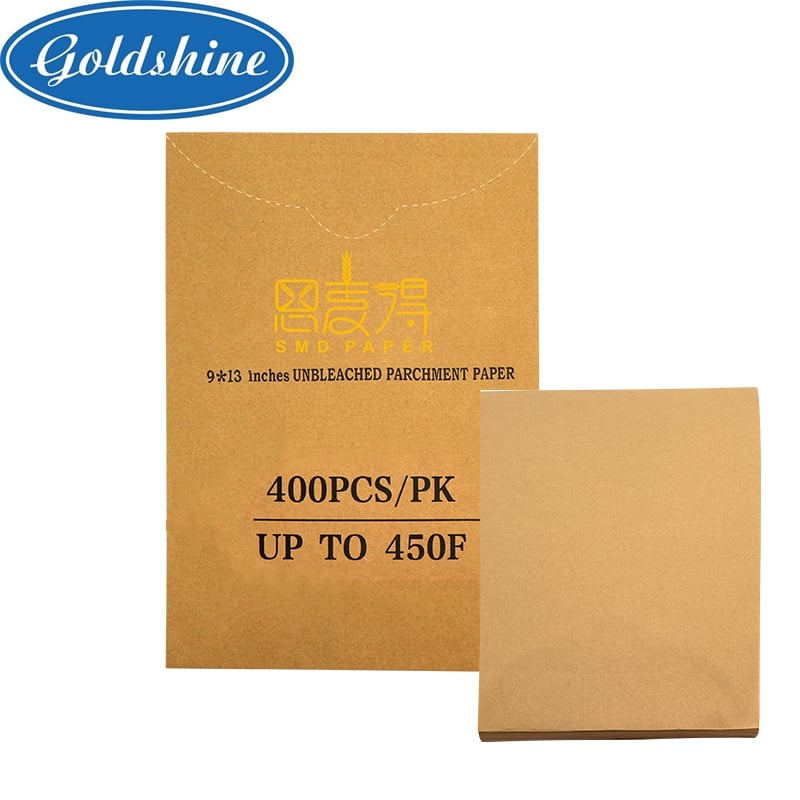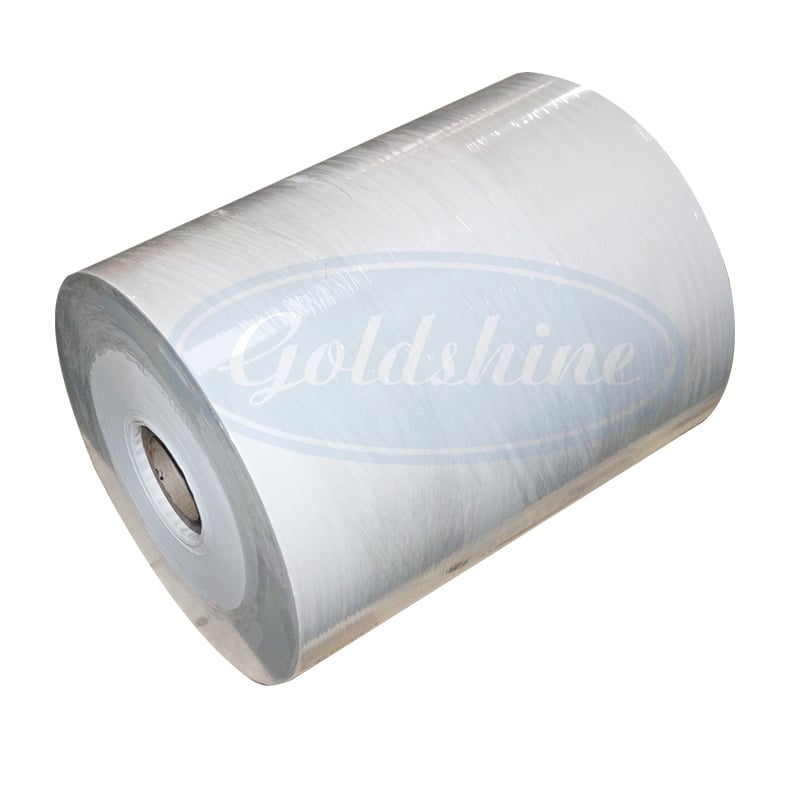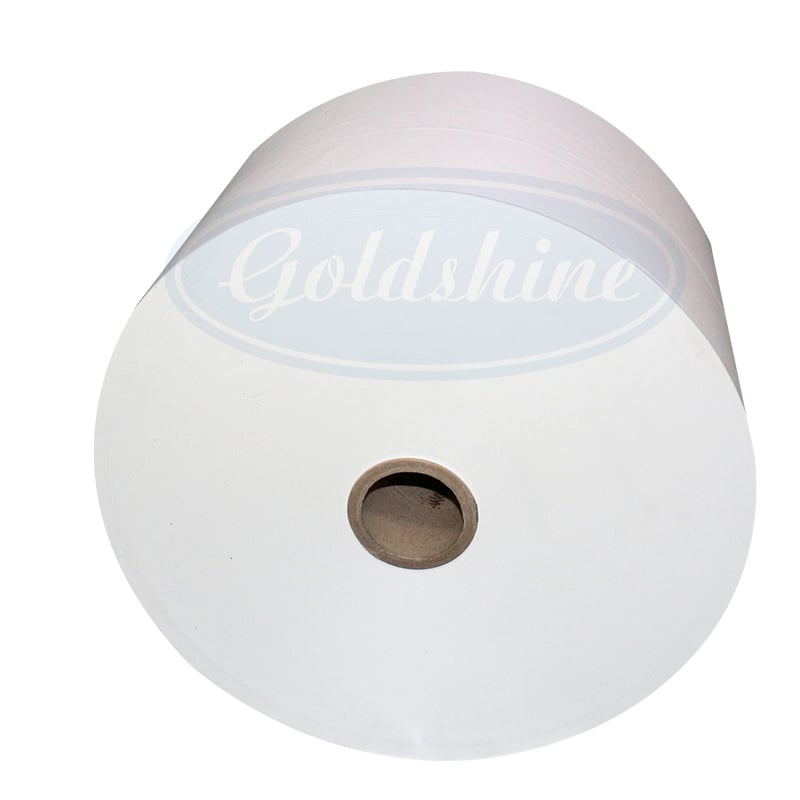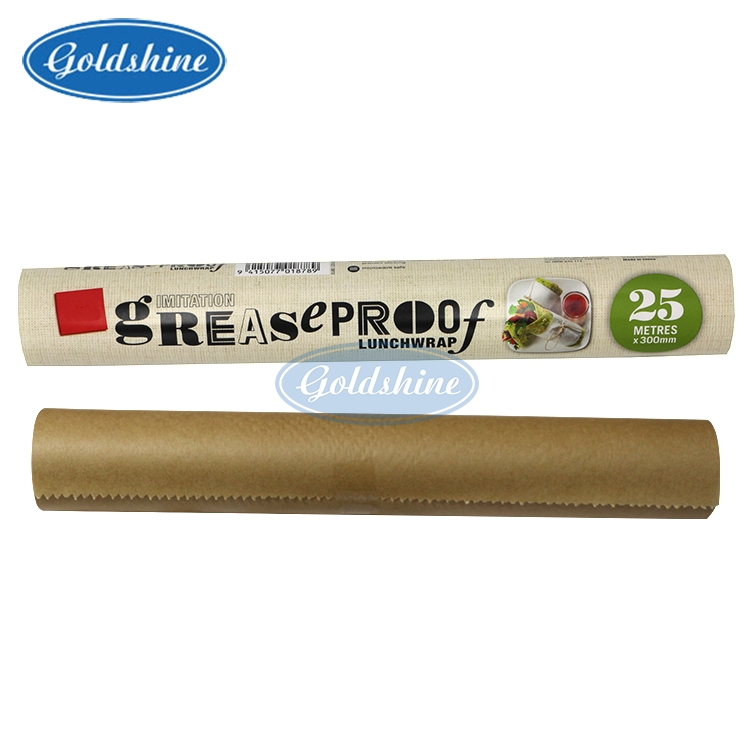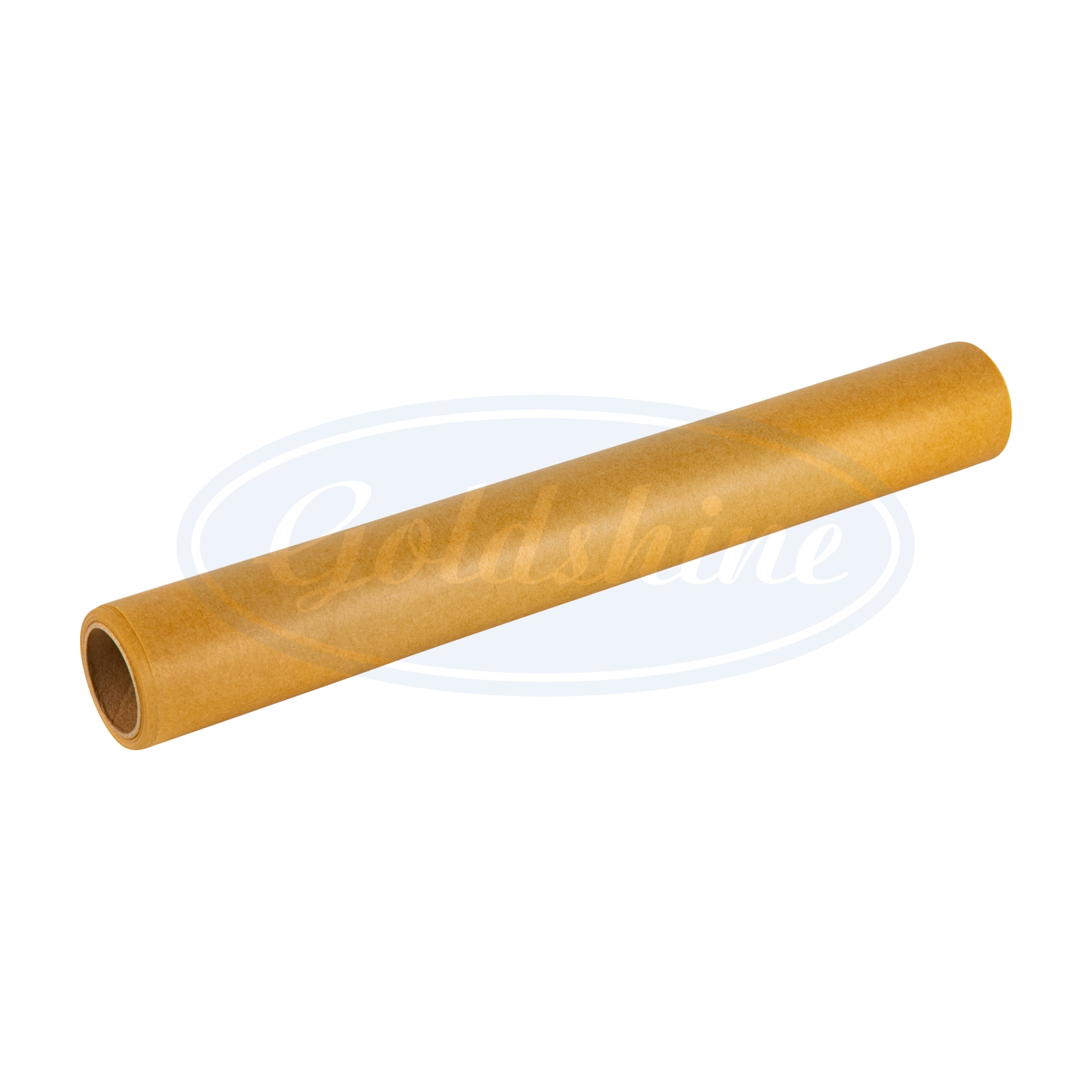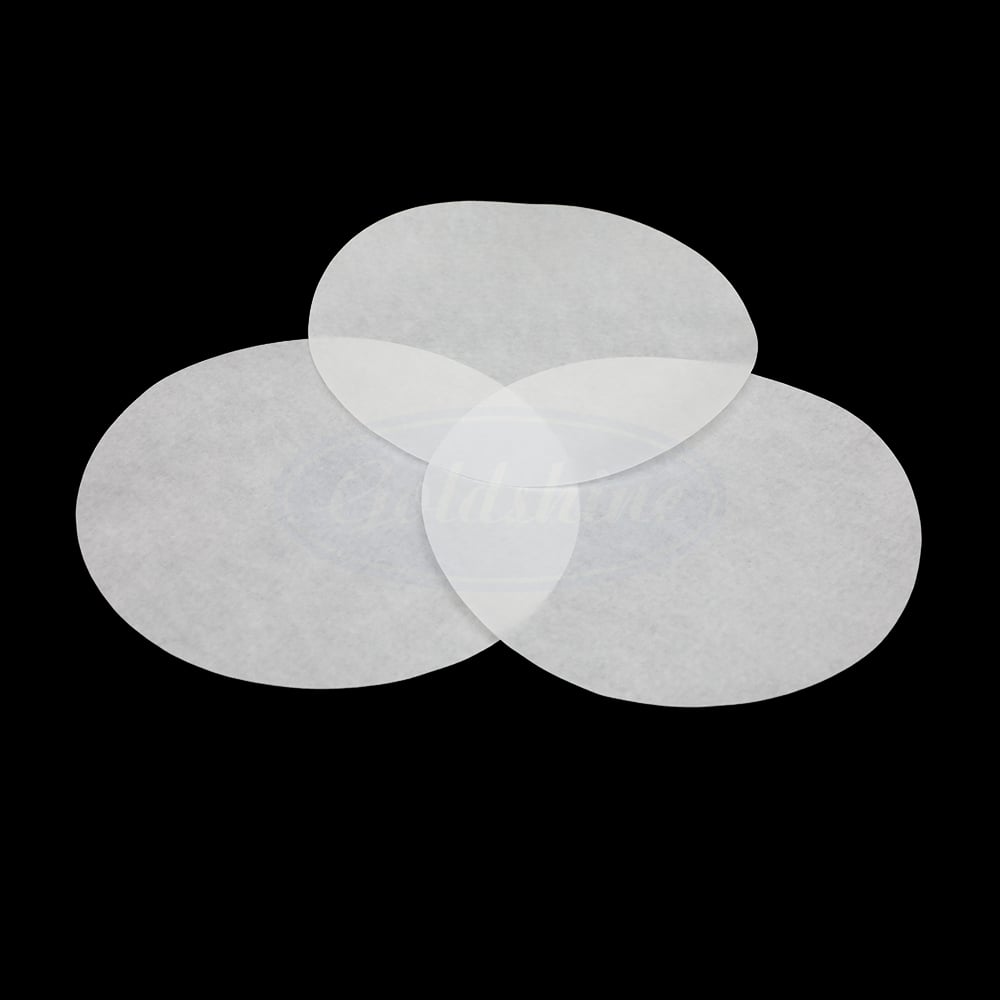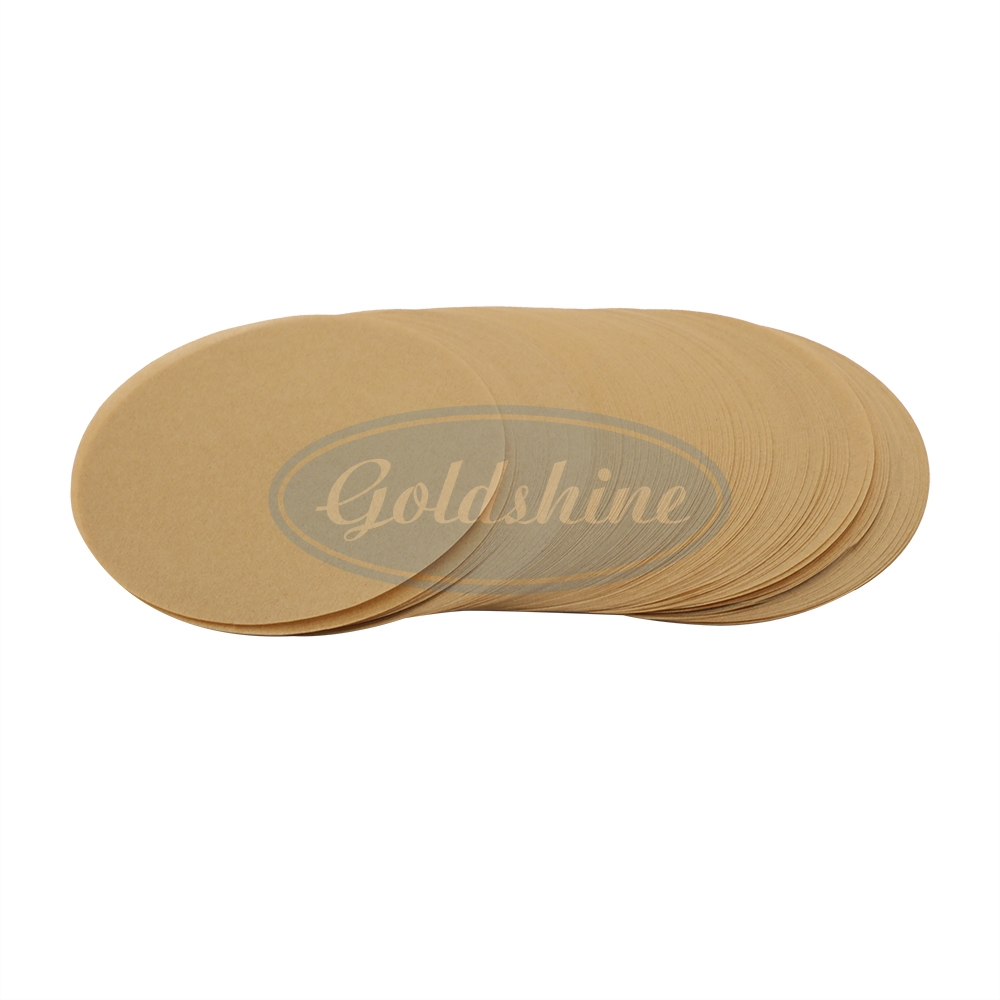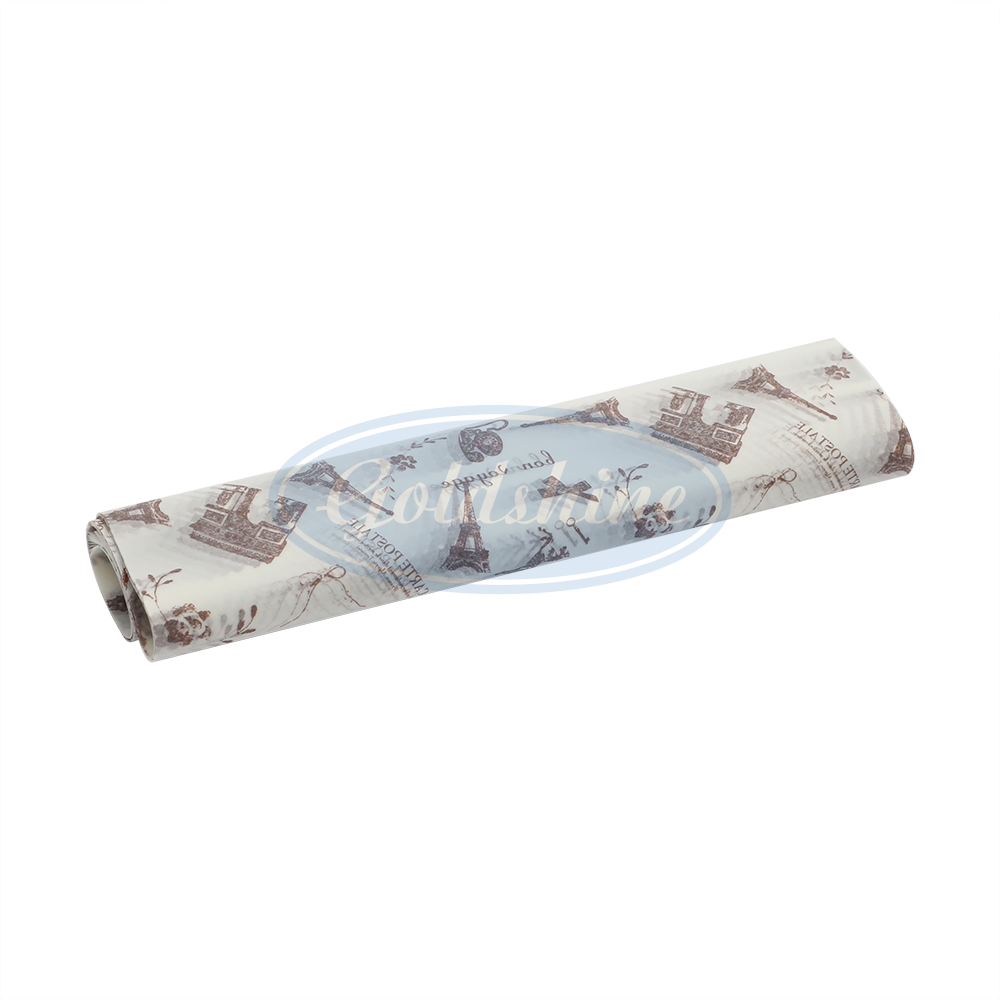
Greaseproof wrapping paper is an essential material for food packaging, particularly in the food service and culinary industries. This specialized paper acts as a barrier to grease and moisture, ensuring that food retains its quality while being transported or stored. For B2B buyers, key concerns include the paper's durability, suitability for various food types, and compliance with safety regulations. This article will provide insights into pricing, technical specifications, best applications, installation guidance, and cost factors, helping buyers make informed purchasing decisions.
When evaluating greaseproof wrapping paper, pricing can vary significantly based on several factors. Bulk purchasing typically offers cost savings, but the price per unit can be influenced by material quality, thickness, and any customization requirements. For example, higher-quality papers designed for heavy-duty applications may come at a premium. Additionally, incorporating features such as compost ability or food-safe certifications can also increase costs. Buyers should consider their specific needs and anticipated usage volume to determine the best pricing strategy.
Understanding the technical specifications of greaseproof paper is crucial for selecting the right product for your application. Key specifications include: Material Composition: Most greaseproof papers are made from a combination of cellulose and waxes or coatings that enhance their barrier properties against grease and moisture. Thickness: The thickness of the paper can impact its durability and effectiveness. A thicker paper may provide better protection but could also affect handling and folding capabilities. Dimensions: Common sizes range from sheets to rolls, depending on the intended use. Buyers should ensure that dimensions align with their packaging processes. Coating and Treatments: Some greaseproof papers are treated with additional coatings to enhance their resistance to moisture and grease. It’s essential to verify that any coatings used are food-safe. Buyers should assess these specifications based on their intended applications, ensuring the chosen product meets industry standards and regulatory requirements.
Greaseproof wrapping paper is versatile, with numerous applications within the food industry. Its primary uses include: Food Service: Ideal for wrapping sandwiches, burgers, and fried foods, greaseproof paper prevents grease from seeping through, maintaining food quality and hygiene. Baking: Used in bakeries, this paper serves as a liner for baking trays, ensuring easy release of baked goods while preventing grease stains. Takeaway Packaging: For restaurants offering takeaway options, greaseproof wrapping paper is an excellent choice for packaging both hot and cold foods, as it can withstand temperature variations without compromising integrity. Catering: In catering settings, it assists in presenting food attractively while ensuring that grease and moisture do not affect the overall appearance. Understanding these applications can help buyers select the right type of greaseproof wrapping paper suitable for their specific food packaging needs.
Using paper greaseproof effectively involves several key considerations to ensure optimal performance: Preparation: Ensure all surfaces are clean before using the wrapping paper to prevent contamination. If using as a baking liner, preheat the oven to the desired temperature before placing the paper. Handling: When wrapping food items, avoid excessive tearing or folding, as this can compromise the paper’s barrier properties. Use appropriate sizes to minimize waste. Sealing: If the paper is used for wrapping, ensure that the edges are properly sealed to prevent moisture loss and maintain food freshness. Adhesive options or heat sealing methods can be employed based on the application. Storage: Store greaseproof paper in a cool, dry place to maintain its integrity before use. Exposure to moisture can lead to degradation of the paper's properties. By following these installation guidelines, users can maximize the effectiveness and longevity of greaseproof wrapping paper.
Aluminum foil itself is non-toxic and odorless, and complies with strict food safety and pharmaceutical packaging standards. When it comes into direct contact with various kinds of food and pharmaceuticals, it will not release harmful substances, thus providing a safe and reliable packaging environment for the products. Whether in the process of high-temperature sterilization or during long-term storage, aluminum foil can adhere to the safety bottom line and become an important safeguard for protecting consumers' health.
Goldshine company has established an efficient response mechanism to ensure that customers can quickly get attention when they encounter problems. Customers can contact our after-sales team at any time through multiple channels, such as telephone, email, online customer service platform and so on. Once we receive customer feedback, we promise to make an initial response within one hour, understand the general situation of the problem, and inform the customers of the action steps we are about to take.
Zhangjiagang Goldshine Aluminum Foil Co., Ltd was established in 2010 and has over 14 years of experience in household aluminum foil production. With a land area exceeding 10,000 square meters, the company boasts a seasoned team in sales, production, quality inspection, research and development, and after-sales service, forming an integrated collaborative system. Our main products include aluminum foil rolls, aluminum foil sheets, aluminum foil containers, baking paper, cling film, aluminum foil rewinding machines, aluminum foil container making machines, aluminum foil packaging machines, and various other diversified products.
Aluminum foil has an extremely strong barrier ability against oxygen, water vapor, light rays and so on. In terms of food packaging, it can effectively prevent food from oxidizing, deteriorating, getting damp, and losing nutritional components or changing in flavor due to the influence of light.Aluminum foil can conduct heat rapidly and is widely used in cooking utensils. For example, aluminum foil paper used in baking can make food heated evenly, speed up the cooking process, and at the same time, it can also prevent food from getting burnt and sticking to the baking pan, which makes cleaning convenient.
When considering bulk purchases of greaseproof baking paper, several cost factors should be taken into account: Minimum Order Quantity (MOQ): Suppliers often set MOQs, which can influence the overall cost. Buyers should assess whether they can meet these requirements without over committing to stock. Shipping and Handling: Bulk orders may incur higher shipping costs, especially if the products are heavy or require special handling. It's important to factor these costs into the overall budget. Customization: If the order requires custom sizes, prints, or branding, this can add to the overall cost. Buyers should clearly communicate their needs to receive accurate quotes. Supplier Reliability: Building a relationship with a reputable supplier can lead to better pricing and terms over time. Assessing a supplier's reliability can save costs related to quality issues or delays. By understanding these cost factors, buyers can better navigate their purchasing process and optimize their supply chain for greaseproof wrapping paper. In summary, greaseproof wrapping paper is an invaluable resource in the food sector, with specific considerations for pricing, technical specifications, applications, usage, and cost factors that can significantly impact purchasing decisions. By focusing on these elements, B2B buyers can enhance food quality and presentation while ensuring compliance with industry standards.
Copyright © Zhangjiagang Goldshine Aluminium Foil Co., Ltd. All Rights Reserved